Ethnography of Silence(s)
PAST EVENTS


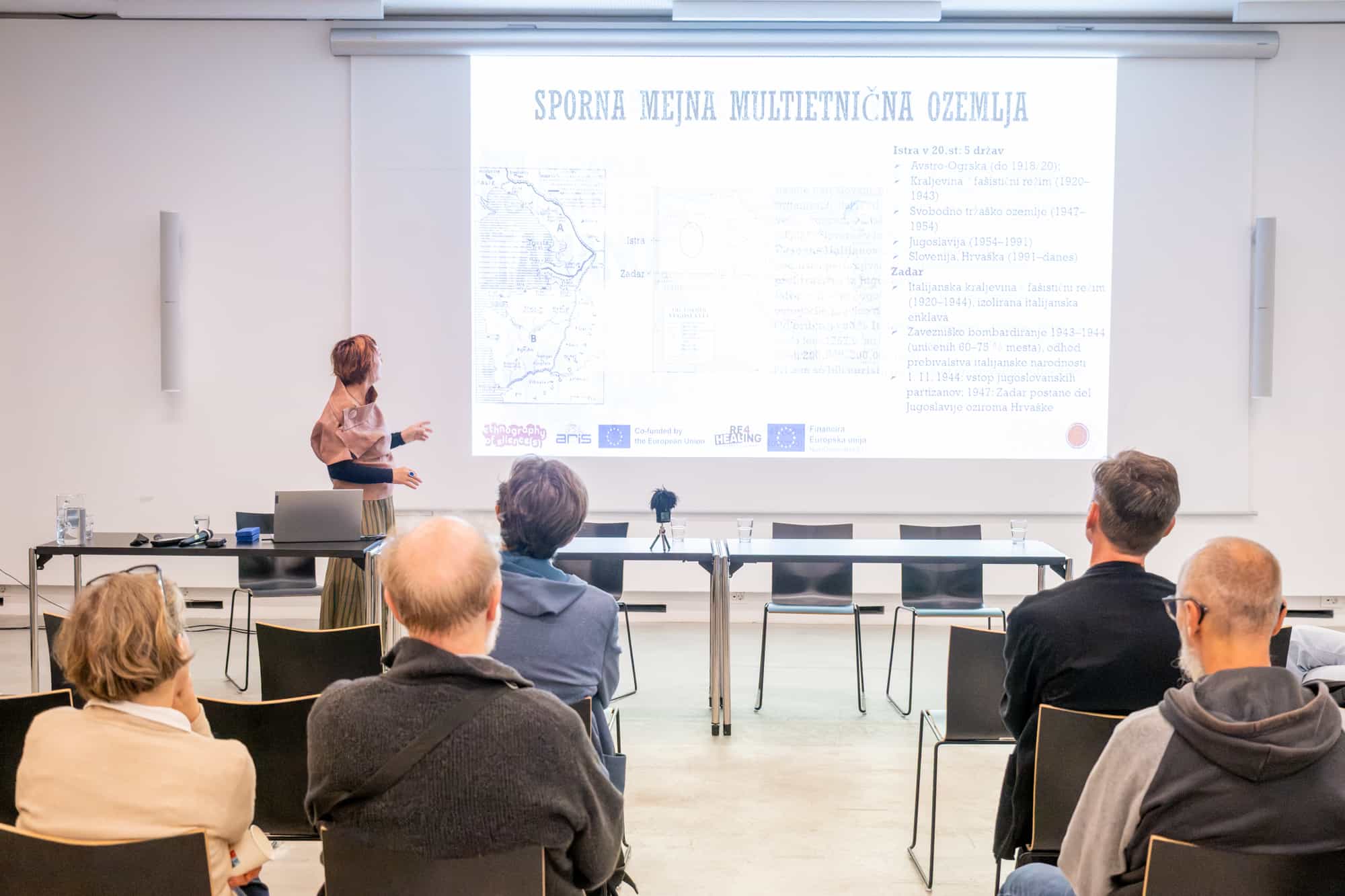
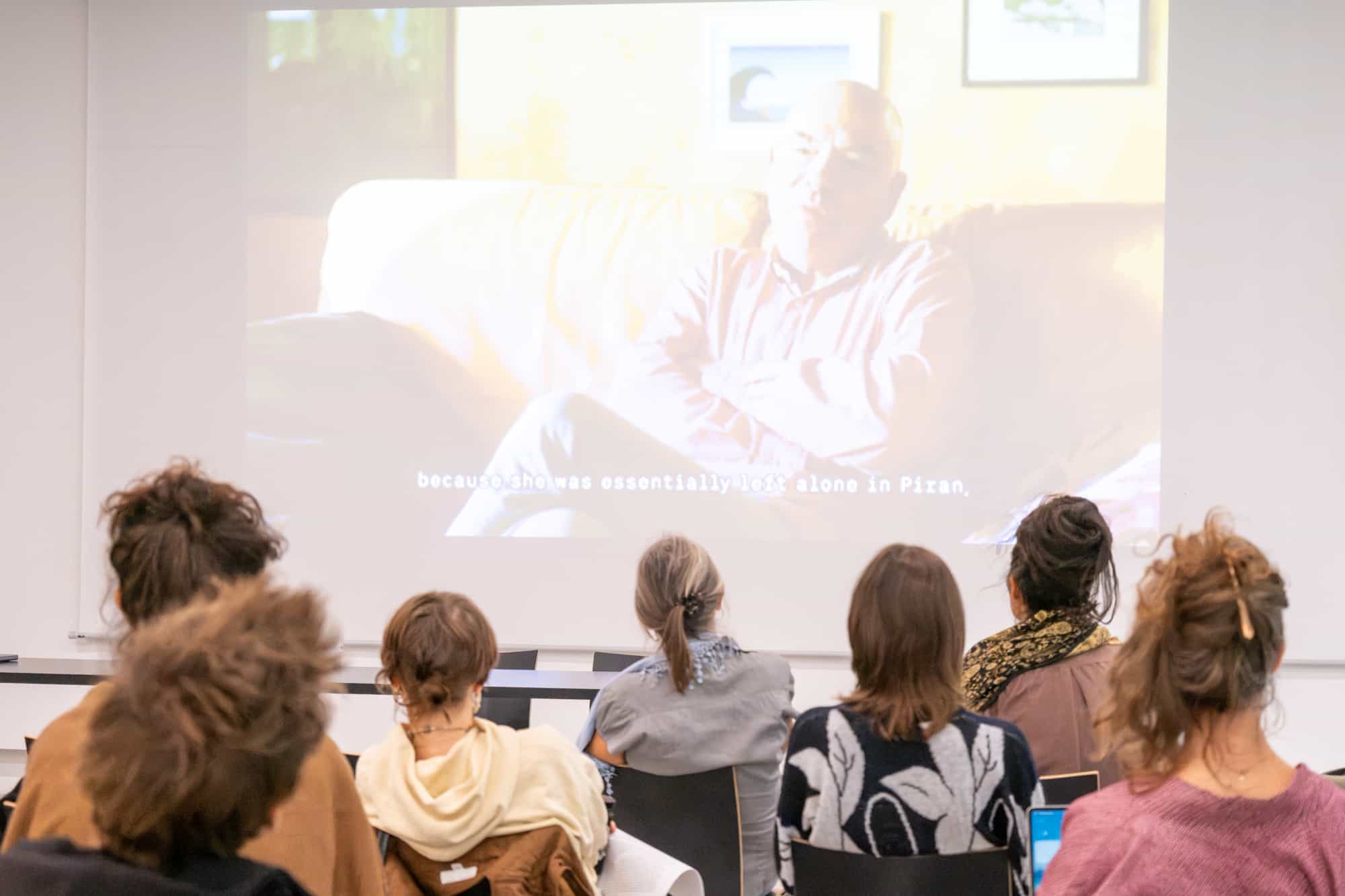
The lecturer will reflect on the reasons and meanings of silence within the ARIS project Ethnography of Silence(s) – on the example of ethnographic research of the Istrian exodus, the national “hero“ and beliefs. In this research, silence is considered a consequence of socio-political power relations, or to be more precise, the relationship between the memories of dominant and marginalized social groups. Silence occurs when memory cannot rely on collective memory, because this is censored due to a different view of the past. Another key cause of silence is connected to the Freudian ideas of repression, in which traumatic memories are buried in our subconscious in order to protect ourselves from reliving the pain from the past. Silence can also arise from tense social relations, violence, fear, the conflict between the winners and losers of war, it can become a survival strategy. Silence does not necessarily mean the absence of speech or voice; it can be embodied in the practices of the individual and the “unspoken“ can be conveyed through generations. Like memory, the “conspiracy of silence“ can connect people and become the foundation of collective identities. In the realm of beliefs, silence can also be a consequence of resisting the authority of the researcher, the collision of different worlds, the deliberate preservation of individual or collective secrets, and distrust. In ethnographic research, silence is shaped by the researcher’s position towards the interlocutor. At the end we will reflect on how ethnographic research, which contextualizes and articulates silence, can influence the opening or healing of individual and social wounds.

Matej Tomažin
The lecturer will reflect on the reasons and meanings of silence within the ARIS project Ethnography of Silence(s) – on the example of ethnographic research of the Istrian exodus, the national “hero“ and beliefs. In this research, silence is considered a consequence of socio-political power relations, or to be more precise, the relationship between the memories of dominant and marginalized social groups. Silence occurs when memory cannot rely on collective memory, because this is censored due to a different view of the past. Another key cause of silence is connected to the Freudian ideas of repression, in which traumatic memories are buried in our subconscious in order to protect ourselves from reliving the pain from the past. Silence can also arise from tense social relations, violence, fear, the conflict between the winners and losers of war, it can become a survival strategy. Silence does not necessarily mean the absence of speech or voice; it can be embodied in the practices of the individual and the “unspoken“ can be conveyed through generations. Like memory, the “conspiracy of silence“ can connect people and become the foundation of collective identities. In the realm of beliefs, silence can also be a consequence of resisting the authority of the researcher, the collision of different worlds, the deliberate preservation of individual or collective secrets, and distrust. In ethnographic research, silence is shaped by the researcher’s position towards the interlocutor. At the end we will reflect on how ethnographic research, which contextualizes and articulates silence, can influence the opening or healing of individual and social wounds.
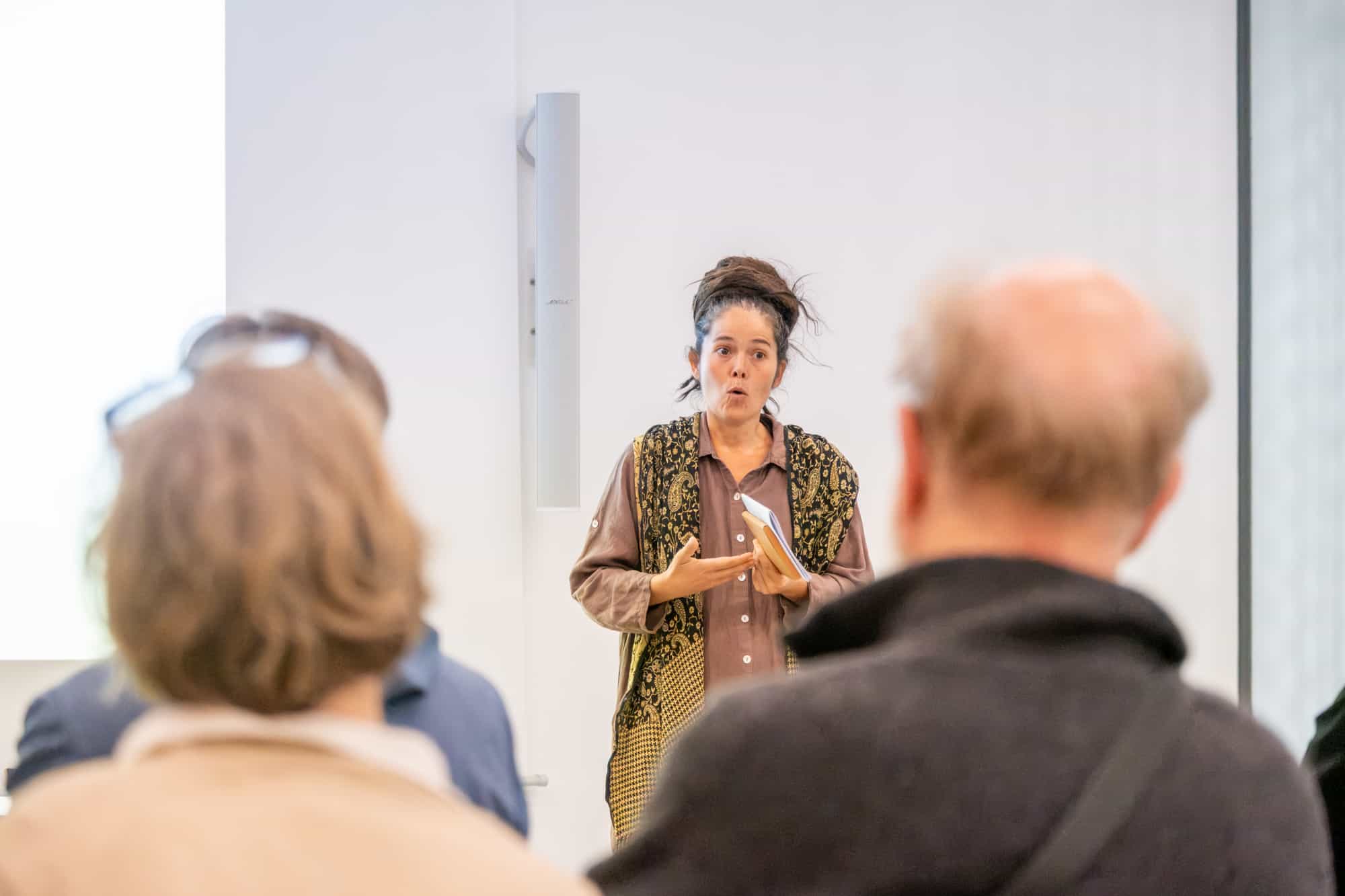
Works at the Department of Anthropology and Cultural Studies, Faculty of Humanities, University of Primorska in Koper/Capodistria. Her multiple award-winning book In the Silence of Memory: “Exodus“ and Istria has been reprinted and translated into Italian and English. She is currently leading two projects: Ethnography of Silence(s), RE 4 Healing: Crossborder Remembrance, Reconnection, Restoring and Resilience (European Commission, Citizens, Equality, Rights and Values Programme (CERV)) and the ARIS programme group Heritage as an Object and Reflection of Social Processes.
Photo: Author’s archive
ACCESSIBILITY
Performance language: Slovenian