Walking-with the Saltworks
PAST EVENTS
 25 Sep 2025
 bus
bus Free
FreeThe essay focuses on exploring specific elements of salt-making practices in the Sečovlje Saltpans. This landscape, shaped by centuries of salt production, represents an ecosystem of coexistence between humans, more-than-human beings and elemental forces. In recent decades, salt-making activity has significantly declined, leading to irreversible changes in the landscape.
The presentation examines salt-making at the intersection of environmental anthropology, eco-ethnography, eco-phenomenology and the ethics of listening, fields in which both walking and listening function as relational practices and research methods.
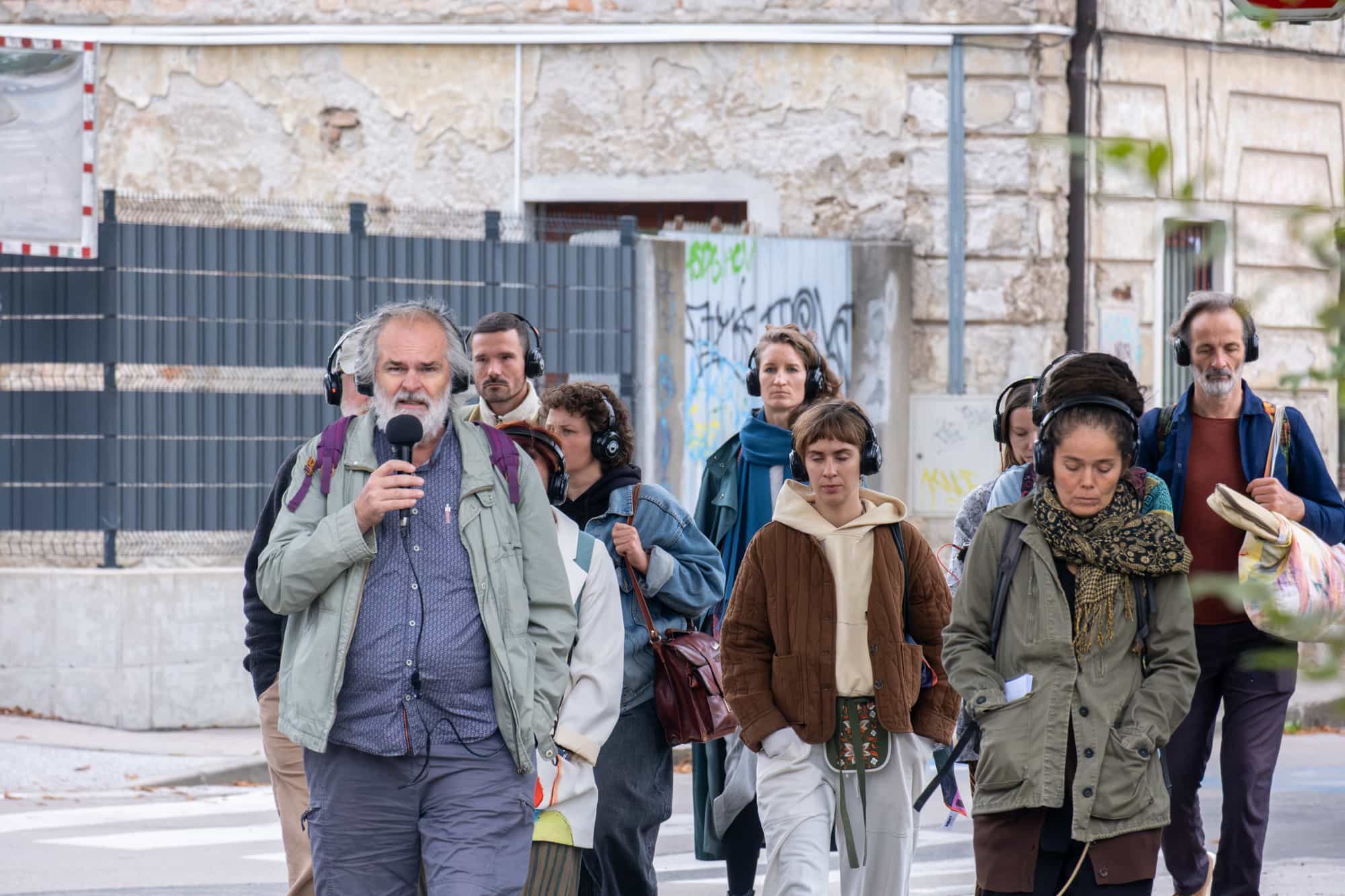
Through embodied practices of listening-with and walking-with, the project seeks to imagine how the four elements, water, fire, air and earth, resonate as they crystallise into salt.


Matej Tomažin
The essay focuses on exploring specific elements of salt-making practices in the Sečovlje Saltpans. This landscape, shaped by centuries of salt production, represents an ecosystem of coexistence between humans, more-than-human beings and elemental forces. In recent decades, salt-making activity has significantly declined, leading to irreversible changes in the landscape.
The presentation examines salt-making at the intersection of environmental anthropology, eco-ethnography, eco-phenomenology and the ethics of listening, fields in which both walking and listening function as relational practices and research methods.
Through embodied practices of listening-with and walking-with, the project seeks to imagine how the four elements, water, fire, air and earth, resonate as they crystallise into salt.
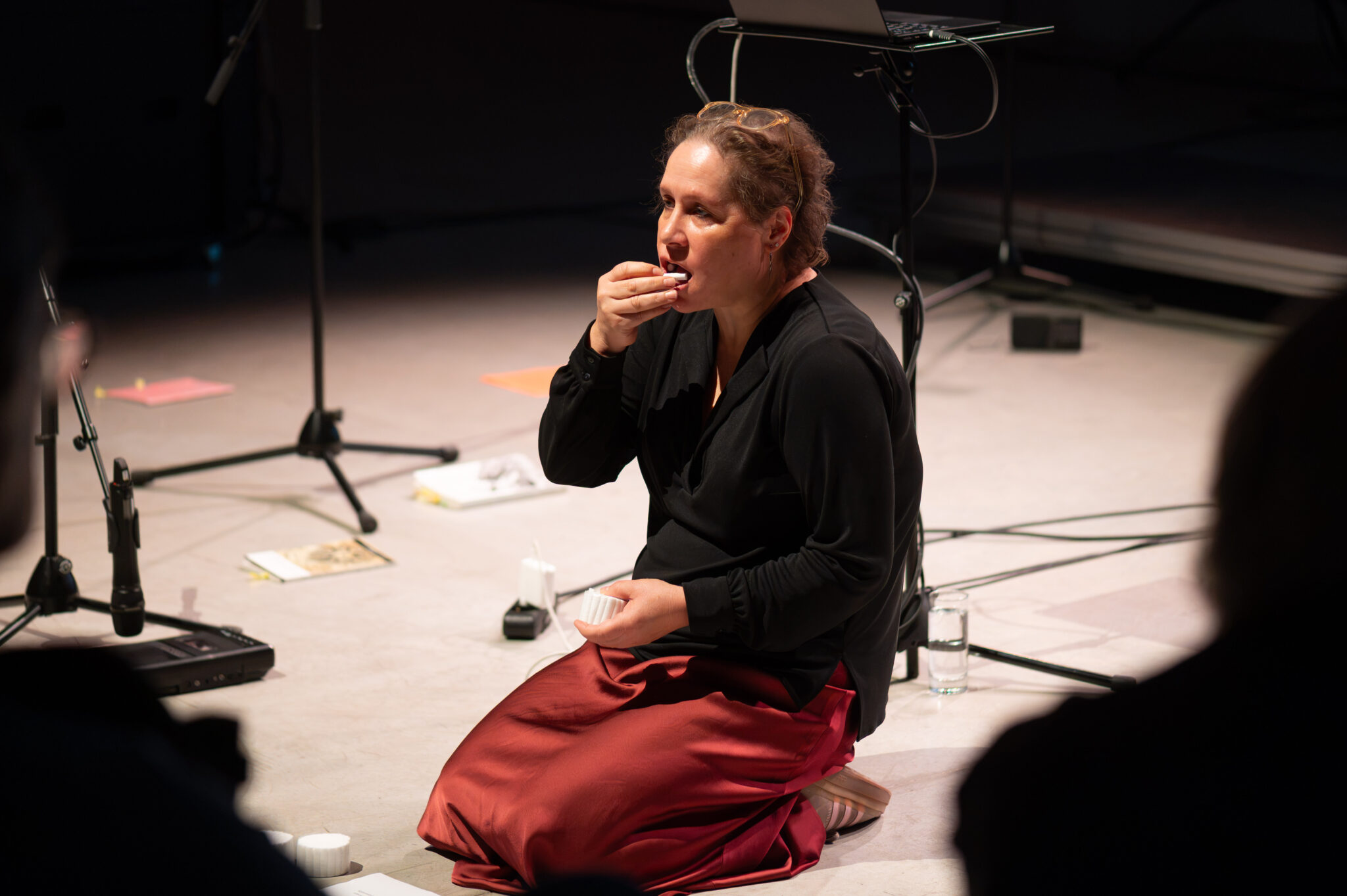
A research fellow at the Institute for Philosophical and Religious Studies at the Science and Research Centre Koper. Her research focuses on the ethics of listening and the study of salt-making practices within environmental posthumanist frameworks.
Photo: Matej Tomažin
The research and presentation of the essay are outcomes of the research project “A Grain of Salt, Crystallising Coexistence” (J6-50196) and the research programme “Borderlands” (P6-0279), funded by the Slovenian Research and Innovation Agency (ARIS).