Sounding in Silence: Non-verbal Sound Games in the Rhythm of Opposites and Contradictions
PAST EVENTS


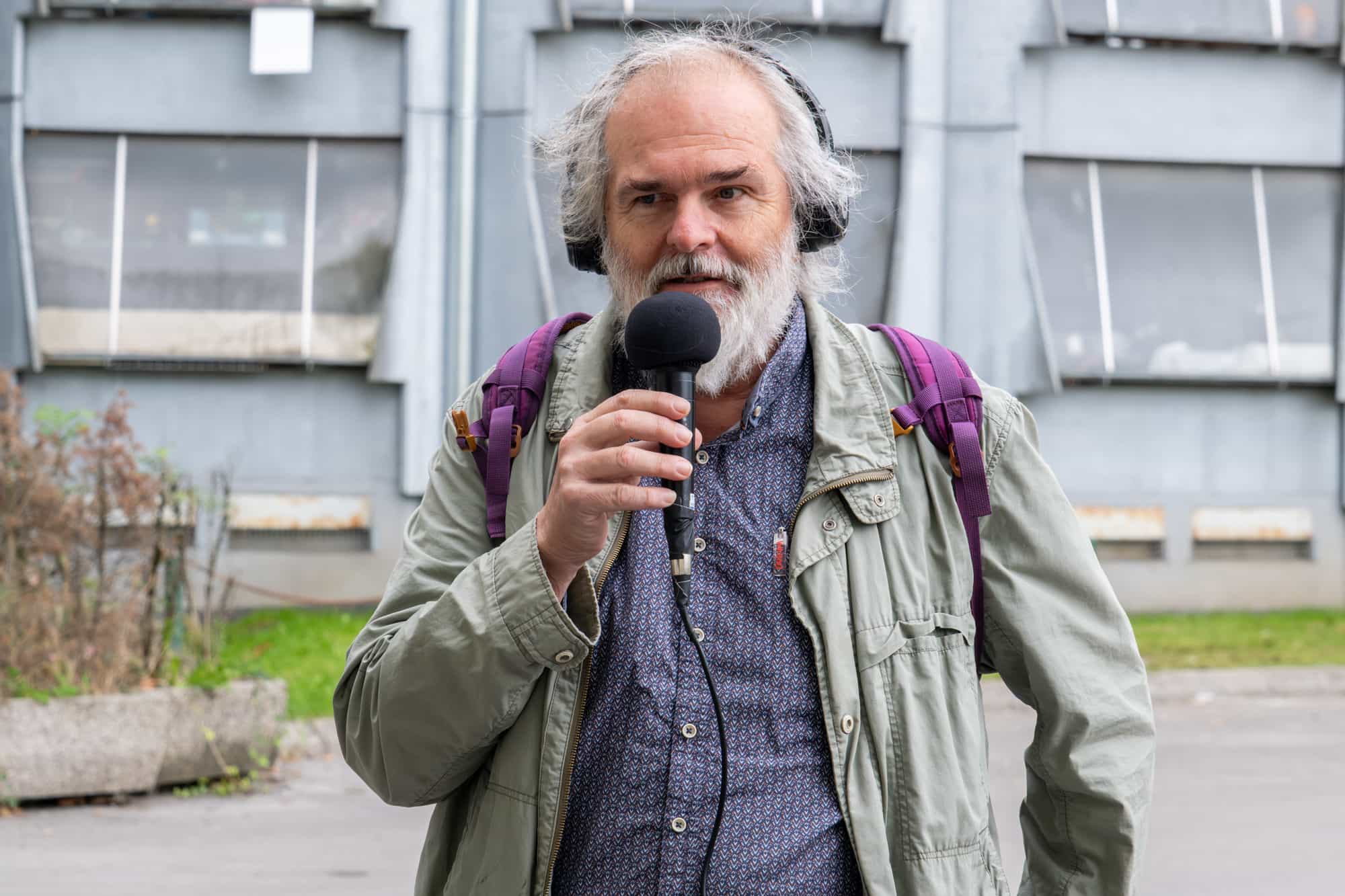
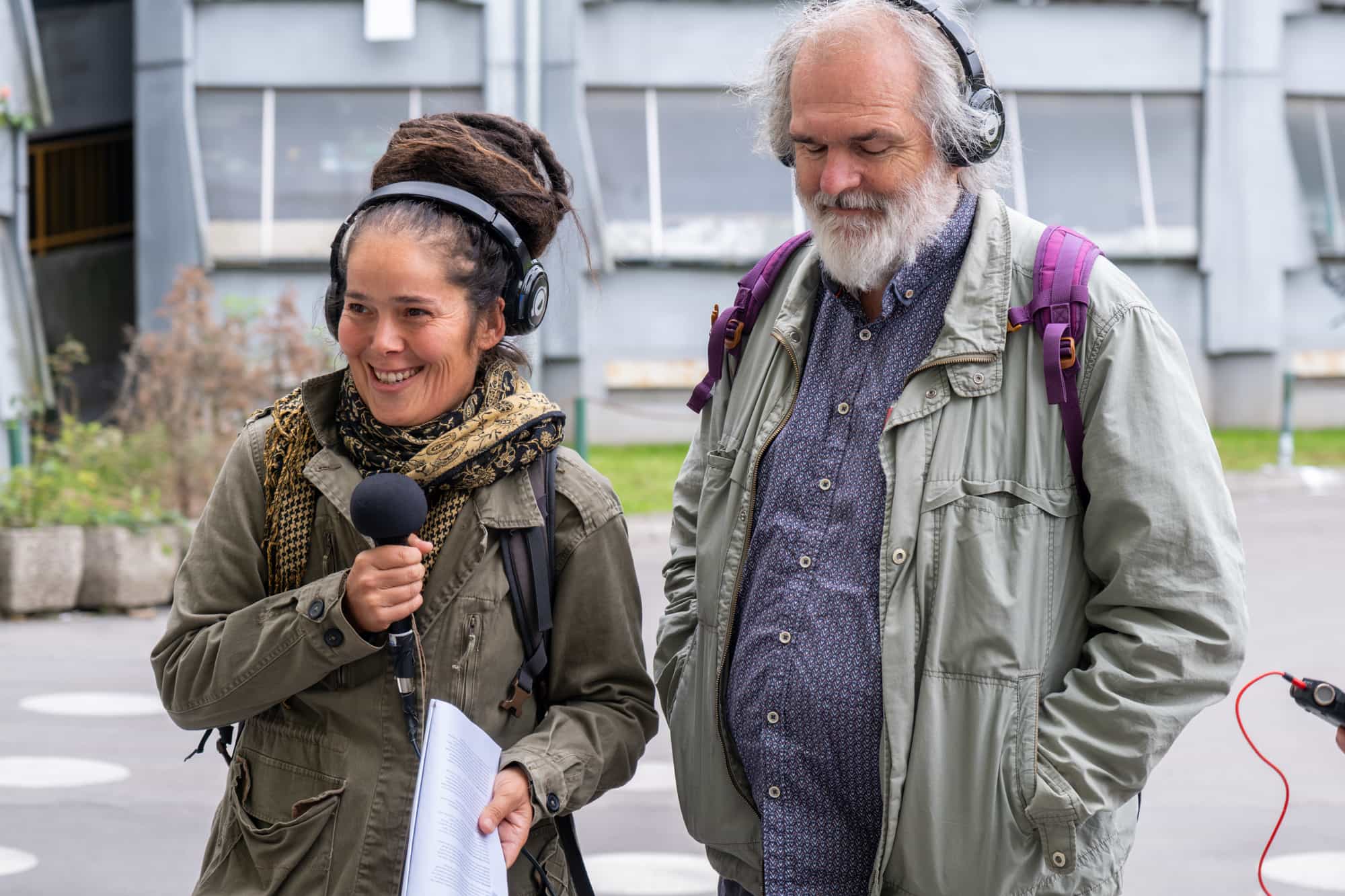
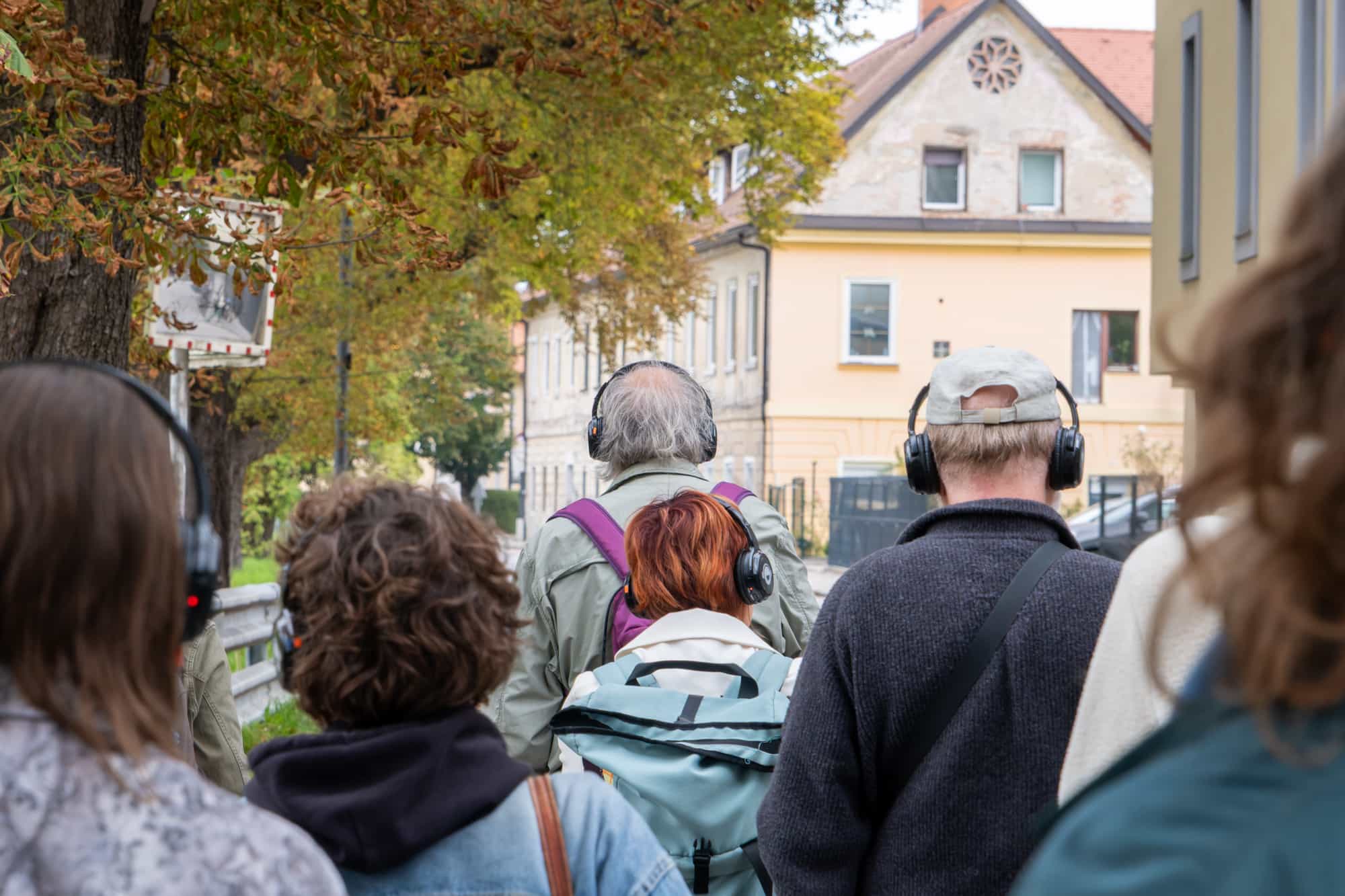
In this peripatetic lecture, we will encounter intentionality. This is a fundamental characteristic of our ability to think, in which we can only think about something and never about nothing. The same applies to the experience of sound: we can only experience sound and not silence. Just as humans are incapable of not thinking, we are also incapable of experiencing silence.
As a starting point, I will use my old definition of music as non-verbal sound games. It is non-verbal because it reaches into all areas of our experience: pre-symbolic, symbolic (linguistic) and post-symbolic. It is sonorous because music is sound, no matter how much we strive to feel the silence within. And it is a game because it is based on rules even in its freest forms. It is not only playful, but it is a game, it is not merely playing, its essence and core, which dictates its outcome whenever it begins.
I will conduct the peripatetic lecture in improvisation revolving around rhythm. I will explain Lefebvre’s rhythm analysis as a special field of understanding human life, similar to psychoanalysis. The fundamental question of the lecture will be whether Lefebvre discovered a rhythmic equivalent of the unconscious that is in its essence beyond space and time.
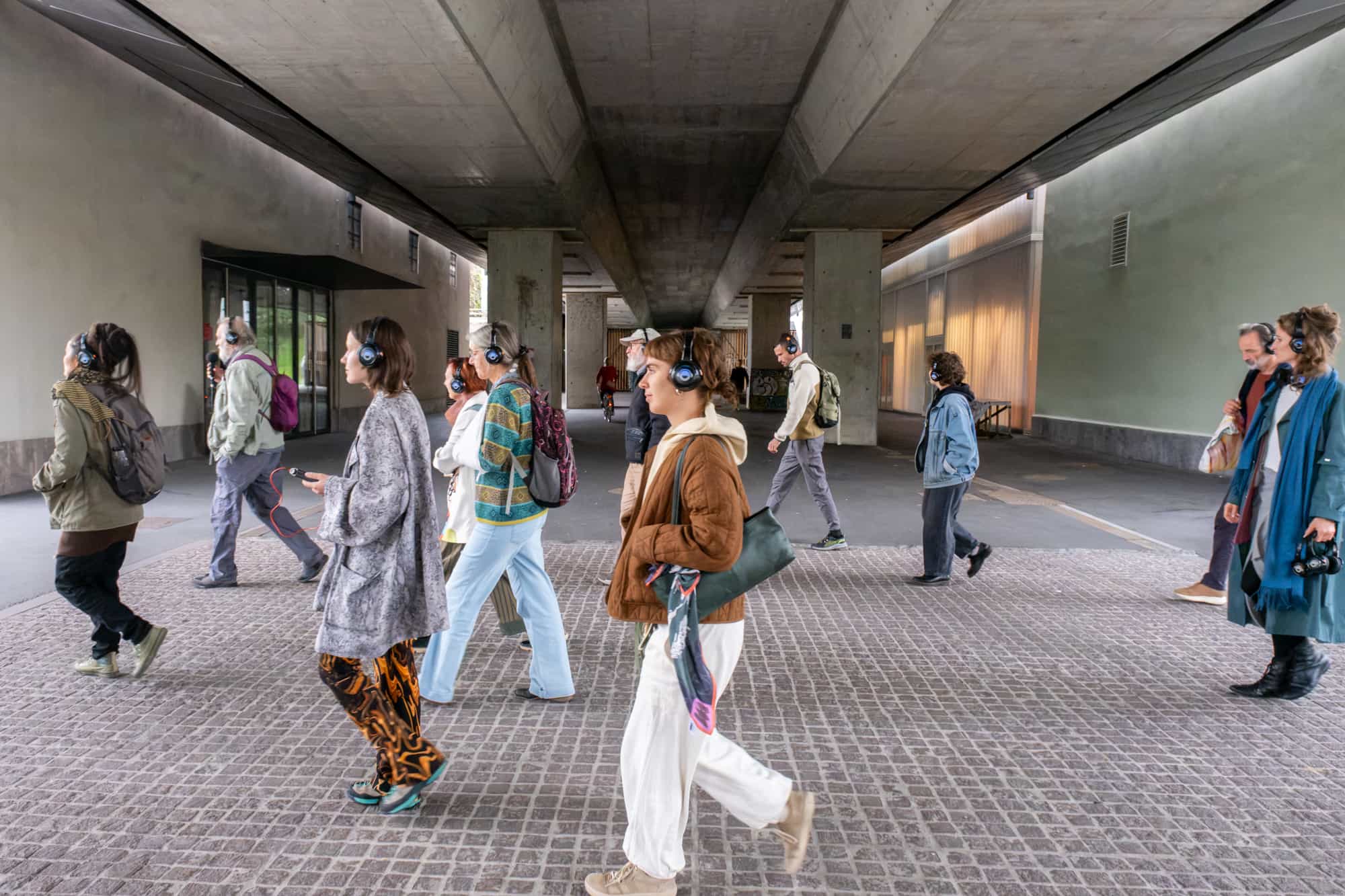
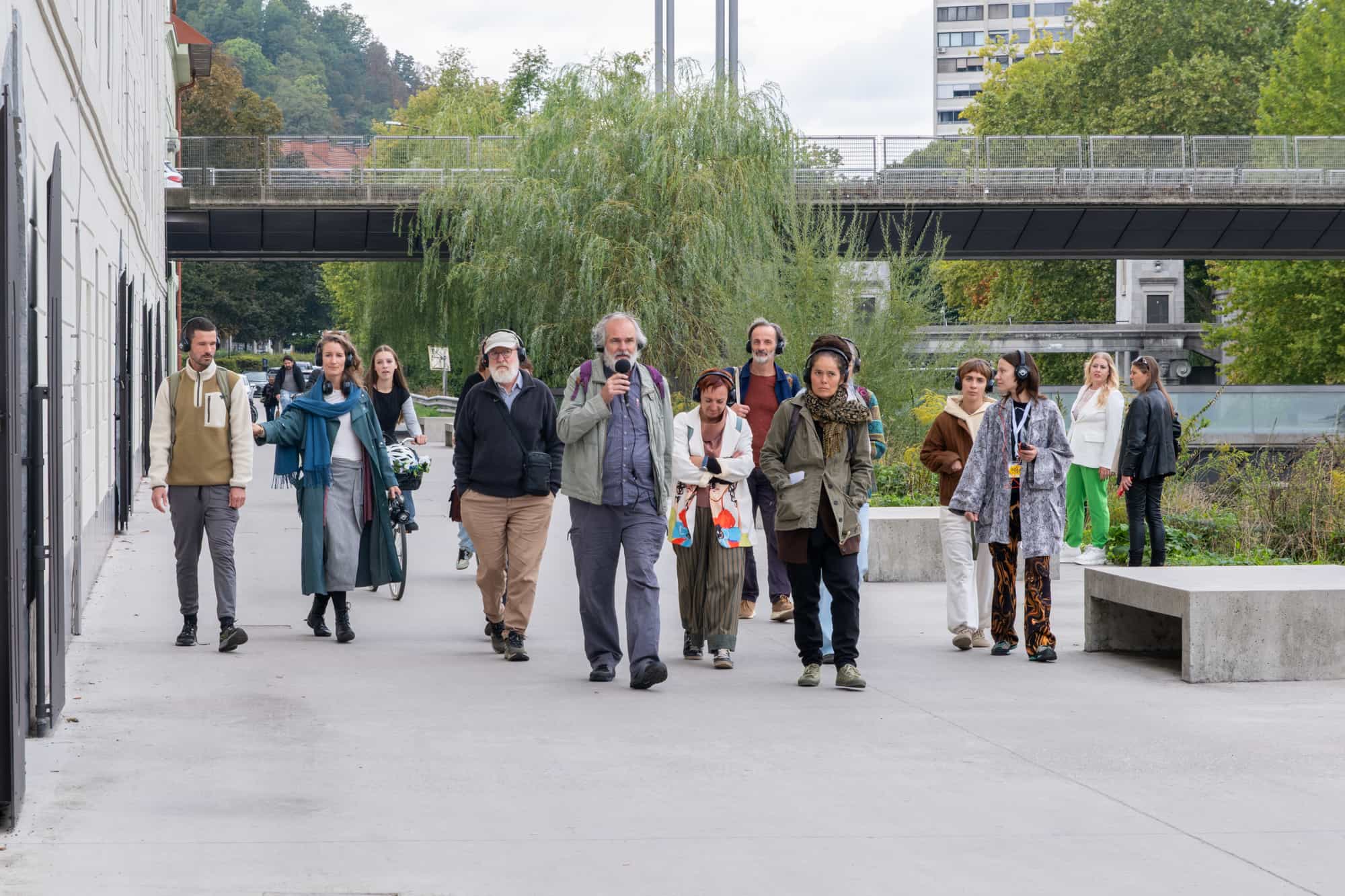
Therefore, while walking, we will walk from silence to resonation, from silence to noise, from silence to sound, from silence to tone, from pause to beat, from the measure of silence to rhythm, and finally from silence to space-time. The singular experience of soundsilence here and now will open a moment of eternity. We will end in Hegel’s infinite judgment at the end of dialectics, beyond Aufheben and Aufgehoben.

Matej Tomažin
In this peripatetic lecture, we will encounter intentionality. This is a fundamental characteristic of our ability to think, in which we can only think about something and never about nothing. The same applies to the experience of sound: we can only experience sound and not silence. Just as humans are incapable of not thinking, we are also incapable of experiencing silence.
As a starting point, I will use my old definition of music as non-verbal sound games. It is non-verbal because it reaches into all areas of our experience: pre-symbolic, symbolic (linguistic) and post-symbolic. It is sonorous because music is sound, no matter how much we strive to feel the silence within. And it is a game because it is based on rules even in its freest forms. It is not only playful, but it is a game, it is not merely playing, its essence and core, which dictates its outcome whenever it begins.
I will conduct the peripatetic lecture in improvisation revolving around rhythm. I will explain Lefebvre’s rhythm analysis as a special field of understanding human life, similar to psychoanalysis. The fundamental question of the lecture will be whether Lefebvre discovered a rhythmic equivalent of the unconscious that is in its essence beyond space and time.
Therefore, while walking, we will walk from silence to resonation, from silence to noise, from silence to sound, from silence to tone, from pause to beat, from the measure of silence to rhythm, and finally from silence to space-time. The singular experience of soundsilence here and now will open a moment of eternity. We will end in Hegel’s infinite judgment at the end of dialectics, beyond Aufheben and Aufgehoben.
A full professor at the Department of Ethnology and Cultural Anthropology, Faculty of Arts, University of Ljubljana. He is the author of the monograph Glasbeni pojmovnik za mlade (Music Glossary for Youth, 2017) and co-editor of the book Občutki mest: Antropologija, umetnost, čutne transformacije (Senses of Cities: Anthropology, Art, Sensory Transformations, 2022). He teaches basic methodological and theoretical courses, and his professional interests include sensory anthropology, research methodology, theories of science and culture, anthropology of popular music and youth cultures, urban anthropology, anthropology of space, heritage research, digital culture and algorithms.
ACCESSIBILITY
Performance language: Slovenian