The Slovenian Reception of John Cage – Meaningful Silence
PAST EVENTS


This contribution will discuss the reception of John Cage within the post-war cultural and political context in Slovenia, marked by “point zero“, a break from tradition and socialist ideology. As a peripheral Central European culture, Slovenian musical culture has long remained institutionally conservative. A key shift occurred in the 1960s with the younger generation of composers (Pro musica viva), who became acquainted with avant-garde movements and stepped into modernism through the Warsaw Autumn festival.
Despite the openness to experimentation, the attitude towards Cage was markedly ambivalent. Leading composers such as Primož Ramovš, Ivo Petrić and others often understood his music as chaotic, meaningless or even as a denial of music itself, although they also accepted some of his innovations, especially on the level of sound and performance techniques. Slovenian modernism was thus formed between two extremes: a rejection of the excessively rational serialism and a distrust of Cage’s “irrationality“, while remaining strongly attached to the idea of tradition.
Cage’s ideas therefore gained greater resonance outside institutional music, especially in intermedia arts, happenings and experimental theatre (e.g. the OHO group). Individuals such as Janko Jezovšek and Vinko Globokar further developed his concepts, but they mostly operated outside the main Slovenian space. In the 1970s, Cage continued to influence experimental collectives (NOMENKLATURA, OM produkcija, SAETA), in which improvisation, indeterminacy, audience involvement and the intertwining of artistic media were established. Despite these shifts, Cage remained primarily a reference for alternative and interdisciplinary practices and did not penetrate the core of the Slovenian institutional musical culture.
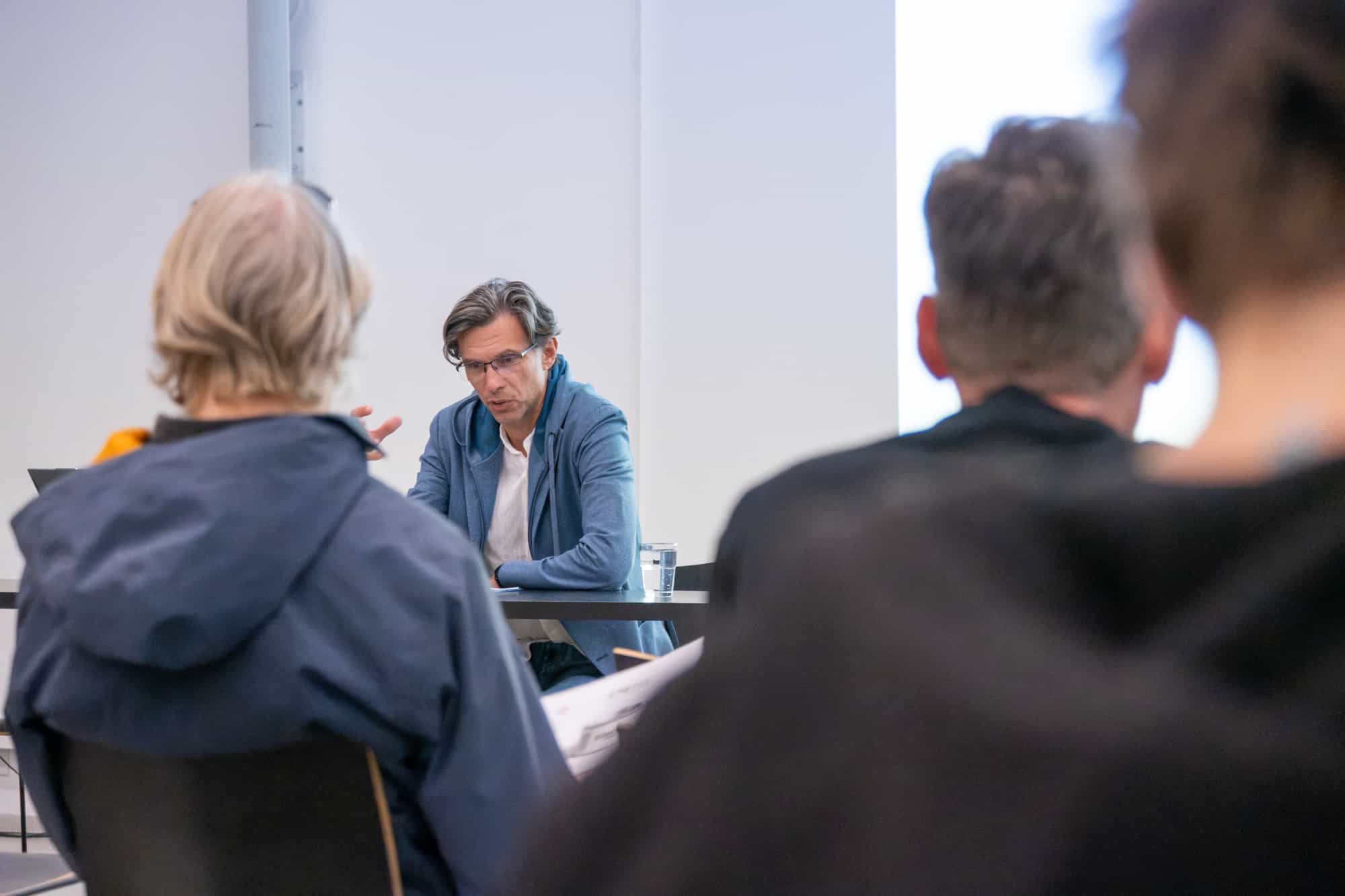
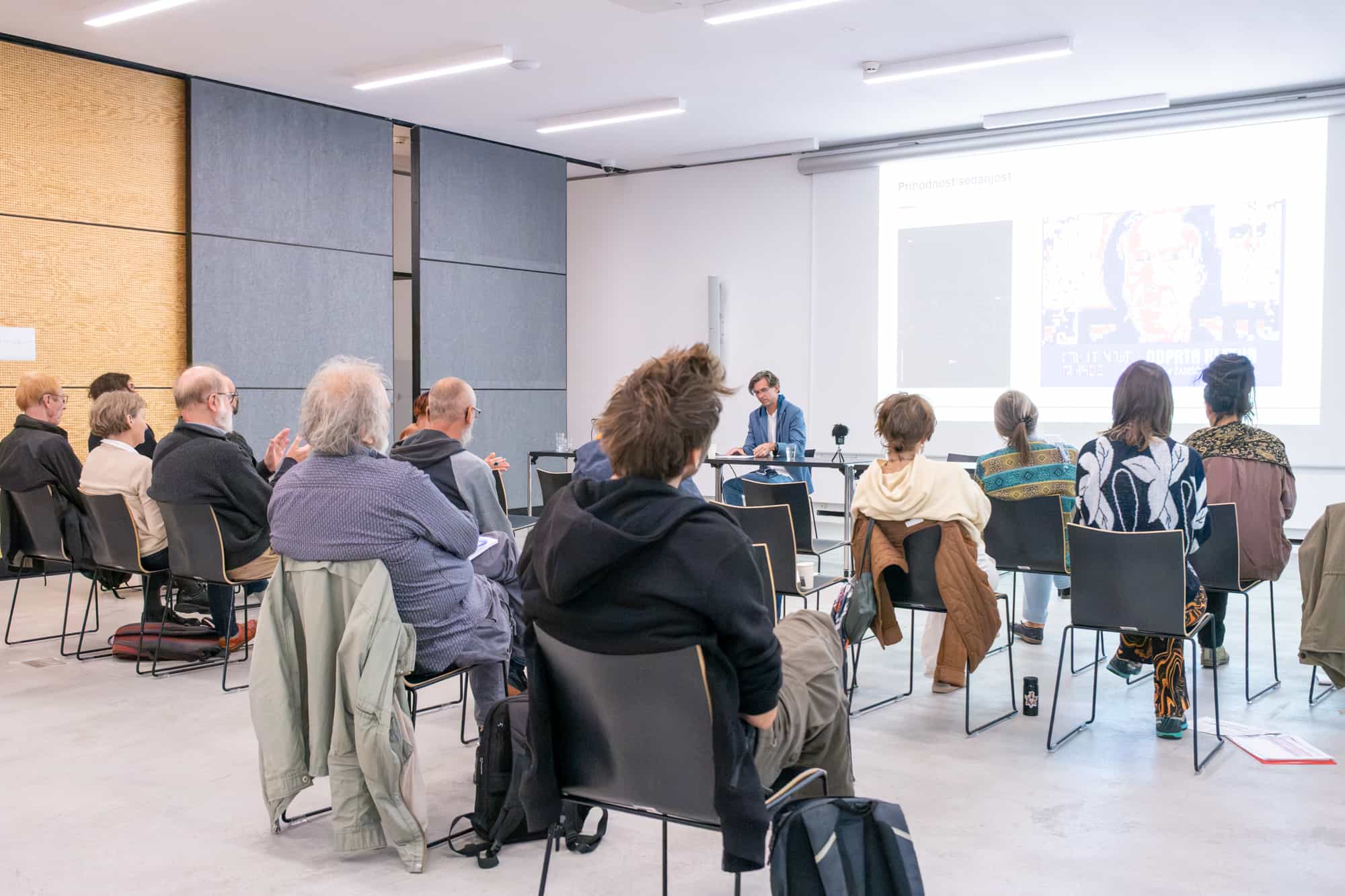

Matej Tomažin
This contribution will discuss the reception of John Cage within the post-war cultural and political context in Slovenia, marked by “point zero“, a break from tradition and socialist ideology. As a peripheral Central European culture, Slovenian musical culture has long remained institutionally conservative. A key shift occurred in the 1960s with the younger generation of composers (Pro musica viva), who became acquainted with avant-garde movements and stepped into modernism through the Warsaw Autumn festival.
Despite the openness to experimentation, the attitude towards Cage was markedly ambivalent. Leading composers such as Primož Ramovš, Ivo Petrić and others often understood his music as chaotic, meaningless or even as a denial of music itself, although they also accepted some of his innovations, especially on the level of sound and performance techniques. Slovenian modernism was thus formed between two extremes: a rejection of the excessively rational serialism and a distrust of Cage’s “irrationality“, while remaining strongly attached to the idea of tradition.
Cage’s ideas therefore gained greater resonance outside institutional music, especially in intermedia arts, happenings and experimental theatre (e.g. the OHO group). Individuals such as Janko Jezovšek and Vinko Globokar further developed his concepts, but they mostly operated outside the main Slovenian space. In the 1970s, Cage continued to influence experimental collectives (NOMENKLATURA, OM produkcija, SAETA), in which improvisation, indeterminacy, audience involvement and the intertwining of artistic media were established. Despite these shifts, Cage remained primarily a reference for alternative and interdisciplinary practices and did not penetrate the core of the Slovenian institutional musical culture.
A musicologist and full professor at the Faculty of Arts in Ljubljana, where he has worked since 2000. He studied comparative literature, German language and musicology and received the faculty’s student Prešeren Award. He has also lectured in Maribor and Graz and was head of the Department of Musicology. He publishes professional and journalistic articles, is a music critic for the newspaper Dnevnik and collaborates with Radio Slovenia. He is active as a researcher, dramaturg, composer and organizer of musical life, and is the author of several monographs.
ACCESSIBILITY
Performance language: Slovenian