AnimotMUZIK: Interspecies sound events
5–12 May 2024
Krater, Arboretum Volčji Potok, Boljkova gallery, Arboretum Volčji Potok, Boljkova gallery and Loški muzej Škofja Loka
PAST EVENTS
 29 Sep 2024
 MGLC Plečnik auditorium, Tivoli Park
 Free12 May 2024Loški museum Škofja LokaFree12 May 2024Loški museum Škofja LokaFree12 May 2024Loški museum Škofja LokaFree12 May 2024MGLC Plečnik auditorium, Tivoli parkFree11 May 2024Arboretum Volčji Potok, Boljkova galleryFree11 May 2024Arboretum Volčji Potok, Boljkova galleryFree5 May 2024KraterFree
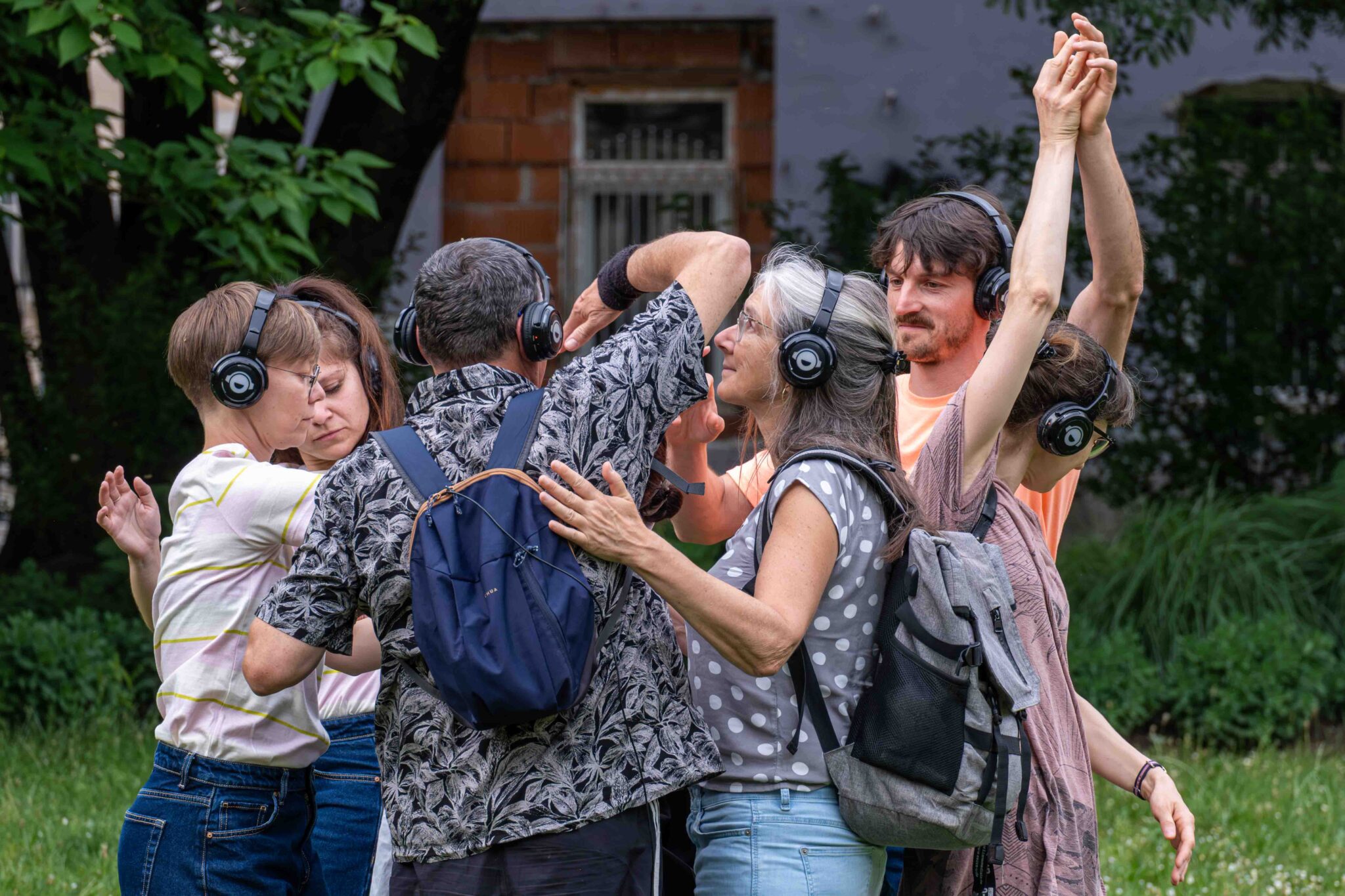
AnimotMUZIK is an interdisciplinary sound cycle based on direct interspecies musical improvisation between humans and other non-human animal species. It emerges from reflections on our relationship with nature, marked by pronounced human dominance and the unavoidable consequences of such power relations.
The anthropocenic worldview treats non-human animals, plants, and entire environments exploitatively, which is why discrimination and abuse of natural habitats appear long before understanding, coexistence, or interspecies collaboration advocated by professional and environmentally conscious communities. For decades, these communities have been warning about the urgency of ecological strategies to preserve biodiversity and interdependence among living organisms.
Sound ecology, which studies the relationship between human sonic practices and the environment, represents a significant redistribution of attention toward neglected areas of auditory perception. It encourages mindful listening, through which previously taken-for-granted soundscapes transform into complex, inclusive, and constantly evolving compositions of equally important protagonists.
The sounds produced by non-human animals are complex. While scientific study often approaches them from an external position, interspecies sound art focuses on entering the space as an equal participant. Humans thus become part of the chorus of birds, responding in harmony and resonance that acknowledge the full sonic spectrum.
Such creation is based on inclusive co-creation between humans and non-human animals. Human participation consciously expresses respect and equality, does not assume a dominant role, and creates space for all involved. Through this process, a unique interspecies collaboration is established, where sounds of different life forms intertwine into an authentic musical experience.
As an audience, we can fully engage with this musical exploration only when we understand that nature is not a backdrop for performers, but a space of symbiotic and compassionate relationships between humans and the environment. Not as a one-time occurrence, but as a reflection of ongoing coexistence. This form of musical expression is grounded in improvisation, where interactions between performers are unpredictable and spaces of encounter are filled with contingency.


Matej Tomažin
AnimotMUZIK is an interdisciplinary sound cycle based on direct interspecies musical improvisation between humans and other non-human animal species. It emerges from reflections on our relationship with nature, marked by pronounced human dominance and the unavoidable consequences of such power relations.
The anthropocenic worldview treats non-human animals, plants, and entire environments exploitatively, which is why discrimination and abuse of natural habitats appear long before understanding, coexistence, or interspecies collaboration advocated by professional and environmentally conscious communities. For decades, these communities have been warning about the urgency of ecological strategies to preserve biodiversity and interdependence among living organisms.
Sound ecology, which studies the relationship between human sonic practices and the environment, represents a significant redistribution of attention toward neglected areas of auditory perception. It encourages mindful listening, through which previously taken-for-granted soundscapes transform into complex, inclusive, and constantly evolving compositions of equally important protagonists.
The sounds produced by non-human animals are complex. While scientific study often approaches them from an external position, interspecies sound art focuses on entering the space as an equal participant. Humans thus become part of the chorus of birds, responding in harmony and resonance that acknowledge the full sonic spectrum.
Such creation is based on inclusive co-creation between humans and non-human animals. Human participation consciously expresses respect and equality, does not assume a dominant role, and creates space for all involved. Through this process, a unique interspecies collaboration is established, where sounds of different life forms intertwine into an authentic musical experience.
As an audience, we can fully engage with this musical exploration only when we understand that nature is not a backdrop for performers, but a space of symbiotic and compassionate relationships between humans and the environment. Not as a one-time occurrence, but as a reflection of ongoing coexistence. This form of musical expression is grounded in improvisation, where interactions between performers are unpredictable and spaces of encounter are filled with contingency.
Great Tit (Parus major) A distinctive songbird of Slovenian forests, gardens, and parks. Known for its adaptability, complex vocalizations, and high level of cognitive skill.
Blue Tit (Cyanistes caeruleus) A small tit with recognizable blue and yellow plumage. Noted for its foraging agility and remarkable vocal diversity.
Blackbird (Turdus merula) A vocal specialist with a distinctly melodic and individualized song. One of the most common birds in Slovenia’s cultural landscape.
Eurasian Nuthatch (Sitta europaea) The only European bird capable of climbing down tree trunks headfirst. Its call consists of metallic whistles, contributing a key element to the forest soundscape.
Eurasian Blackcap (Sylvia atricapilla) A singer with a rich vocal repertoire, known for its melodic and improvised phrases. Common in deciduous forests and shrublands.
House Sparrow (Passer domesticus) A highly social species closely associated with human settlements. Communicates through short, rhythmic calls during group interactions.
Chaffinch (Fringilla coelebs) A territorial singer with a characteristic, pulsating melody. A frequent inhabitant of forests and managed landscapes across Slovenia.
A Portuguese classically trained harpist, composer, and sound designer based in Ljubljana. Alongside international engagements, he is active in Slovenia. He creates contemporary and improvised music and explores a kaleidoscope of influences ranging from ethnomusicology and noise to pop, retro, rock, ambient, and electronic music.
A self-employed cultural worker active as a pedagogue, performer, and vocalist. She works in street and musical theatre, music, and vocal performance, and also creates music for storytelling, puppet theatre, and dance performances.
A self-taught musician and researcher of sonic peripheries, free of genre boundaries, with a lifelong passion for music.
A saxophonist and clarinettist of the younger generation, active between Ljubljana and Nova Gorica. He works primarily within free jazz, experimental, and alternative music practices.
A vocalist, pedagogue, and researcher dedicated to musical art, facilitation of individual and group sound-vocal workshops, and therapeutic sound practices. She draws inspiration from soundscapes of nature and urban environments.
A visual artist, performer, poet, and academic researcher of performative publishing, where publishing unfolds on stage rather than on the page. Her interdisciplinary practice connects visual and performing arts.
A musicologist whose research focuses on music of non-human animals and interspecies interactions. Her work bridges zoomusicology, applied ethnomusicology, interspecies art, and animal ethics.
Artist selection: Brane Zorman
Conceptual framework of the original sound cycle: Katarina Radaljac
Project partners: MGLC, Krater, Loški muzej Škofja Loka, Arboretum Volčji Potok
Organisation: Irena Pivka, Urška Savič
Public relations, video and photography: Matej Tomažin
Production: Cona, Institute for Processing Contemporary Art, 2024
With thanks to Ana Monro Theatre for providing rehearsal space for the preparation of the project.

Matej Tomažin