AnimotMUZIK: Ecological concert cycle
3 May-20 June 2026
Botanical Garden of the University of Maribor, Volčji Potok Arboretum, Božidar Jakac Gallery, Triglav National Park (Turizem Bohinj)
PAST EVENTS
 20 Jun 2026
 Free20 Jun 202630 May 2026Free29 May 2026Free22 May 2026Free with the purchase of a park ticketTicket purchase for the Arboretum is available online at https://vstopnice.arboretum.si/si/ or on site.3 May 2026Free with the purchase of a park ticketTicket purchase for the Arboretum is available online or on site.
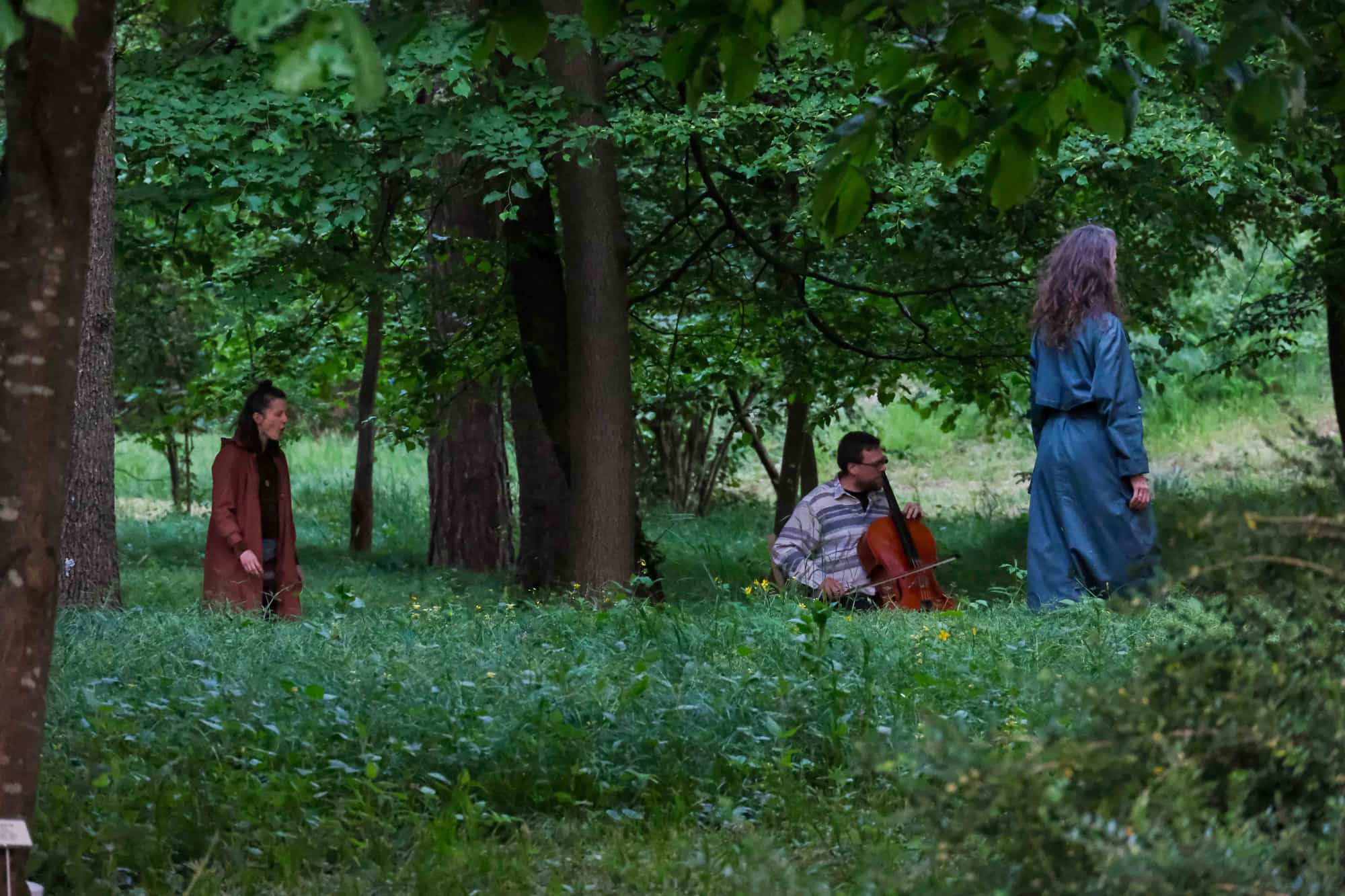
AnimotMUZIK is a cross-species sound cycle conceived as a research-artistic platform for interspecies musical improvisation between humans and more-than-human animal species. The project arises from a critique of anthropocentric models of production and perception, in which the natural environment is reduced to a backdrop or resource, and proposes a shift toward a relational understanding of space as an active sonic agent. It foregrounds an ethics of listening and responsibility toward multispecies ecosystems, in which human presence does not function as the dominant organizer of the event, but as a situated component within a broader sonic configuration.
The concert cycle opens on Sunday, 3 May 2026, on International Dawn Chorus Day and concludes on Saturday, 20 June, during Summer Museum Night.
Partners are: The Botanic Garden of the University of Maribor, Arboretum Volčji Potok, Božidar Jakac Gallery, Turizem Bohinj.
More about AnimotMUZIK:
The theoretical framework of AnimotMUZIK draws on sound ecology and zoomusicology. The former considers the soundscape as a dynamic system of relations among organisms, technologies, and place, while the latter examines musical and communicative structures in the vocalizations of non-human animals. In this context, the soundscape is understood as a multilayered, temporally variable composition in which biophony, geophony, and anthrophony interweave. Rather than aestheticizing nature, the project develops a methodology of attentive listening that enables the perception of micro-events, rhythmic patterns, frequency densities, and spatial relations that shape the specific sonority of each location.
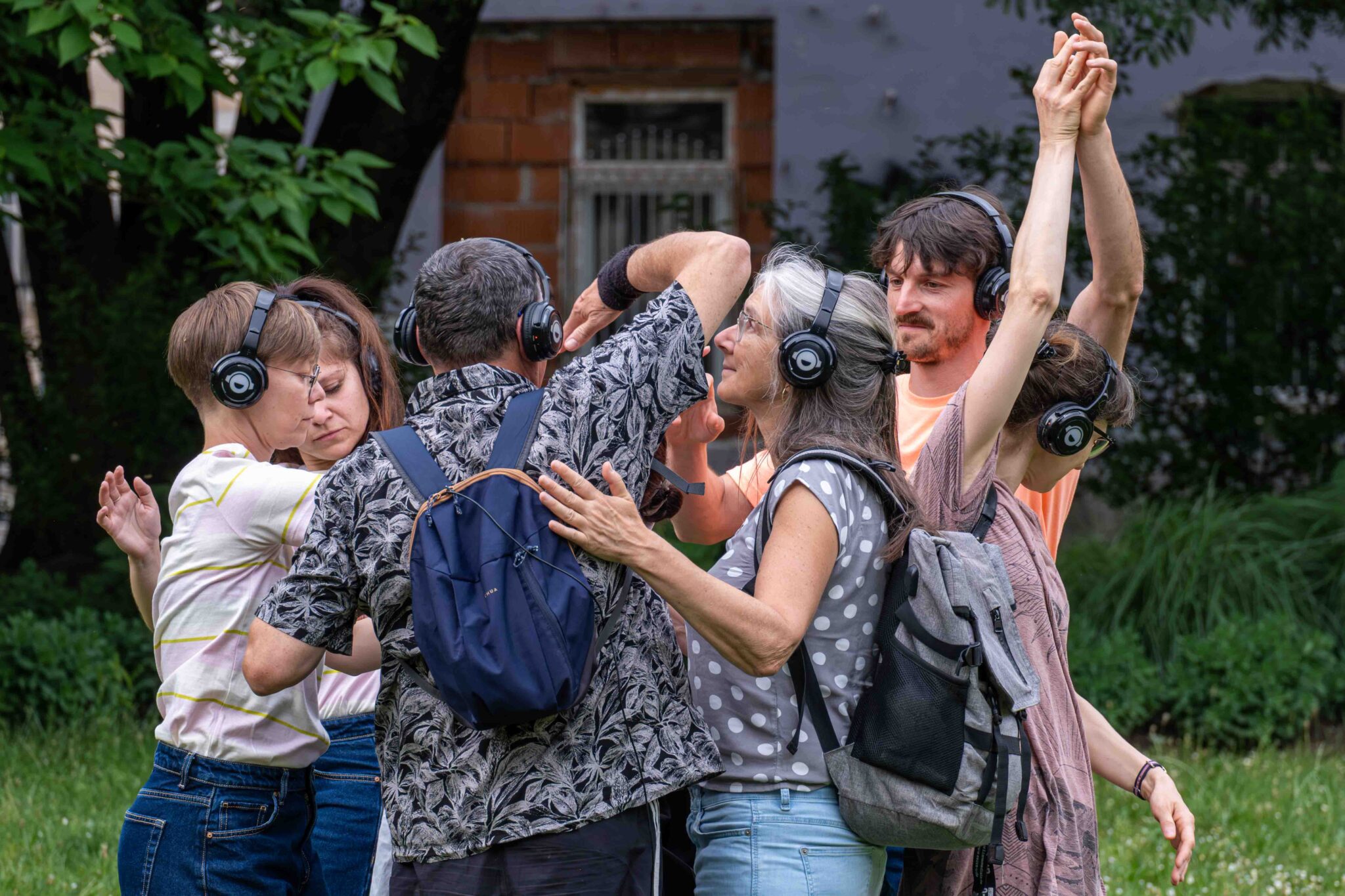
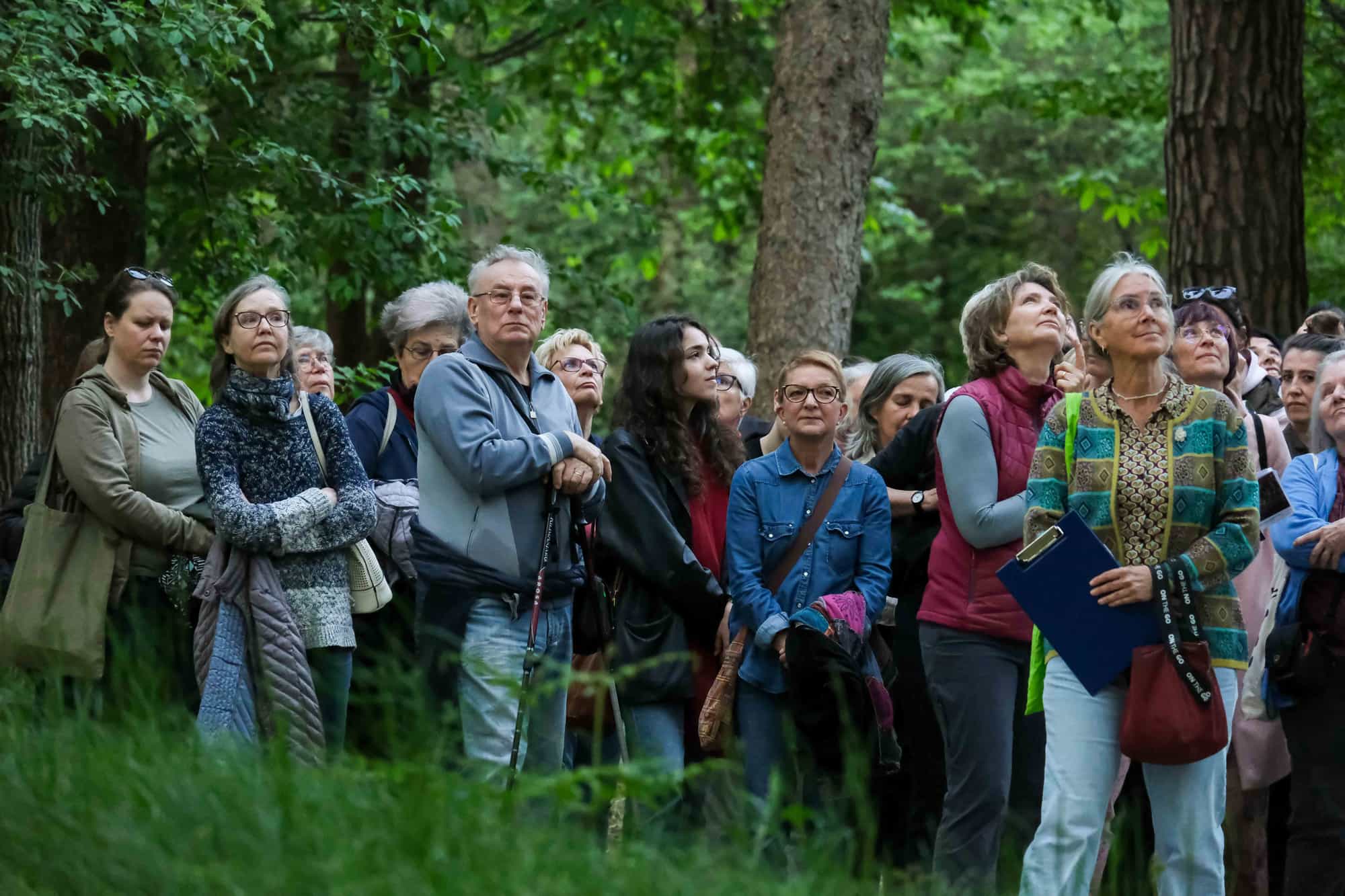
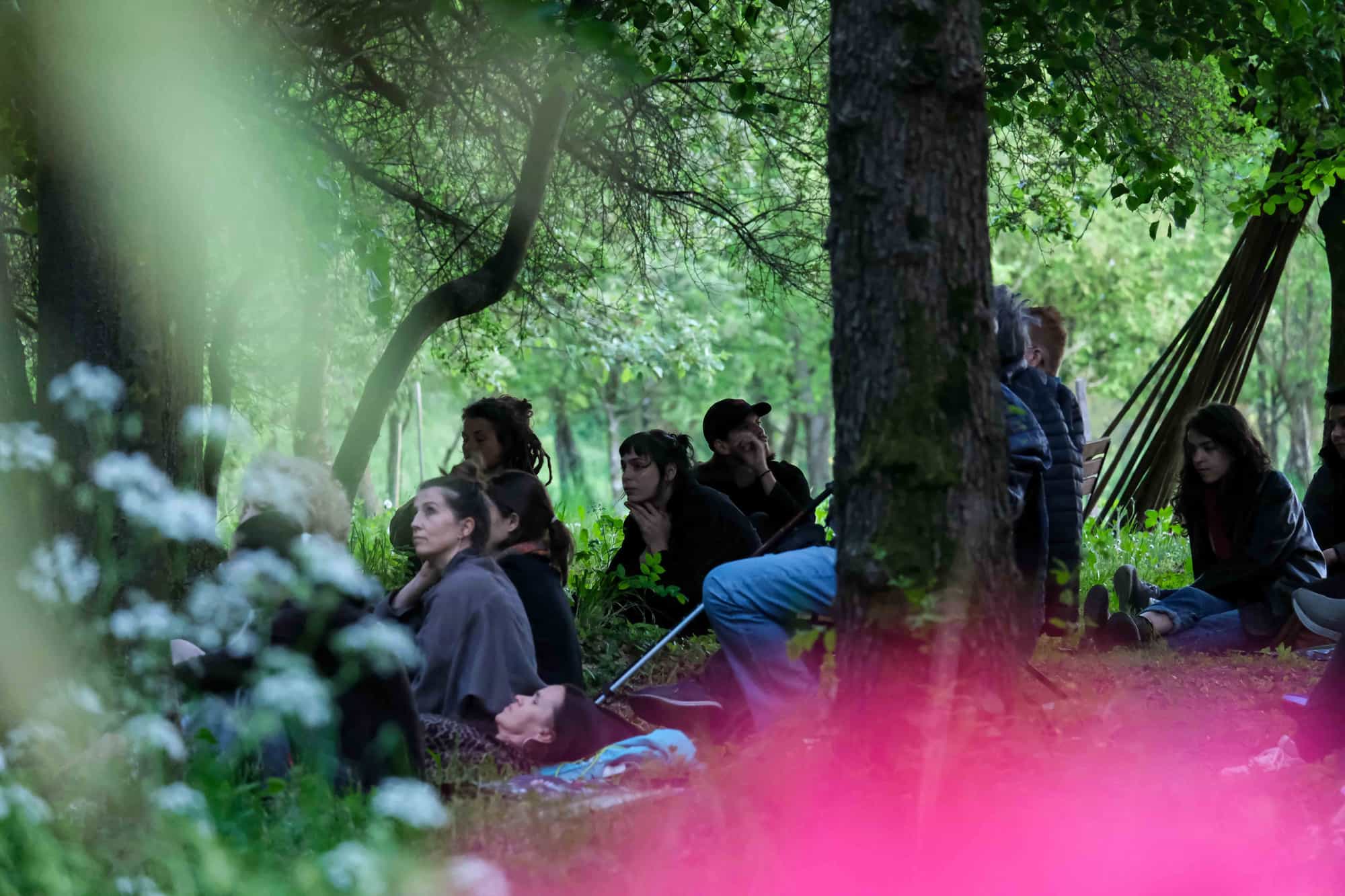
AnimotMUZIK frames the concert as a situational event: a singular, site-specific configuration that cannot be repeated in identical form. The non-hierarchical polyphony that emerges is not merely an aesthetic strategy, but also a model of coexistence and a proposal for how, in the Anthropocene, interspecies relations might be thought and practiced through listening, responsiveness, and restraint. In this format, the audience is invited into active reception, where listening is understood as a participatory process that transforms the perception of the natural environment from a “green backdrop” into a co-creative space.

Matej Tomažin
AnimotMUZIK is a cross-species sound cycle conceived as a research-artistic platform for interspecies musical improvisation between humans and more-than-human animal species. The project arises from a critique of anthropocentric models of production and perception, in which the natural environment is reduced to a backdrop or resource, and proposes a shift toward a relational understanding of space as an active sonic agent. It foregrounds an ethics of listening and responsibility toward multispecies ecosystems, in which human presence does not function as the dominant organizer of the event, but as a situated component within a broader sonic configuration.
The concert cycle opens on Sunday, 3 May 2026, on International Dawn Chorus Day and concludes on Saturday, 20 June, during Summer Museum Night.
Partners are: The Botanic Garden of the University of Maribor, Arboretum Volčji Potok, Božidar Jakac Gallery, Turizem Bohinj.
More about AnimotMUZIK:
The theoretical framework of AnimotMUZIK draws on sound ecology and zoomusicology. The former considers the soundscape as a dynamic system of relations among organisms, technologies, and place, while the latter examines musical and communicative structures in the vocalizations of non-human animals. In this context, the soundscape is understood as a multilayered, temporally variable composition in which biophony, geophony, and anthrophony interweave. Rather than aestheticizing nature, the project develops a methodology of attentive listening that enables the perception of micro-events, rhythmic patterns, frequency densities, and spatial relations that shape the specific sonority of each location.
AnimotMUZIK frames the concert as a situational event: a singular, site-specific configuration that cannot be repeated in identical form. The non-hierarchical polyphony that emerges is not merely an aesthetic strategy, but also a model of coexistence and a proposal for how, in the Anthropocene, interspecies relations might be thought and practiced through listening, responsiveness, and restraint. In this format, the audience is invited into active reception, where listening is understood as a participatory process that transforms the perception of the natural environment from a “green backdrop” into a co-creative space.
Sunday, 3 May 2026, University of Maribor Botanical Garden
birds, Jure Boršič, Kristijan Krajnčan, Allja Petric, Tea Vidmar, Brane Zorman
Monika Podgorelec: ornithological guided tour
The ecological concert will take place for the first time at the University of Maribor Botanical Garden on the occasion of the International Dawn Chorus Day.
Friday, 22 May 2026, Arboretum Volčji Potok
birds, Jure Boršič, Vita Kobal, Kristijan Krajnčan, Allja Petric, Tea Vidmar, Brane Zorman
Alenka Bradač: ornithological guided tour
The concert, which has been held at the Arboretum for the past three years, will this year take place in an expanded format with six artists and numerous more-than-human co-creators.
The concert is free of charge. Attendance requires the purchase of a park entrance ticket. Tickets can be purchased on site or online.
Friday, 29 May and Saturday, 30 May 2026, Turizem Bohinj
birds, Tea Vidmar, Allja Petric, Kristijan Krajnčan, Brane Zorman
Tomaž Mihelič: ornithological guided tour
Lucija Gartner: Introduction to the life of cattle and their communication, introductory lecture
As part of the International Wild Flower Festival and in cooperation with Turizem Bohinj, the AnimotMUZIK cycle will take place in two editions. The Ecological concert with birds (Aves), held on 29 May, is dedicated to the co-creation and shaping of music with birds. In the Ecological concert with cattle (Bos taurus) on 30 May, Alpine cattle will be invited into the concert experience for the first time.
Saturday, 20 June 2026, Božidar Jakac Gallery, Forma Viva Sculpture Park
birds, Jure Boršič, Vita Kobal, Allja Petric, Tea Vidmar, Brane Zorman
Katarina Radaljac Jazbec: Interspecies Communication, introductory lecture
During the Summer Museum Night the invited musicians will perform for the first time in dialogue with the landscapes of the Forma Viva Sculpture Park and the birds surrounding the Božidar Jakac Gallery.
Blackbird (Turdus merula) A vocal specialist with a distinctly melodic and individualized song. One of the most common birds in Slovenia’s cultural landscape.
Blue Tit (Cyanistes caeruleus) A small tit with recognizable blue and yellow plumage. Noted for its foraging agility and remarkable vocal diversity.
Chaffinch (Fringilla coelebs) A territorial singer with a characteristic, pulsating melody. A frequent inhabitant of forests and managed landscapes across Slovenia.
Common Chiffchaff (Phylloscopus collybita) A small and very common songbird of open woodlands and shrubby habitats. It is recognized by its rhythmic, repetitive song, a characteristic sound of spring along many forest edges.
Common Wood Pigeon (Columba palumbus) The largest European pigeon, common in forests, parks, and cultivated landscapes. Its deep, repetitive cooing is a recognizable acoustic feature of both rural and urban environments.
Eurasian Blackcap (Sylvia atricapilla) A singer with a rich vocal repertoire, known for its melodic and improvised phrases. Common in deciduous forests and shrublands.
Eurasian Jay (Garrulus glandarius) A colourful member of the crow family with highly varied vocalizations and sharp alarm calls. It also plays an important ecological role by dispersing acorns and supporting natural forest regeneration.
Eurasian Nuthatch (Sitta europaea) The only European bird capable of climbing down tree trunks headfirst. Its call consists of metallic whistles, contributing a key element to the forest soundscape.
European Green Woodpecker (Picus viridis) A distinctive green woodpecker that spends much of its time on the ground searching for ants. Its loud, laughing call is one of the most recognizable sounds of the spring woodland.
European Robin (Erithacus rubecula) A familiar small songbird with a bright orange-red breast, common in forests, parks, and gardens. Known for its delicate yet expressive song and strong territorial behaviour.
Great Tit (Parus major) A distinctive songbird of Slovenian forests, gardens, and parks. Known for its adaptability, complex vocalizations, and high level of cognitive skill.
Hooded Crow (Corvus cornix) An intelligent and highly adaptable species, often found in settlements and cultivated landscapes. Its harsh, assertive calls form a familiar part of the urban soundscape.
House Sparrow (Passer domesticus) A highly social species closely associated with human settlements. Communicates through short, rhythmic calls during group interactions.
A large grazing herbivore of open grasslands and pasture landscapes. Its calm presence, steady movement, and low, resonant calls are characteristic features of many rural environments.
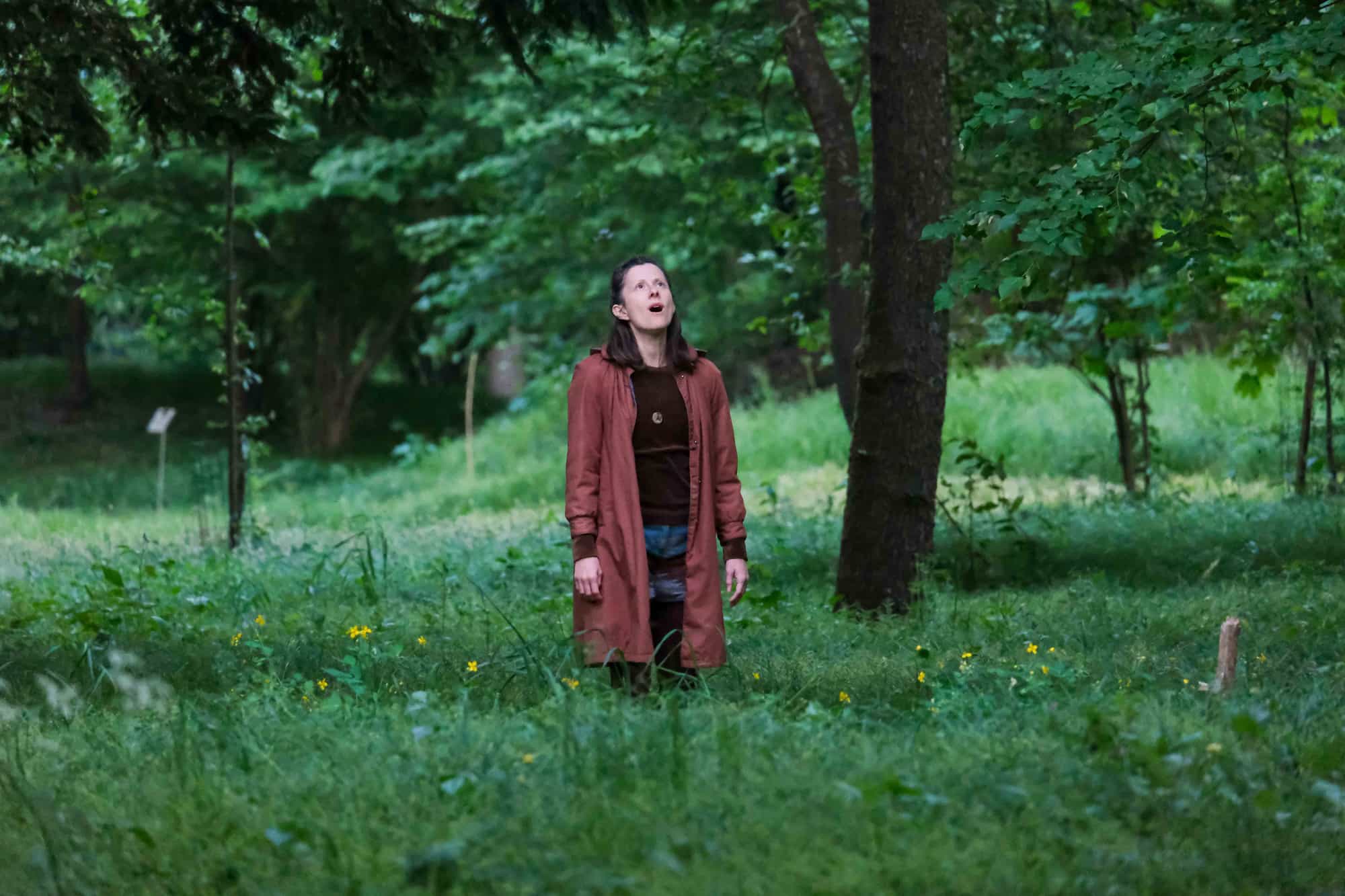
Self-employed cultural worker active as a pedagogue, performer, and vocalist. Her practice spans street and music theatre, vocal performance, and the creation of music for storytelling, puppet theatre, and contemporary dance.
A saxophonist and clarinettist of the younger generation, working between Ljubljana and Nova Gorica. He is primarily active in free jazz, experimental, and alternative music practices.
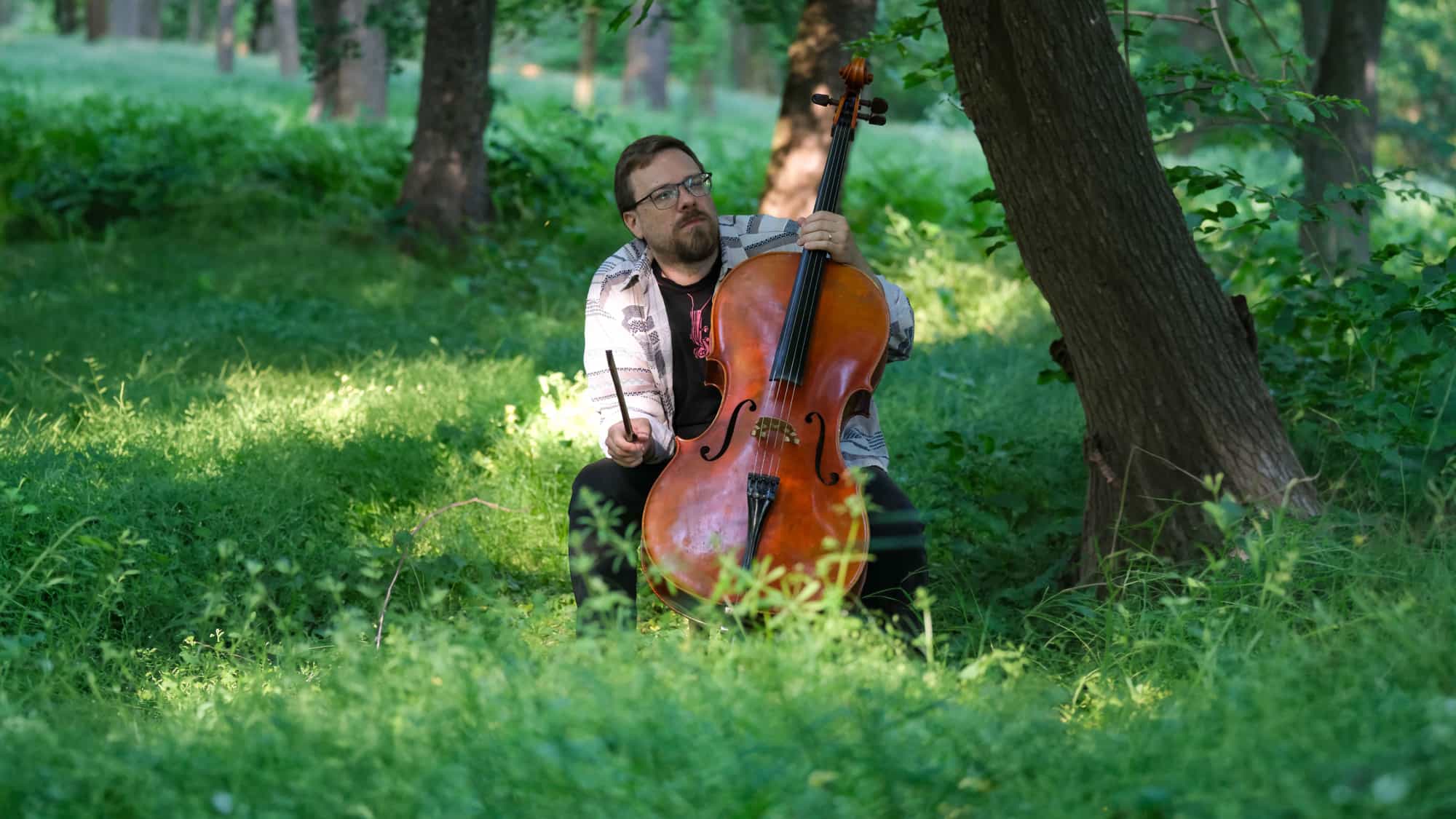
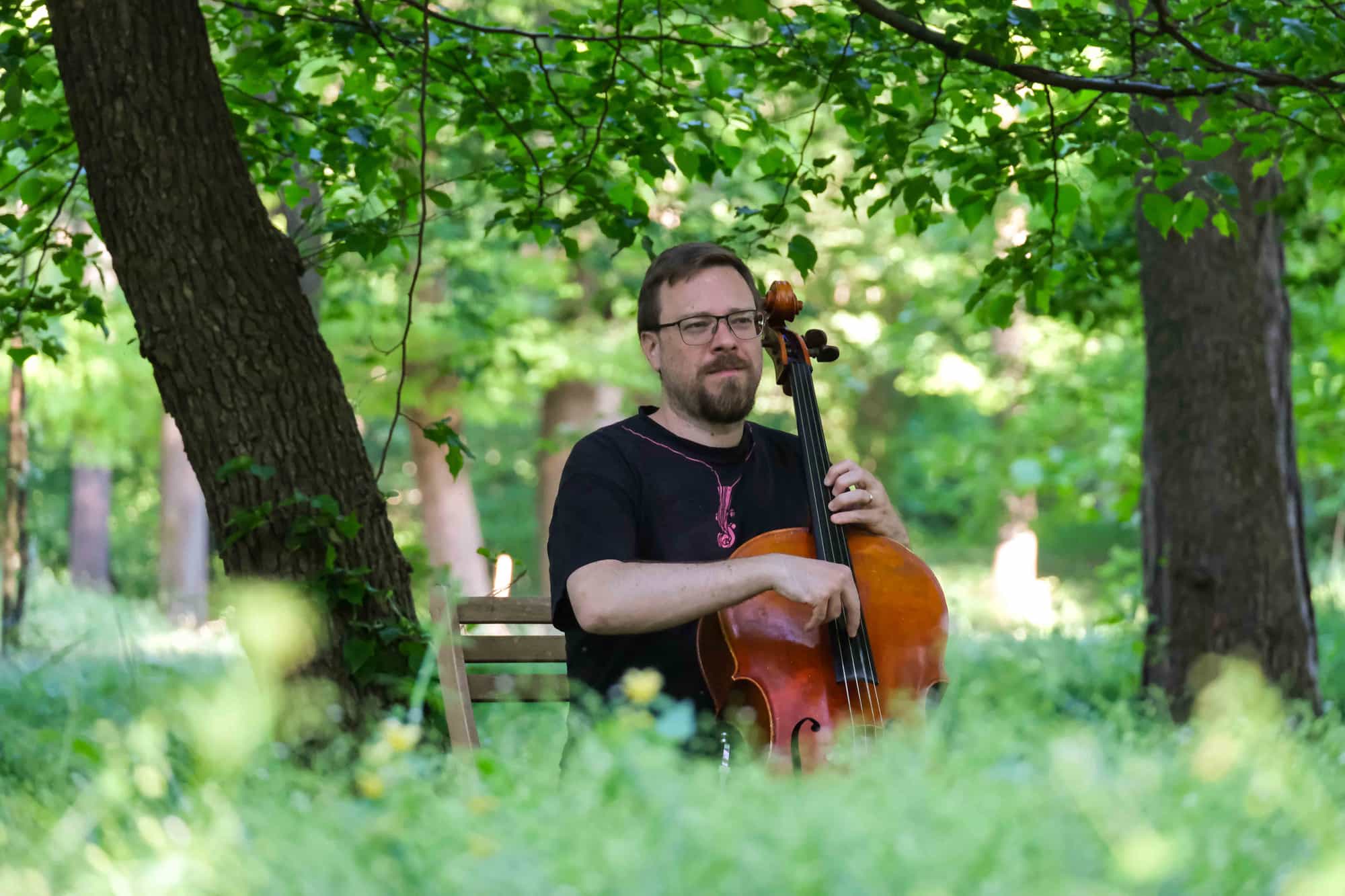
Cellist, drummer, and composer, and recipient of numerous awards. He creates music for film, theatre, and dance productions, has contributed to 52 albums, and has performed in more than 25 countries.
A Slovenian musician who primarily performs as part of a duo with musician Ivo Švigelj. In her work she blends tradition and contemporary approaches, classical music and jazz, creating music that reflects an inner world shaped by emotion, exploration, and creative freedom.
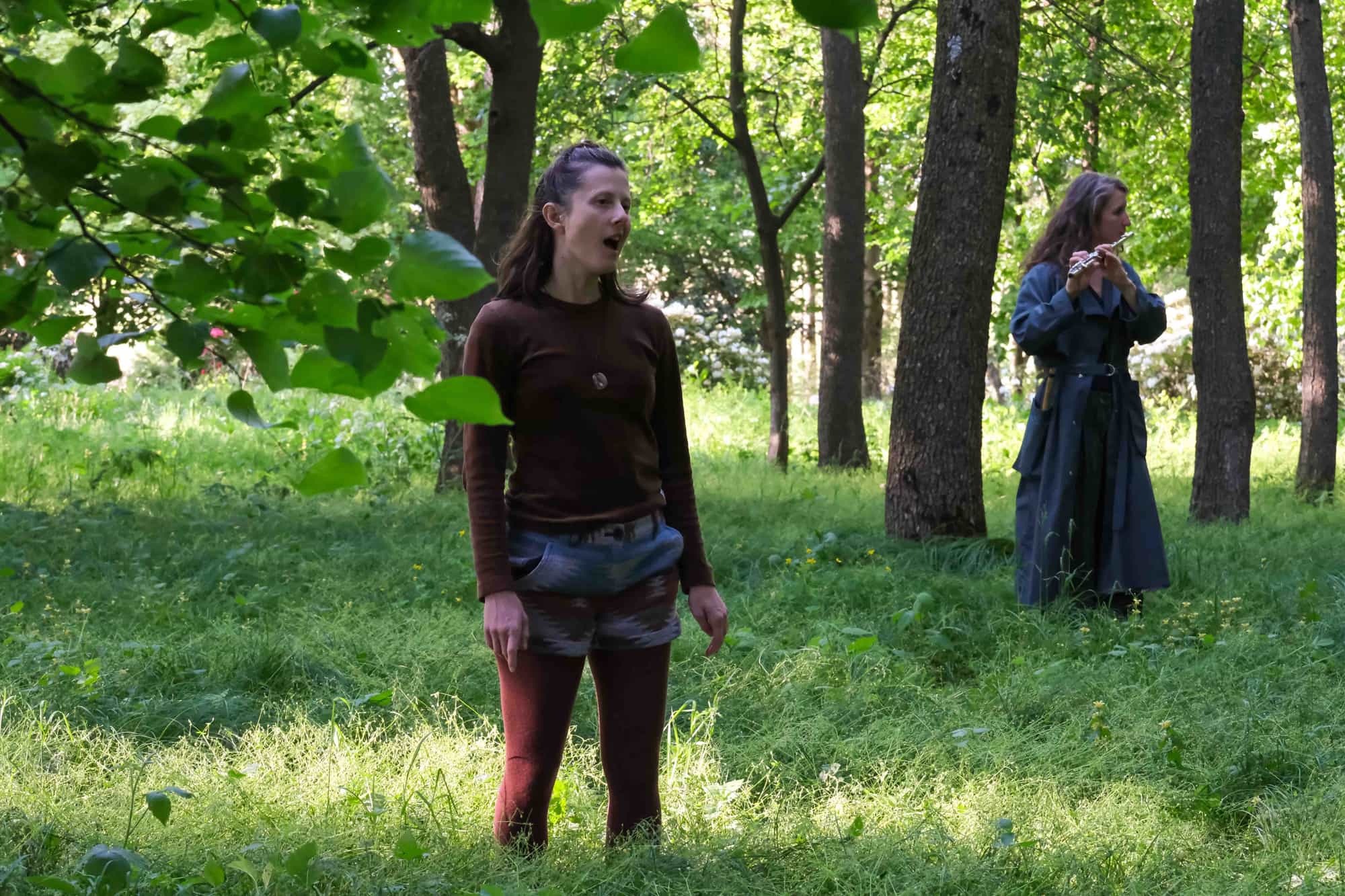
Vocalist, vocal pedagogue, and sound artist working across contemporary, improvised, and cross-genre music. Her practice encompasses solo performances, original compositions, and a wide range of collaborations in musical, sound, performative, and interdisciplinary contexts.
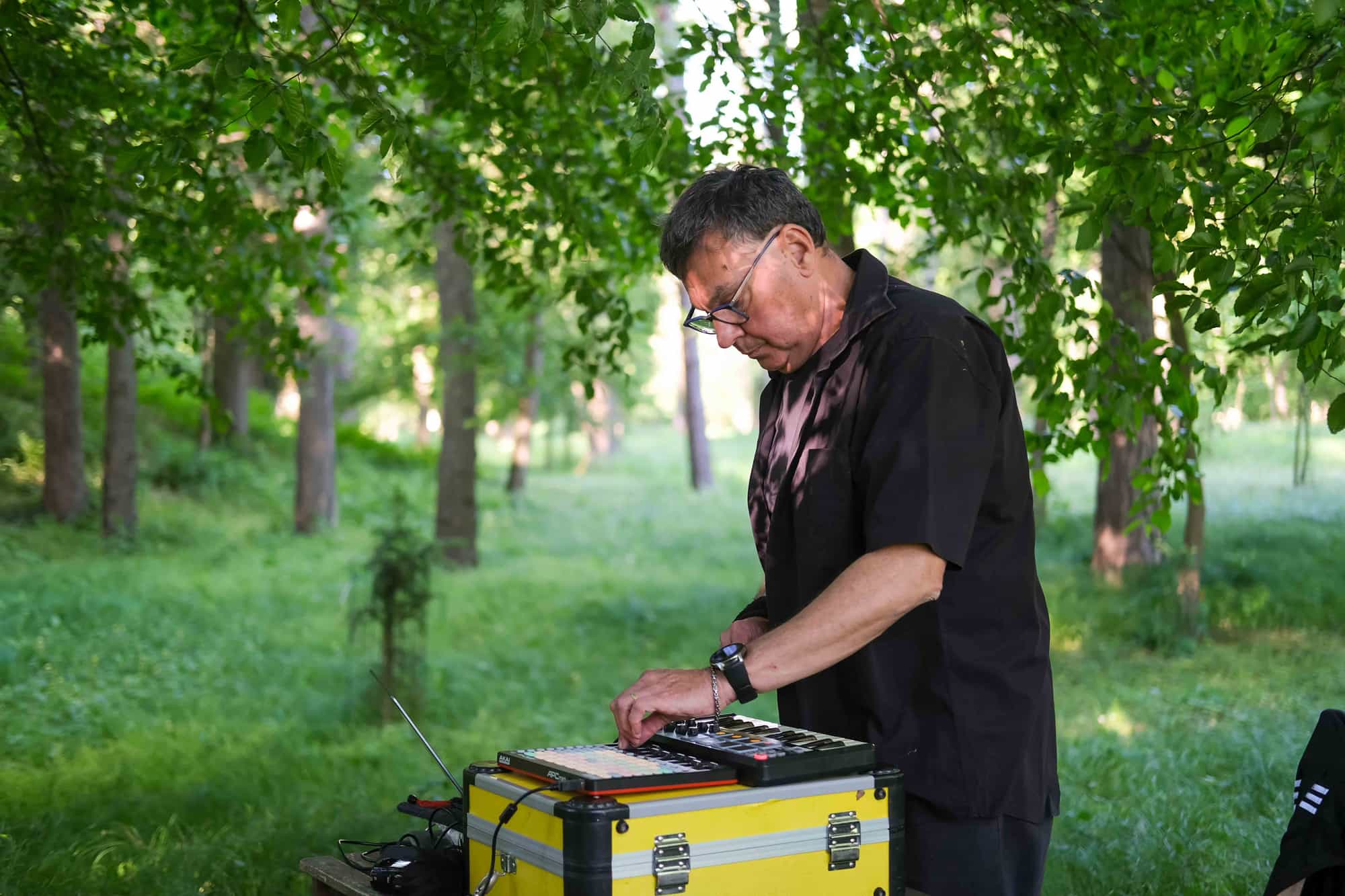
An intermedia artist, composer, sound manipulator, producer, and curator. He composes sound works for theatre, intermedia, and dance productions.
Concept of the original sound cycle: Katarina Radaljac Jazbec
Audience development event: Alenka Bradač, Katarina Radaljac Jazbec, Monika Podgorelec, Lucija Gartner, Tomaž Mihelič
Partners of this year’s cycle: University of Maribor Botanical Garden, Arboretum Volčji Potok, Božidar Jakac Art Museum, Bohinj Tourism, DOPPS (BirdLife Slovenia) and Slovenian Museum of Natural History.

Matej Tomažin