Žiga Pucelj: In conversation with Salomé Voegelin
An interview with Salomé Voegelin on the day of her performative lecture No Signal at the TO)pot Festival of Radical Soundwalking, 23 September 2026. The interview was published in Centralala.
On September 23rd, on the day of her curatorial performance no signal at the TO)pot festival in Ljubljana, we met with the artist, researcher, and writer Salomé Voegelin in the café of Hotel Park. Voegelin is currently based in Berlin, serves as a Professor of Sound at the London College of Communication, University of the Arts London, and also holds an academic role in Bern, Switzerland. Known also for writing text and conceptual scores for music and performance, she has released projects on the Flaming Pines record label, including Cassette Album (2025) and Paint your lips while singing your favourite pop song (2022). She is the author of several influential books exploring the philosophy and politics of sound, including Listening to Noise and Silence: Towards a Philosophy of Sound (2010), Sonic Possible Worlds: Hearing the Continuum of Sound (2014/21), The Political Possibility of Sound: Fragments of Listening (2018), Uncurating Sound: Knowledge with Voice and Hands (2023), and Unperforming the Dream House (2023). In our conversation, we discussed her early formative experiences with sound, her critique of dominant visual object-based knowledge, the concept of the no signal, and the political potential of sonic thinking in contemporary art and academia.
Before we get into your work, I wanted to know if you could tell us something about your upbringing: your family, your early influences, even before school and academia? So what in those kinds of early environments was formative towards who you are now in an intellectual and artistic sense?
Sometimes I find these sort of origin stories really difficult. I don’t think much about how I came to sound, but actually there are, I suppose, formative moments. I was brought up my first nineteen, twenty years in Switzerland, which is an extremely conservative, patriarchal place. I found that more as I moved away from it. My first understanding of maybe not quite seeing the world like others do was when I went to school, and I wasn’t very good at primary school, and I don’t think it was because I was particularly stupid, but I think I really genuinely didn’t quite understand how we had to learn and maybe what we had to learn. I couldn’t quite understand the institution of school and what one was supposed to do there. And one way this manifested itself was when I had to learn the recorder, because you have to either learn the xylophone or the recorder at school …
more in Centralala
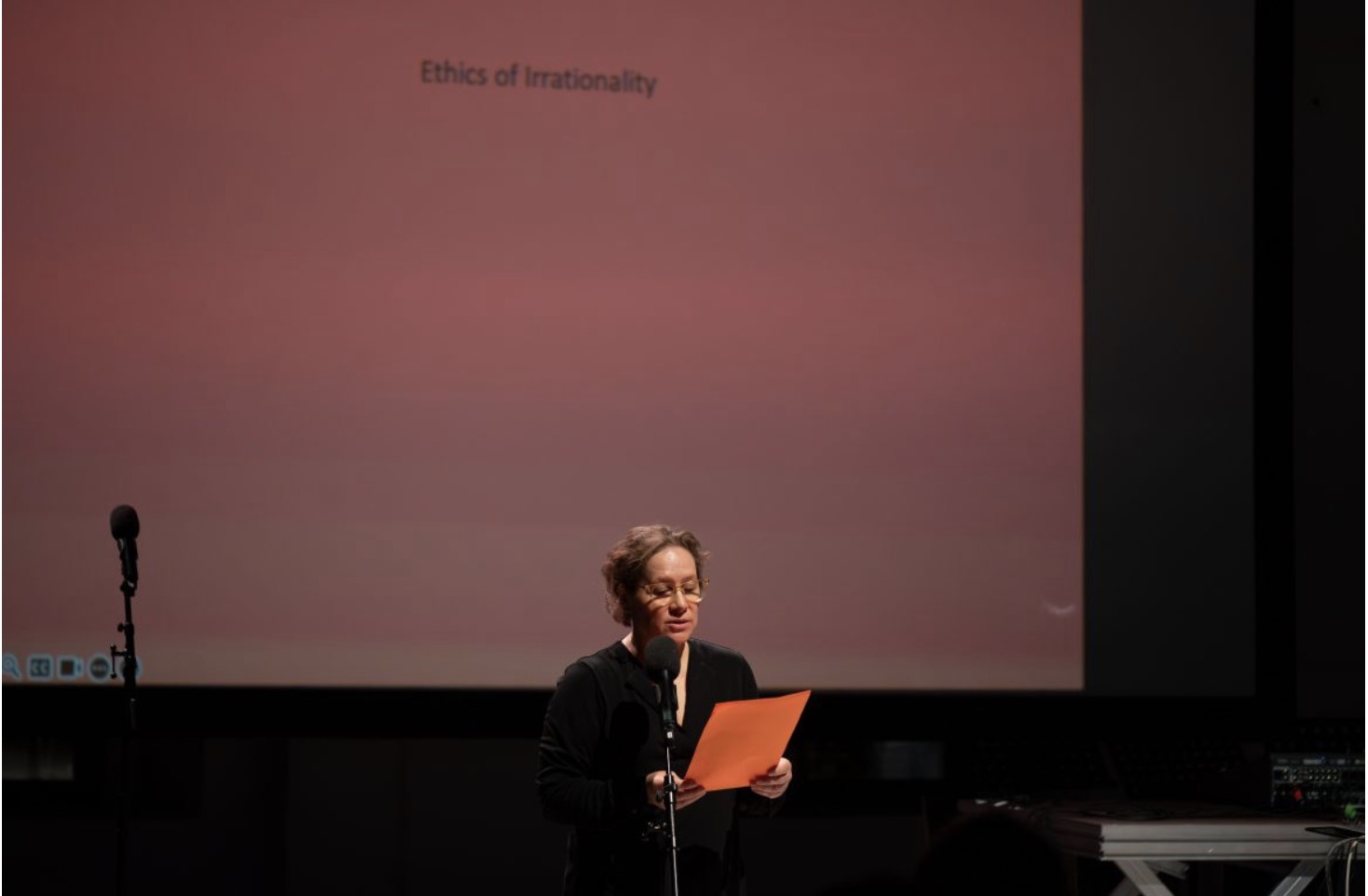

Salomé Voegelin na festivalu TO)pot v ljubljanski Cukrarni. Foto: Blaž Gutman
An interview with Salomé Voegelin on the day of her performative lecture No Signal at the TO)pot Festival of Radical Soundwalking, 23 September 2026. The interview was published in Centralala.
On September 23rd, on the day of her curatorial performance no signal at the TO)pot festival in Ljubljana, we met with the artist, researcher, and writer Salomé Voegelin in the café of Hotel Park. Voegelin is currently based in Berlin, serves as a Professor of Sound at the London College of Communication, University of the Arts London, and also holds an academic role in Bern, Switzerland. Known also for writing text and conceptual scores for music and performance, she has released projects on the Flaming Pines record label, including Cassette Album (2025) and Paint your lips while singing your favourite pop song (2022). She is the author of several influential books exploring the philosophy and politics of sound, including Listening to Noise and Silence: Towards a Philosophy of Sound (2010), Sonic Possible Worlds: Hearing the Continuum of Sound (2014/21), The Political Possibility of Sound: Fragments of Listening (2018), Uncurating Sound: Knowledge with Voice and Hands (2023), and Unperforming the Dream House (2023). In our conversation, we discussed her early formative experiences with sound, her critique of dominant visual object-based knowledge, the concept of the no signal, and the political potential of sonic thinking in contemporary art and academia.
Before we get into your work, I wanted to know if you could tell us something about your upbringing: your family, your early influences, even before school and academia? So what in those kinds of early environments was formative towards who you are now in an intellectual and artistic sense?
Sometimes I find these sort of origin stories really difficult. I don’t think much about how I came to sound, but actually there are, I suppose, formative moments. I was brought up my first nineteen, twenty years in Switzerland, which is an extremely conservative, patriarchal place. I found that more as I moved away from it. My first understanding of maybe not quite seeing the world like others do was when I went to school, and I wasn’t very good at primary school, and I don’t think it was because I was particularly stupid, but I think I really genuinely didn’t quite understand how we had to learn and maybe what we had to learn. I couldn’t quite understand the institution of school and what one was supposed to do there. And one way this manifested itself was when I had to learn the recorder, because you have to either learn the xylophone or the recorder at school …
more in Centralala
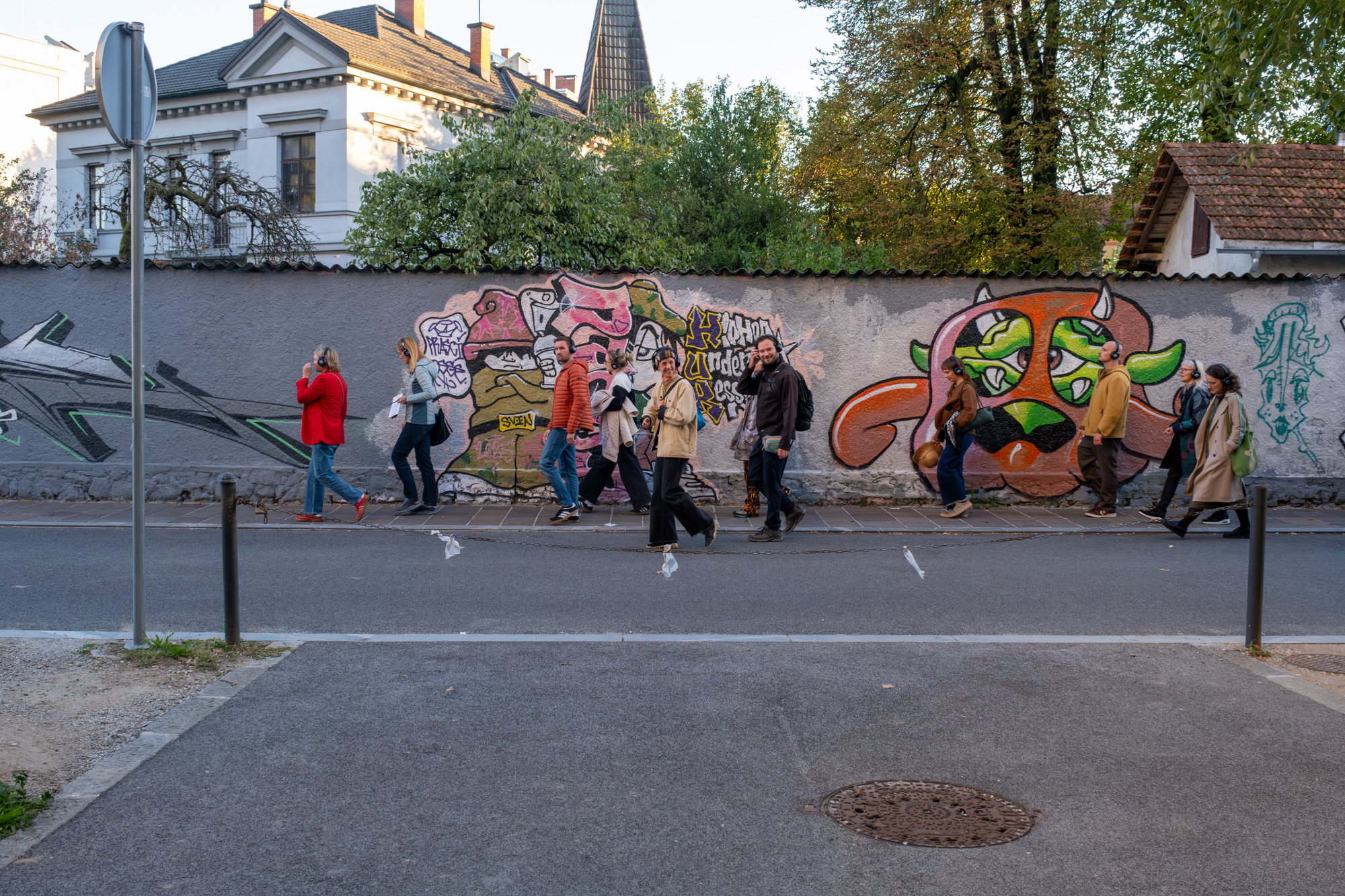 Open Call for the Production of New Sound Walks 2027The sound walk opens up a space for artistic practices that engage with the landscape through listening and walking. We …
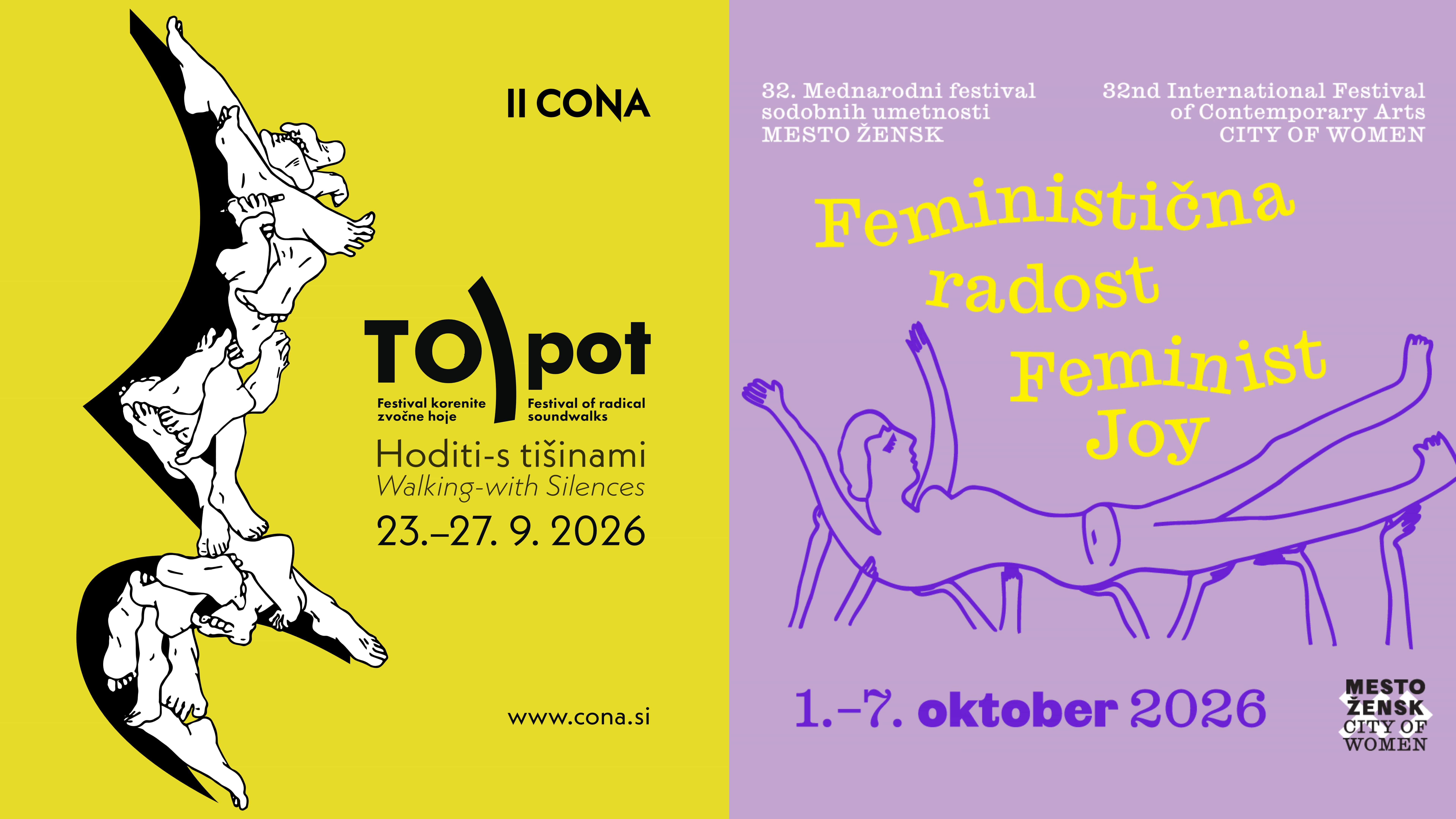 From TO)pot to City of Women: Passing the Festival BatonOn Thursday, 1 October, we will conclude Festival TO)pot 2026 with the ceremonial handover of the festival relay baton t…
 Opening of the TO)pot 2026 Festival: Walking-With SilencesOn Wednesday, 23 September, the sixth edition of the TO)pot festival of radical soundwalks: Walking-with Silences opens …
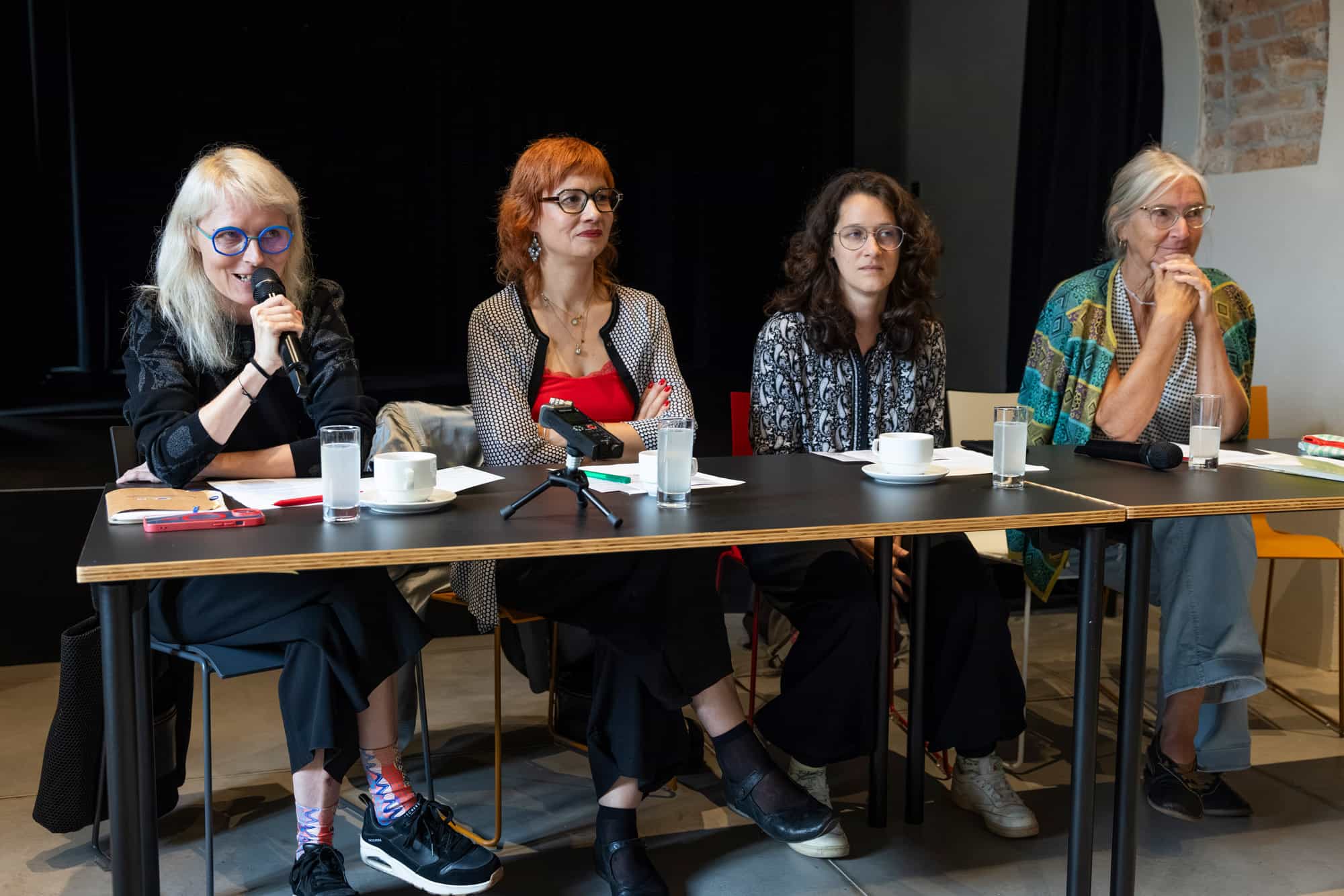 Joint Press Conference of TO)pot and City of WomenOn Thursday, 17 September, we met at BAZA, Ljubljana Youth Centre, for a joint press conference of the TO)pot Festival: …
 GIBALKA: Movement Awareness Workshop for Older Women Working in CultureLocation: Studio Cepetka, Cankarjeva 5, Ljubljana Schedule: Mondays from 18.00 to 19.30 Registration and information: +3…
 Legal Options for the Cultural SectorOn Thursday, 3 September 2026, from 10 am to 12 pm, the public forum Legal Options for the Cultural Sector will take pla…
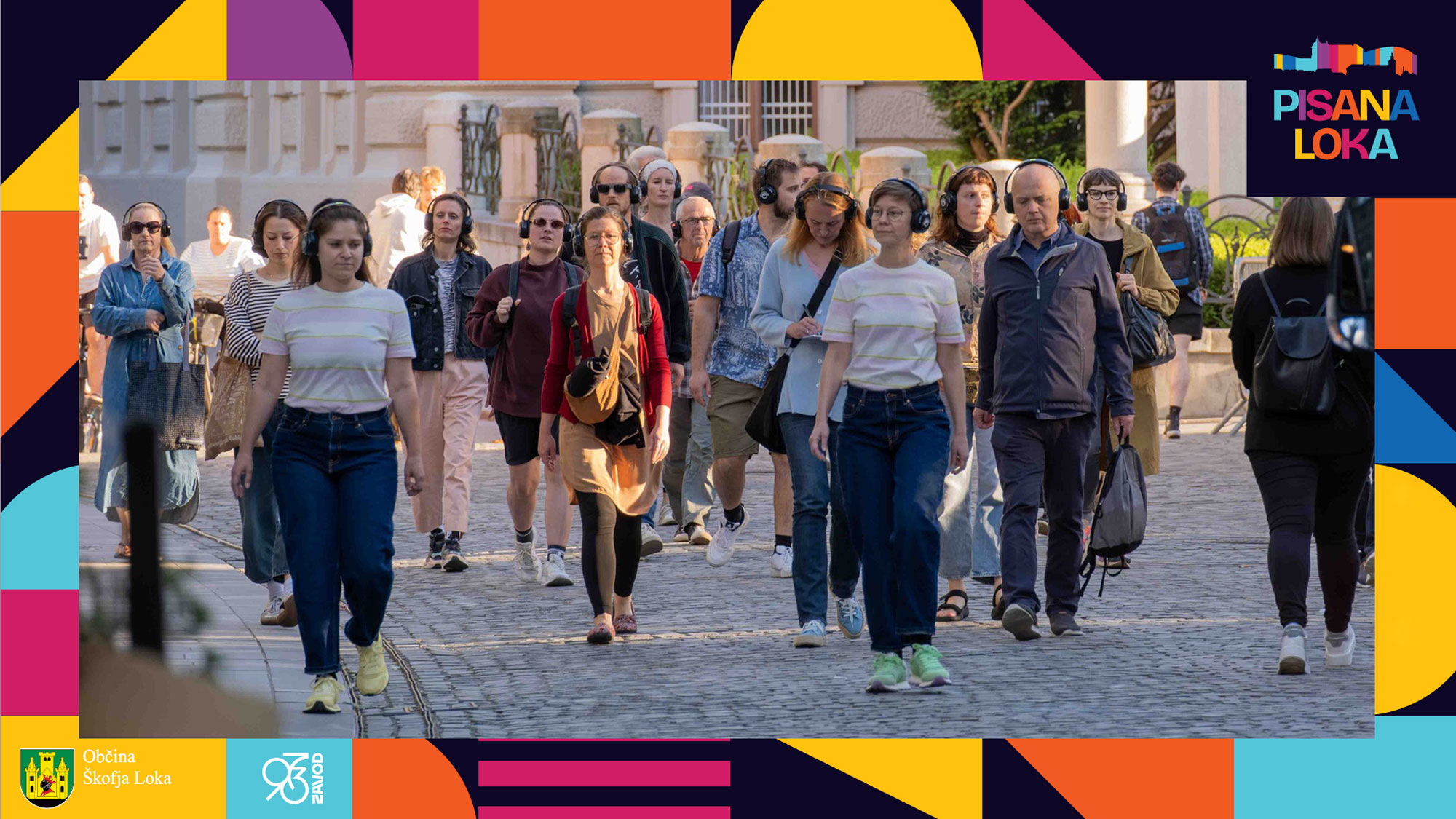 A Special Festival Edition of the Sound Walk Tu, čisto blizu in Škofja LokaOn Saturday, 29 August 2026, a special edition of the participatory sound walk Tu, čisto blizu by Aja Zupanec and Urša S…
 Cona’s Listening Room at the Mladi Levi FestivalAs part of the 29th Mladi Levi International Festival, the Cona’s Listening Room will be open for two days at ŠD T…