tremolo
CURRENT EVENTS


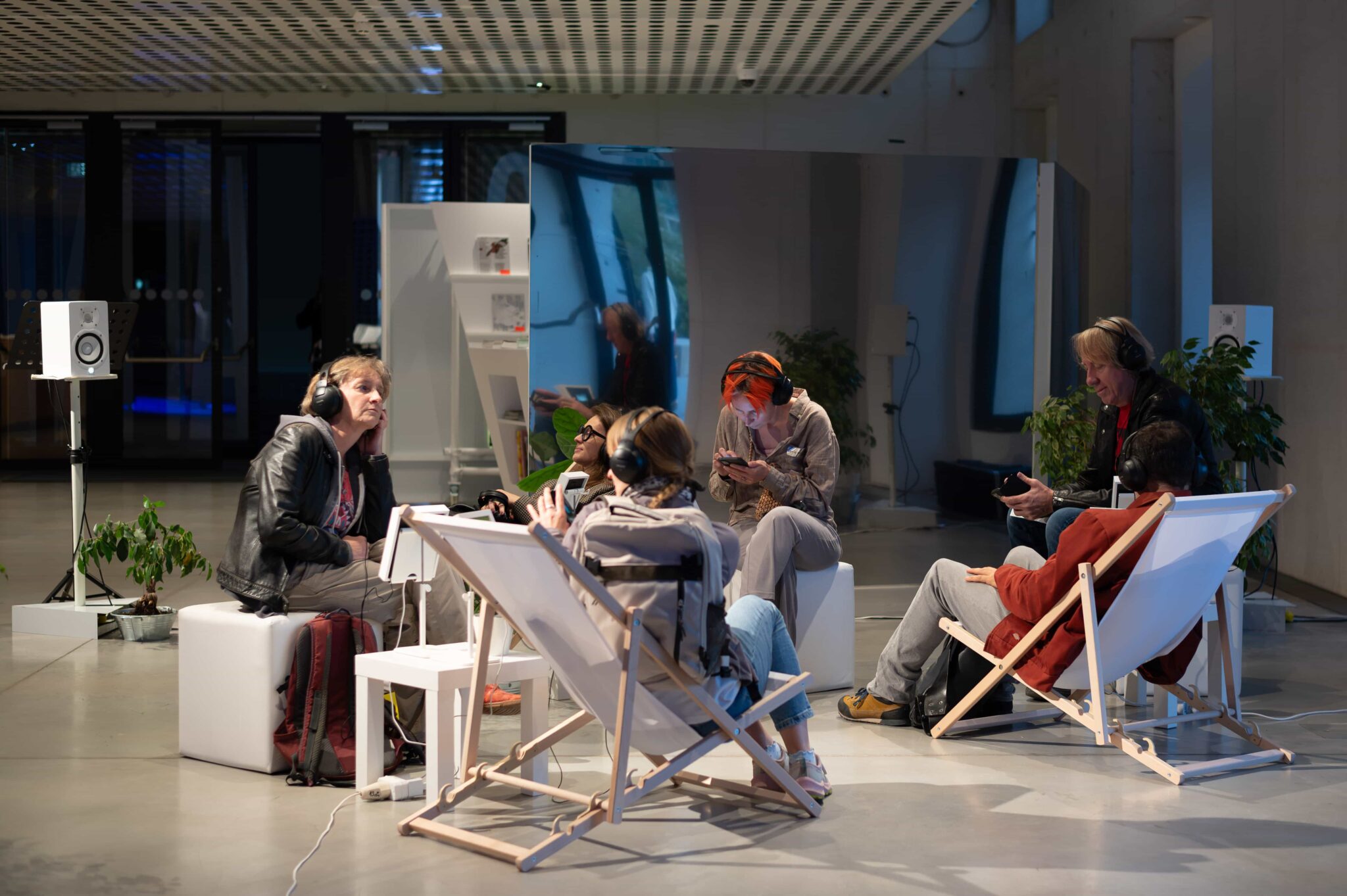
tremolo is an interdisciplinary musical work and haptic installation exploring the vibrational communication of insects. It asks how listening into the micro-world of insects can transform our perception of landscapes, and how landscapes and organisms are entangled in relations of mutual interdependence.
tremolo proposes listening as an ethics of coexistence, revealing subtle, inaudible layers of vibration within natural-cultural landscapes. By turning our attention towards forms of communication that largely escape the human ear, the work invites us to perceive the landscape not as a passive backdrop, but as a living field of interconnected organisms, materials and vibrations.
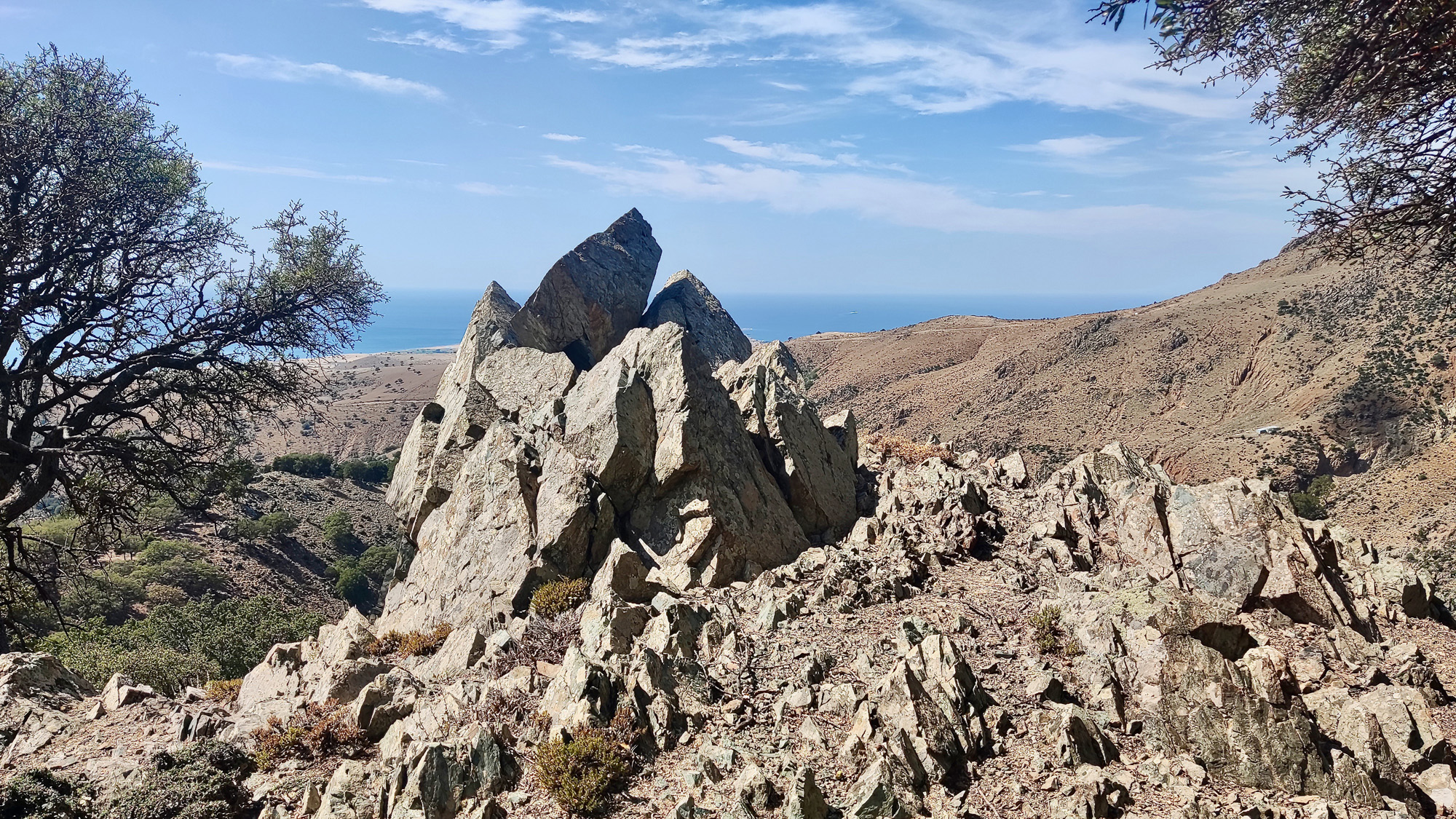
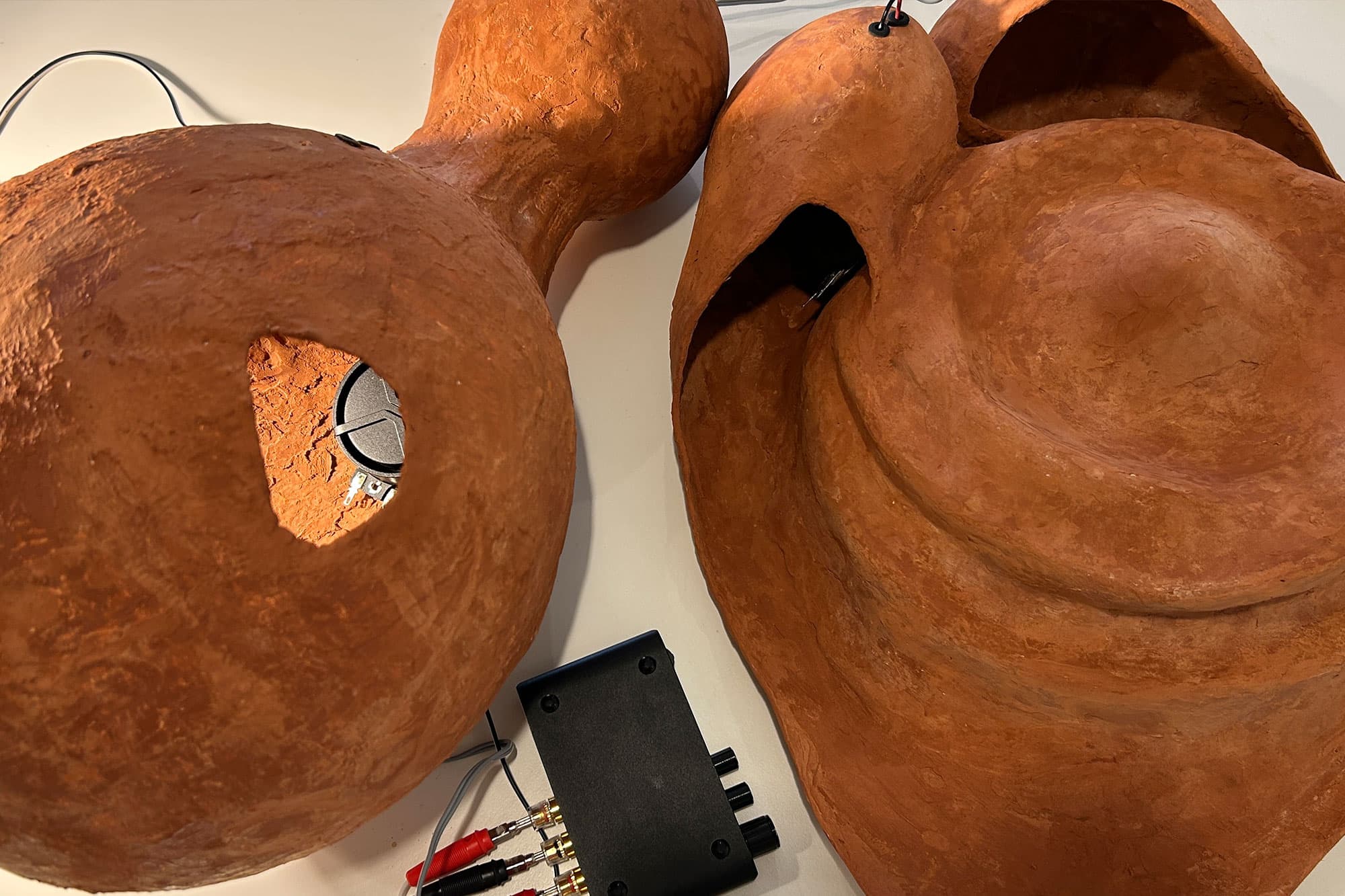
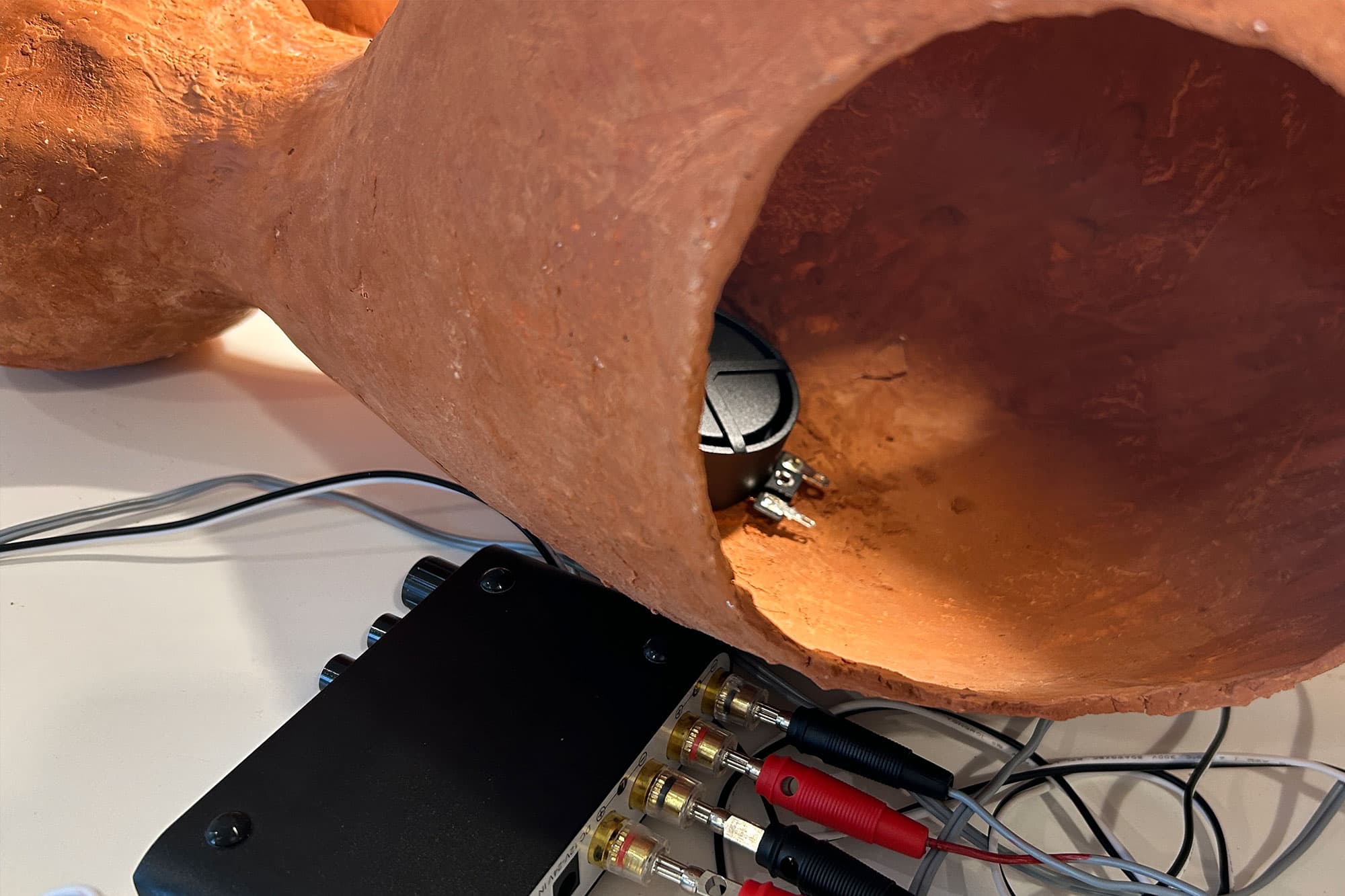
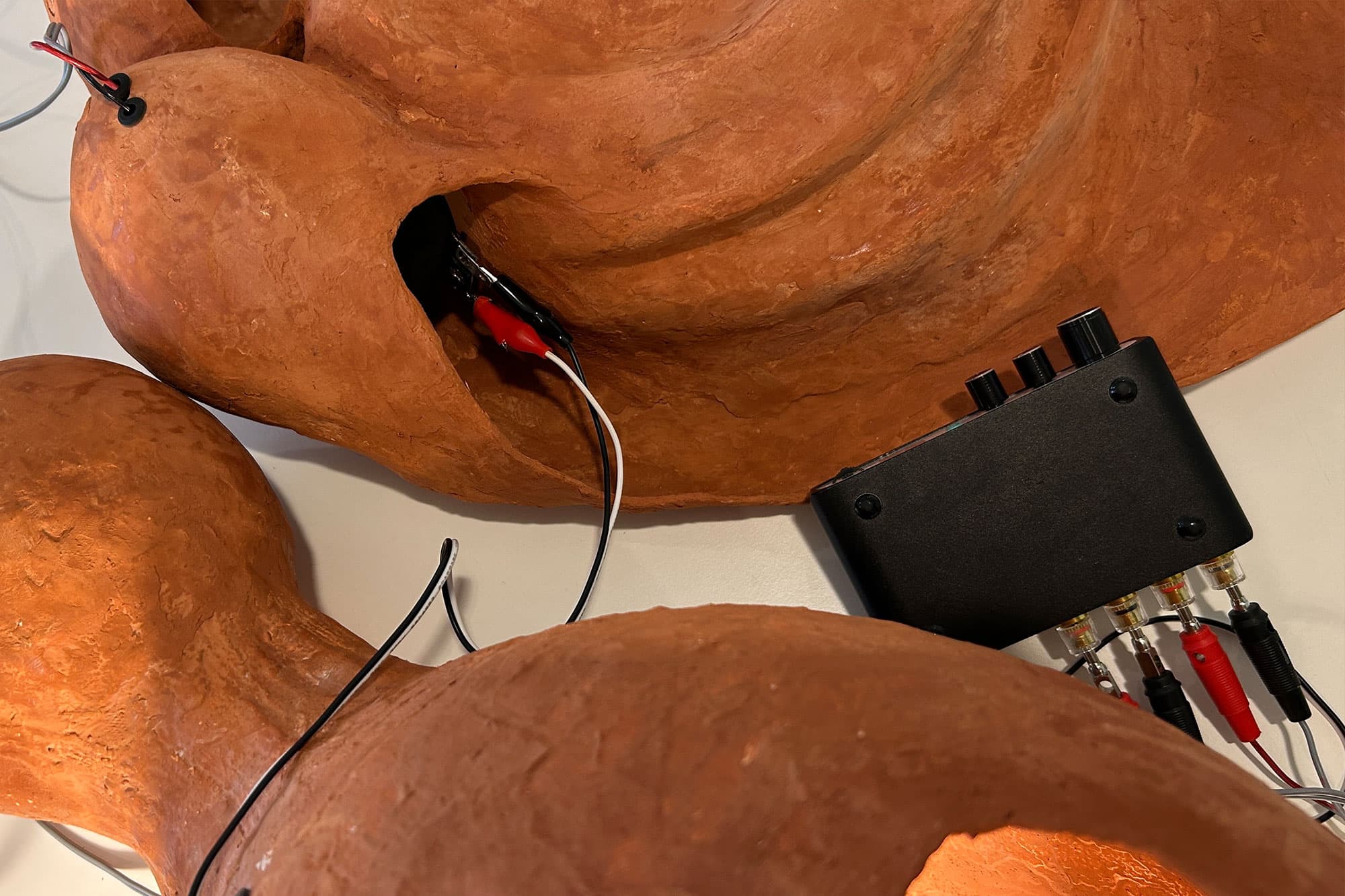
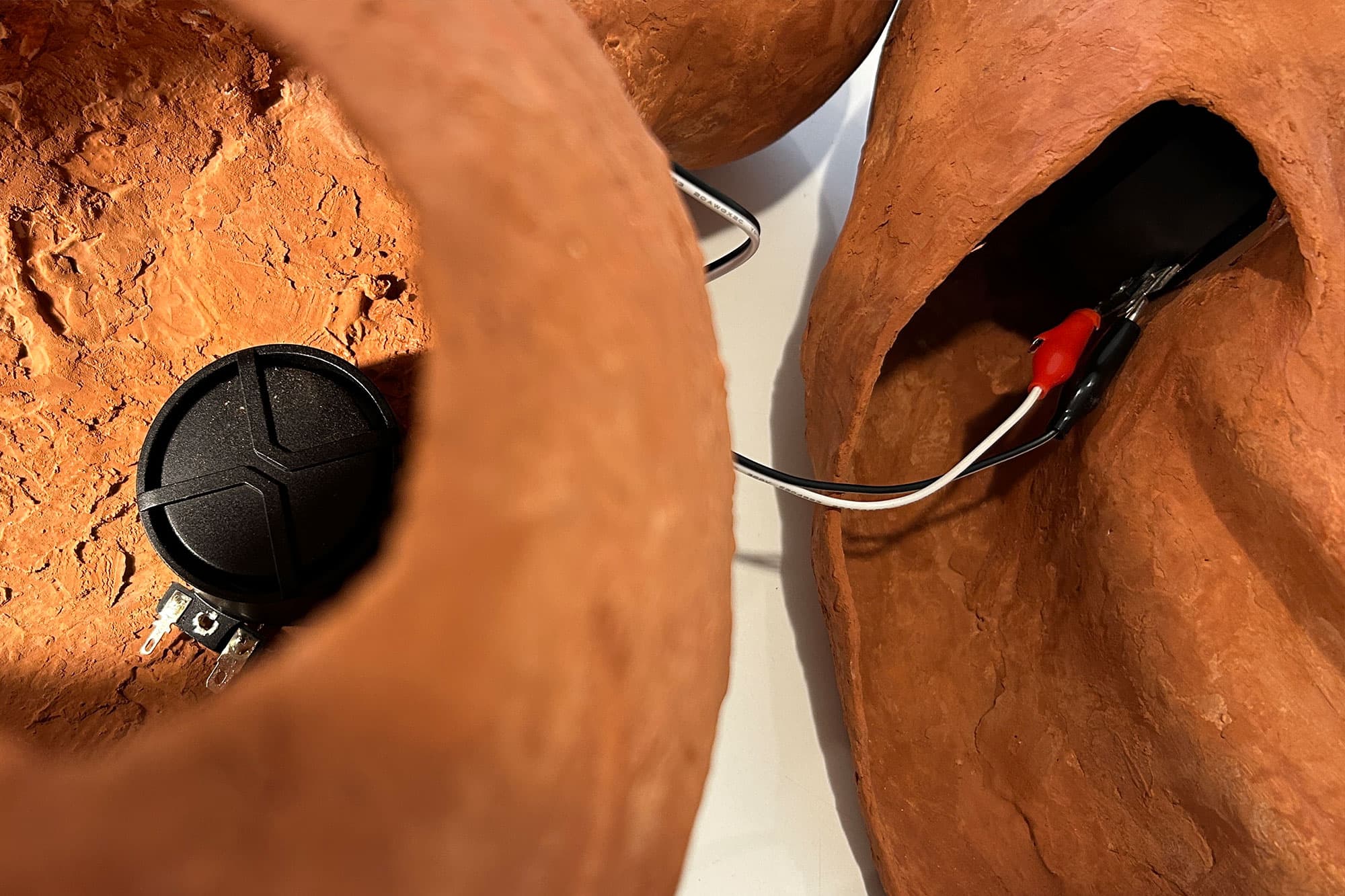
The musical composition is based on recordings made primarily in the landscape of Krater using equipment designed for tremological recording. Through sound transmitted across natural materials, the artists reveal invisible layers of communication that are largely inaudible to human ears. The haptic installation extends this experience into the tactile realm, allowing the vibrations of insects to be encountered through the body.



Blaž Gutman, Irena Pivka
tremolo is an interdisciplinary musical work and haptic installation exploring the vibrational communication of insects. It asks how listening into the micro-world of insects can transform our perception of landscapes, and how landscapes and organisms are entangled in relations of mutual interdependence.
tremolo proposes listening as an ethics of coexistence, revealing subtle, inaudible layers of vibration within natural-cultural landscapes. By turning our attention towards forms of communication that largely escape the human ear, the work invites us to perceive the landscape not as a passive backdrop, but as a living field of interconnected organisms, materials and vibrations.
The musical composition is based on recordings made primarily in the landscape of Krater using equipment designed for tremological recording. Through sound transmitted across natural materials, the artists reveal invisible layers of communication that are largely inaudible to human ears. The haptic installation extends this experience into the tactile realm, allowing the vibrations of insects to be encountered through the body.
Brane Zorman is an intermedia artist, composer, sound manipulator, producer and curator. He creates sound compositions for theatre, intermedia and dance performances, and performs electroacoustic works and spatial sound improvisations in collaboration with both local and international artists. His practice explores the relationship between sound and space through diverse strategies, techniques and interactive modules. He records and reinterprets soundscapes, using advanced tools to craft electronic and acoustic sound sculptures.
Boštjan Perovšek, artist, composer and sound designer known for his experimental electroacoustic music. He specialises in bioacoustic compositions based on animal sounds, particularly those of insects. He collaborates with the groups Jata C and SAETA and creates music for film, theatre, performances, multimedia installations and soundscapes for museums and galleries.
Sculptor working across sculpture, conservation and material research. Her practice often focuses on space, materiality and the boundaries between different forms of perception. She collaborates on sculptural and conservation projects in Slovenia and internationally, as well as with museums and research institutions in the fields of archaeological ceramics and 3D modelling. Her work explores different materials, their properties, and the relationships between material, space and concept.
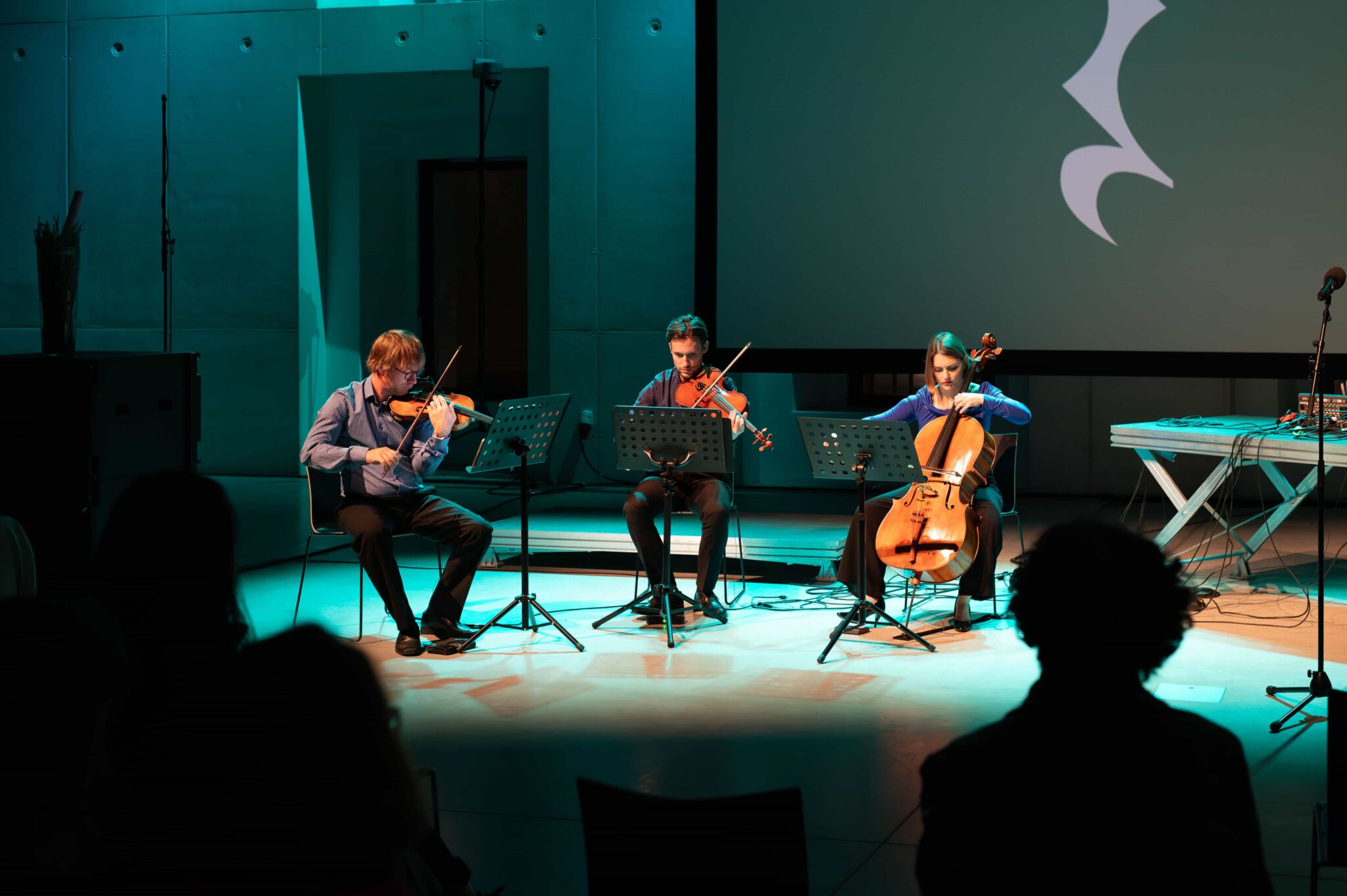
Sound research and musical composition: BBtrem (Boštjan Perovšek, Brane Zorman)
Source recordings: Juan José López Díez and the National Institute of Biology
Live sound performance: BBtrem (Boštjan Perovšek, Brane Zorman)
Haptic sound installation: Paola Korošec, Boštjan Perovšek, Brane Zorman
Video: Matej Tomažin
Partners: National Institute of Biology, Krater (Trajna), Mestna galerija Nova Gorica
Production: Cona, 2026
Supported by: Ministry of Culture of the Republic of Slovenia; City of Ljubljana, Department of Culture; Mestna galerija Nova Gorica