Vltava
The package contains the work description and image material. All performance dates are available in the event calendar.
PAST EVENTS
 24 Sep 2025
 Cukrarna
By playing excerpts from her composition, showing photographs from the journey and presenting her findings, La Pesch translates a 19th-century classical music work into an explorative, contemporary cross-species approach. She focuses on three shifts that have occurred from the time of B. Smetana to the present.
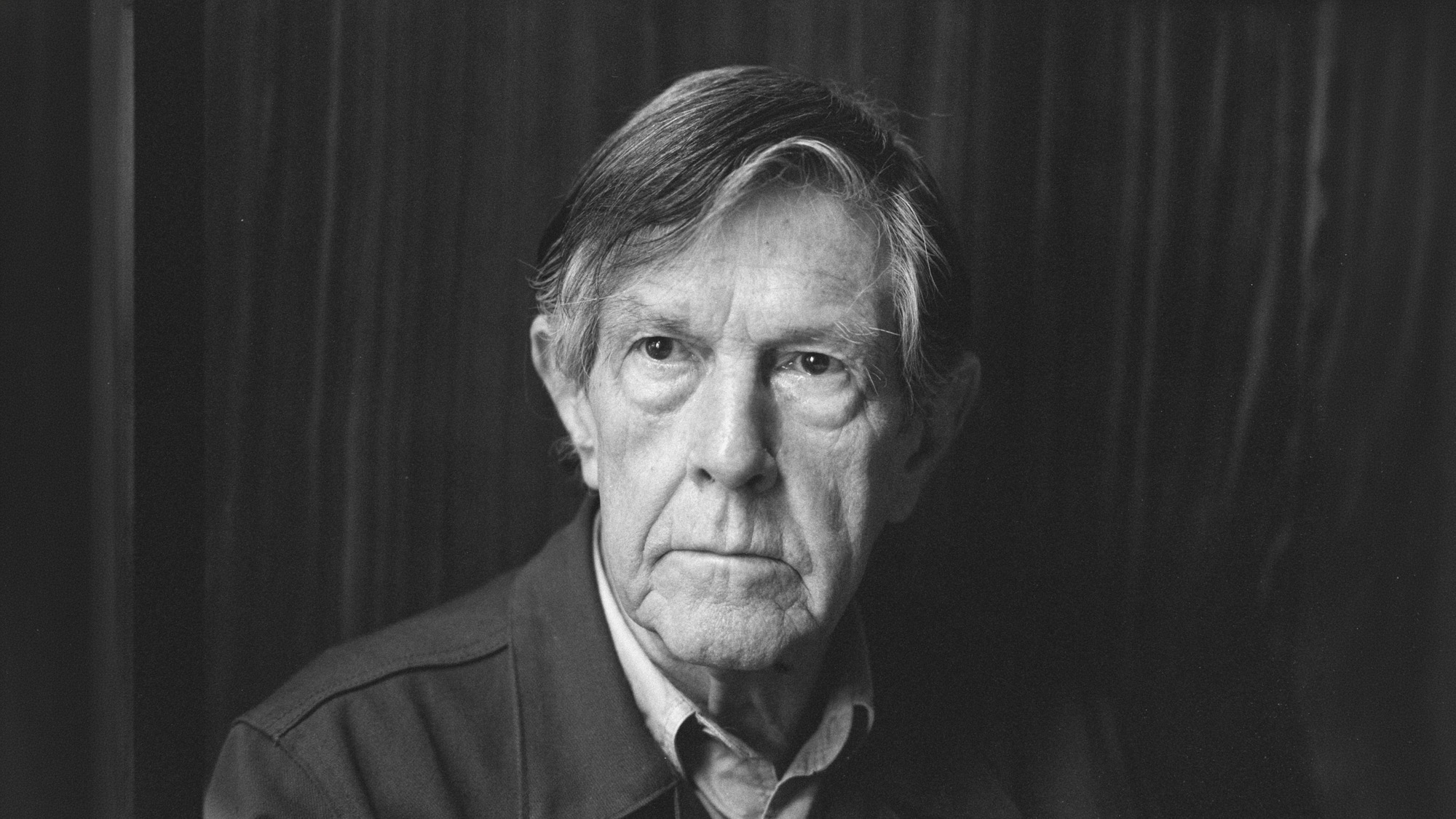
First, she asks what events enabled more open approaches to composition and the inclusion of other-than-human beings in this process. She explores the role of animals in music, starting with the moment when a dog spontaneously joined John Cage on stage in 1952, and reflects on how her own dog influenced her compositional practice.
She then illustrates the differences between composing orchestral music with a programmatic agenda and composing with field recordings by comparing her work to Smetana’s original composition.
Finally, she proposes a necessary narrative shift within musique concrète, acoustic ecology and field recording, arguing that the inevitably biased artist is always present in any engagement with an environment, and that this specific perspective must be made explicit in order to be questioned.


Matej Tomažin
By playing excerpts from her composition, showing photographs from the journey and presenting her findings, La Pesch translates a 19th-century classical music work into an explorative, contemporary cross-species approach. She focuses on three shifts that have occurred from the time of B. Smetana to the present.
First, she asks what events enabled more open approaches to composition and the inclusion of other-than-human beings in this process. She explores the role of animals in music, starting with the moment when a dog spontaneously joined John Cage on stage in 1952, and reflects on how her own dog influenced her compositional practice.
She then illustrates the differences between composing orchestral music with a programmatic agenda and composing with field recordings by comparing her work to Smetana’s original composition.
Finally, she proposes a necessary narrative shift within musique concrète, acoustic ecology and field recording, arguing that the inevitably biased artist is always present in any engagement with an environment, and that this specific perspective must be made explicit in order to be questioned.
She works as a sound and voice artist, author, director and curator in the fields of radio, composition, installation, performance and the walking arts. Her works oscillate between narration and sound.
Photo: Matej Tomažin
The package contains the work description and image material. All performance dates are available in the event calendar.