(De)coloniality of Sensing
PAST EVENTS
 24 Sep 2025
 Cukrarna
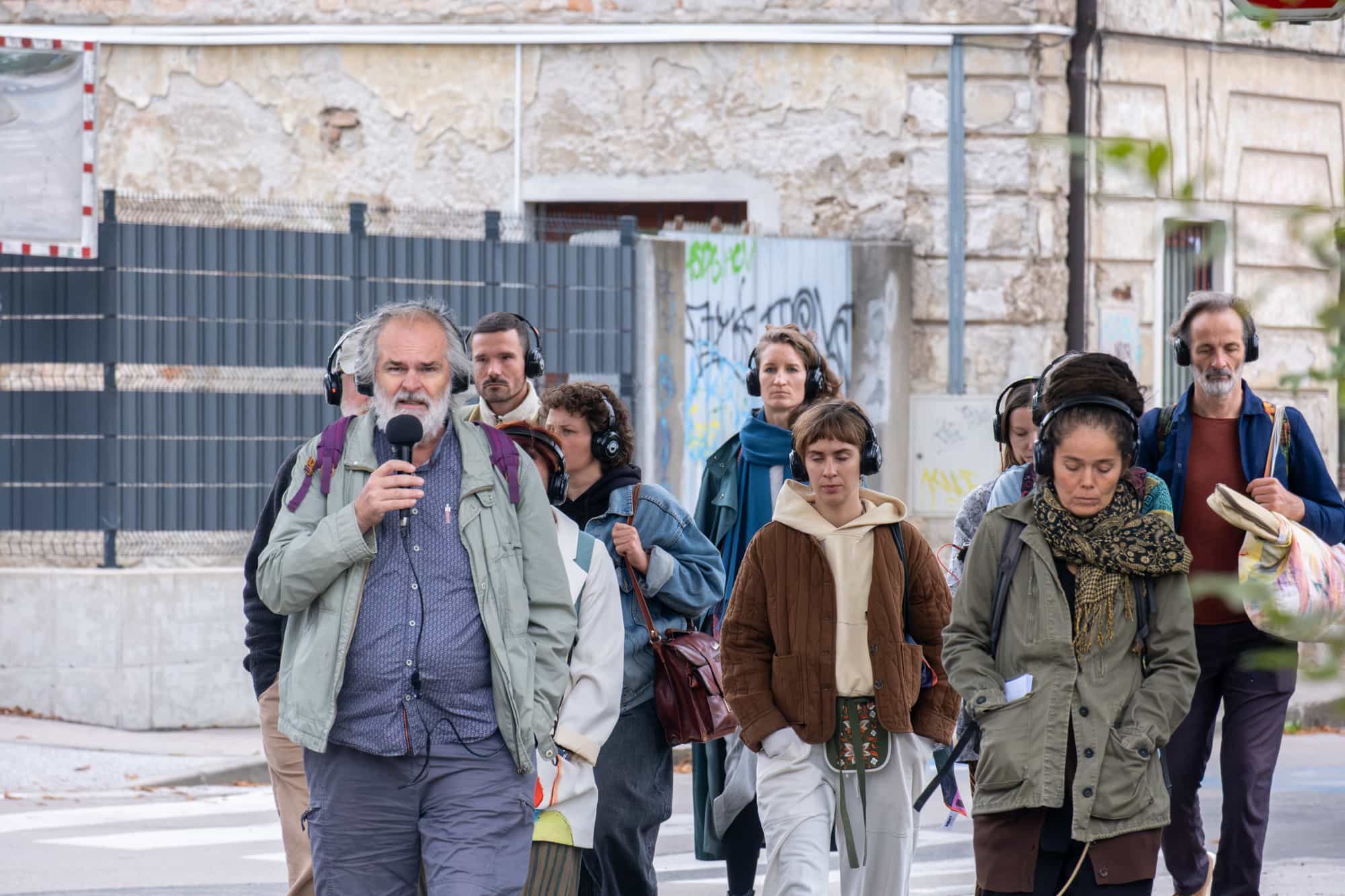
Coloniality of sensing informs modern colonial ways of worlding, leading to the reinstatement of the nature–culture divide and the predominance of visuality and representation over other modes of perception and engagement such as sound, smell or touch. A growing number of critical artistic practices attempt decolonial forms of re-existence through aesthesis, revitalising marginalised affective impulses and foregrounding intertwined ecocritical concerns alongside critiques of technological coloniality.
These shifts challenge and expand traditional decolonial agendas towards a more comprehensive critical outlook that seeks to address the complexity of the crisis we inhabit.


Matej Tomažin
Coloniality of sensing informs modern colonial ways of worlding, leading to the reinstatement of the nature–culture divide and the predominance of visuality and representation over other modes of perception and engagement such as sound, smell or touch. A growing number of critical artistic practices attempt decolonial forms of re-existence through aesthesis, revitalising marginalised affective impulses and foregrounding intertwined ecocritical concerns alongside critiques of technological coloniality.
These shifts challenge and expand traditional decolonial agendas towards a more comprehensive critical outlook that seeks to address the complexity of the crisis we inhabit.
A feminist thinker and fiction writer, and professor of gender studies at Linköping University. Her research interests include decoloniality, the post-socialist human condition and critical future studies.
Photo: Matej Tomažin