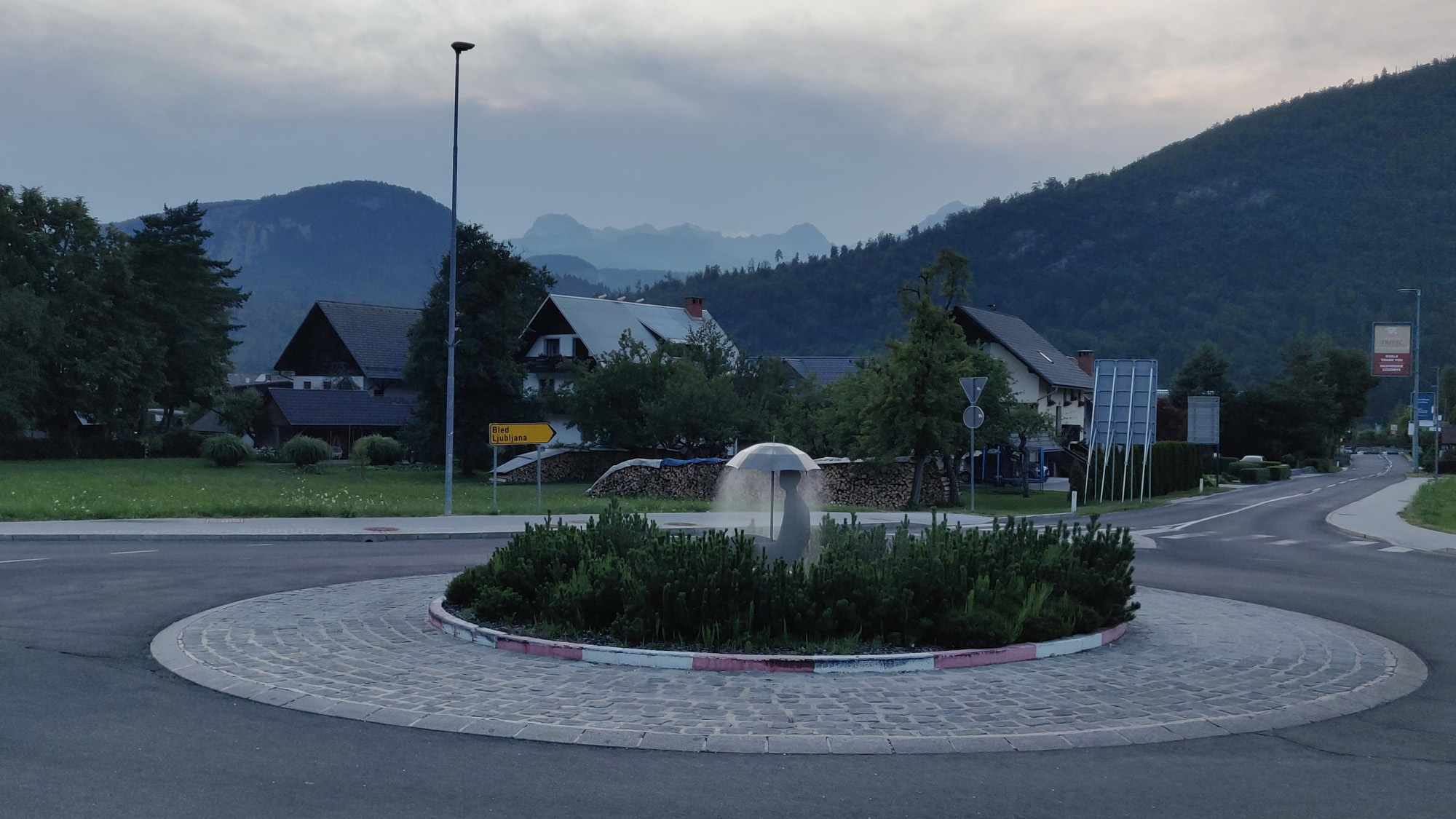
Sound Walking in the Anthropocene
PAST EVENTS
 7 Sep 2021
 on-line (walklistencreate.org)
 Free
FreeSound artist Anne Cecilie Lie invites a discussion around sound walking in the Anthropocene. She raises questions about global technology and ecology and how they affect artistic practices working with locative technologies and smartphones. She is interested in the importance of other, non-human perspectives and senses of scale, as well as in avoiding the over-aestheticization of a “serene nature” as opposed to the chaotic, dark and grey nature of ecology of which humans and more-than-human beings alike are a part.
The discussion also addresses her 8-channel sound composition (dis)solutions II, created for Steklenik Gallery.


Claudia Lucacel
Sound artist Anne Cecilie Lie invites a discussion around sound walking in the Anthropocene. She raises questions about global technology and ecology and how they affect artistic practices working with locative technologies and smartphones. She is interested in the importance of other, non-human perspectives and senses of scale, as well as in avoiding the over-aestheticization of a “serene nature” as opposed to the chaotic, dark and grey nature of ecology of which humans and more-than-human beings alike are a part.
The discussion also addresses her 8-channel sound composition (dis)solutions II, created for Steklenik Gallery.
Artist and scenographer based in Oslo, Norway. Her practice spans sound, sculpture, bio-art, installations, video and text. She frequently develops projects in collaboration with other artists and through scientific research, working with educational institutions and local communities. In 2019, she received the first prize at the Sound Walk September festival.
Photo: Claudia Lucacel
Main speaker: Anne Cecilie Lie
Moderator: Geert Vermeire
Organization: Irena Pivka, Katarina Radaljac
Cover photo: Claudia Lucacel
Production: walk · listen · create
In collaboration: Cona, Institute for Contemporary Arts Processing
Part of the festival: Sound Walk City · prelude
Sound Walk City · prelude was initiated by the walk · listen · create platform in collaboration with the Cona Institute. The Ljubljana edition is produced by the Cona Institute, Steklenik Gallery.