After this year’s SO.UND.ING Acousmonium INput
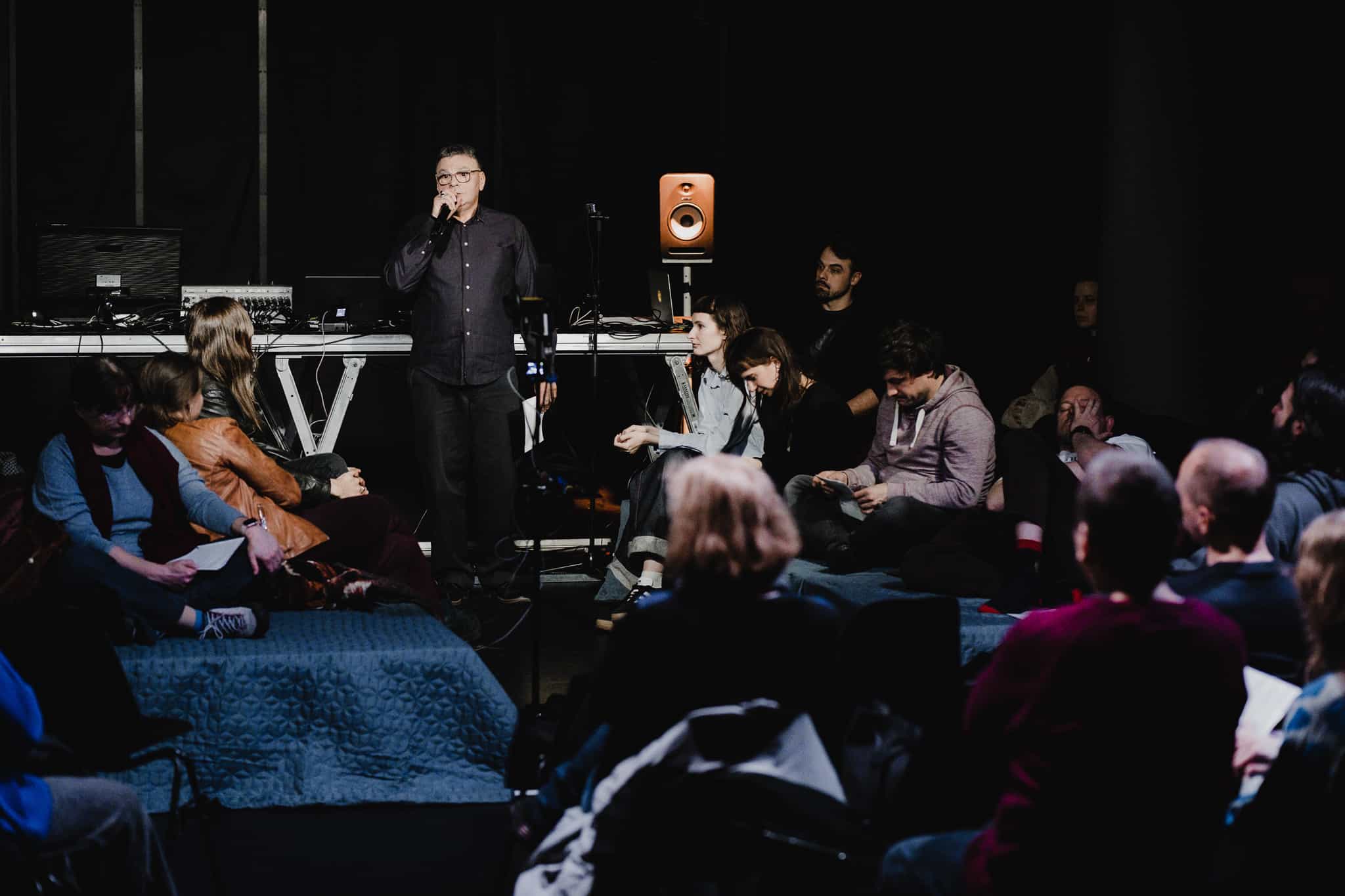
This year’s SO.UND.ING Acousmonium INput, which took place at Kino Šiška on 16 and 17 March 2026, once again established a space for deep, focused and intense listening. Over the course of two evenings of acousmatic concerts, accompanied by a workshop, Komuna Hall was transformed into an octophonic environment in which sound functioned simultaneously as composition, movement and spatial experience.
This year’s programme brought together works by Armando Balice, Sophie Delafontaine, Andrej Kobal, Tetiana Khoroshun, Patrick K.-H., Tilen Lebar, Diego Losa, Alastair McNeill, Enrique Mendoza Mejia, Maja Osojnik, Christopher Sturmer, Qingqing Teng, Mauricio Valdés San Emeterio, and Brane Zorman. The curatorial selection by Brane Zorman and Patrick K.-H. once again connected reference electroacoustic compositions, current authorial practices, and several new or premiere presentations.
One of Akuzmonij’s key dimensions remains the way it shapes the conditions for listening. At a time of fragmented attention and rapid content consumption, the festival insists on an experience grounded in concentration, duration, and precise perception. The spatial arrangement of loudspeakers, together with the live performance and interpretation of the works, allows the compositions to unfold not only as temporal structures, but as sonic events that orient the listener in space, immerse them within it, and guide them through different modes of perception.
An important part of this year’s edition was also the workshop led by Diego Losa, entitled Composing and Mastering for Octophonic Sound Systems with GRM Tools Spaces, which further opened the festival as a space of professional exchange and knowledge transfer. In this way, Akuzmonij remains not only a concert platform, but also a setting for encounters between artistic, technical, and research-based approaches to spatial sound art.
Today, SO.UND.ING Acousmonium is recognized as Slovenia’s leading continuous platform for the development and presentation of acousmatic and spatial sound art. Its significance lies not only in presenting Slovenian and international authors, but also in establishing a space where listening takes shape as a cultural practice, as a mode of orientation, and as a possibility for a different relationship to sound, space, and time.
This year’s edition was also conceptually connected to the first edition of the ELX Triptih event in Lendava, thereby expanding the festival’s framework into a broader context of electroacoustic and spatial sound art, as well as further connecting artists, works, and audiences.
Among the responses published so far on this year’s Akuzmonij, we would particularly like to highlight the review by Lea Brinovec for SIGIC, as well as the Arsov art atelje programme featuring a conversation between Primož Trdan and Brane Zorman, the festival’s co-curator.
You can return to this year’s edition through the archive, photographs, programme materials, and published responses, which preserve its traces and open up further paths of listening.

Maša Pirc, Kino Šiška archive
This year’s SO.UND.ING Acousmonium INput, which took place at Kino Šiška on 16 and 17 March 2026, once again established a space for deep, focused and intense listening. Over the course of two evenings of acousmatic concerts, accompanied by a workshop, Komuna Hall was transformed into an octophonic environment in which sound functioned simultaneously as composition, movement and spatial experience.
This year’s programme brought together works by Armando Balice, Sophie Delafontaine, Andrej Kobal, Tetiana Khoroshun, Patrick K.-H., Tilen Lebar, Diego Losa, Alastair McNeill, Enrique Mendoza Mejia, Maja Osojnik, Christopher Sturmer, Qingqing Teng, Mauricio Valdés San Emeterio, and Brane Zorman. The curatorial selection by Brane Zorman and Patrick K.-H. once again connected reference electroacoustic compositions, current authorial practices, and several new or premiere presentations.
One of Akuzmonij’s key dimensions remains the way it shapes the conditions for listening. At a time of fragmented attention and rapid content consumption, the festival insists on an experience grounded in concentration, duration, and precise perception. The spatial arrangement of loudspeakers, together with the live performance and interpretation of the works, allows the compositions to unfold not only as temporal structures, but as sonic events that orient the listener in space, immerse them within it, and guide them through different modes of perception.
An important part of this year’s edition was also the workshop led by Diego Losa, entitled Composing and Mastering for Octophonic Sound Systems with GRM Tools Spaces, which further opened the festival as a space of professional exchange and knowledge transfer. In this way, Akuzmonij remains not only a concert platform, but also a setting for encounters between artistic, technical, and research-based approaches to spatial sound art.
Today, SO.UND.ING Acousmonium is recognized as Slovenia’s leading continuous platform for the development and presentation of acousmatic and spatial sound art. Its significance lies not only in presenting Slovenian and international authors, but also in establishing a space where listening takes shape as a cultural practice, as a mode of orientation, and as a possibility for a different relationship to sound, space, and time.
This year’s edition was also conceptually connected to the first edition of the ELX Triptih event in Lendava, thereby expanding the festival’s framework into a broader context of electroacoustic and spatial sound art, as well as further connecting artists, works, and audiences.
Among the responses published so far on this year’s Akuzmonij, we would particularly like to highlight the review by Lea Brinovec for SIGIC, as well as the Arsov art atelje programme featuring a conversation between Primož Trdan and Brane Zorman, the festival’s co-curator.
You can return to this year’s edition through the archive, photographs, programme materials, and published responses, which preserve its traces and open up further paths of listening.
 Open Call for the Production of New Sound Walks 2027The sound walk opens up a space for artistic practices that engage with the landscape through listening and walking. We …
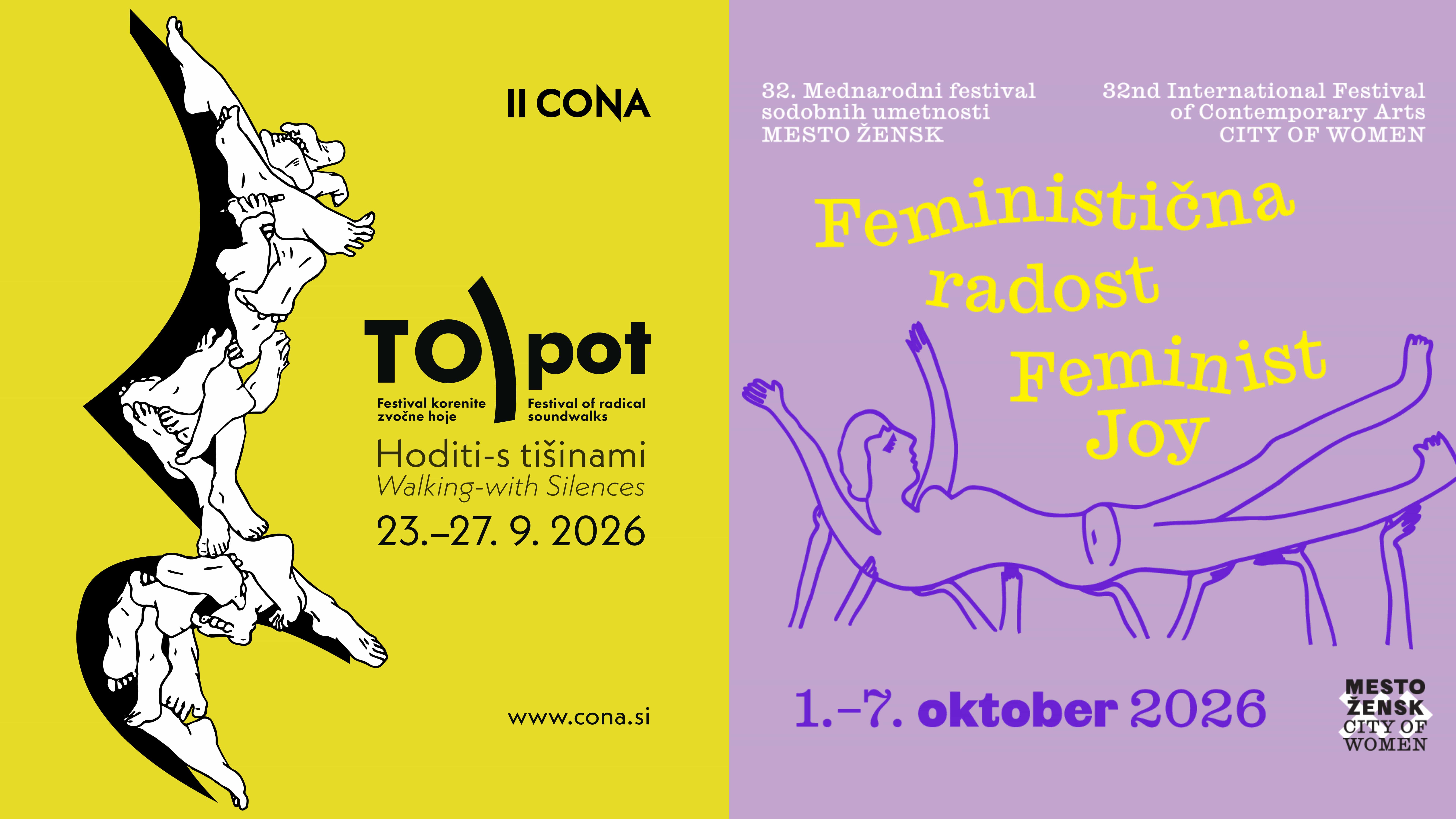 On Thursday, 1 October, we will conclude Festival TO)pot 2026 with the ceremonial handover of the festival relay baton t…
 Opening of the TO)pot 2026 Festival: Walking-With SilencesOn Wednesday, 23 September, the sixth edition of the TO)pot festival of radical soundwalks: Walking-with Silences opens …
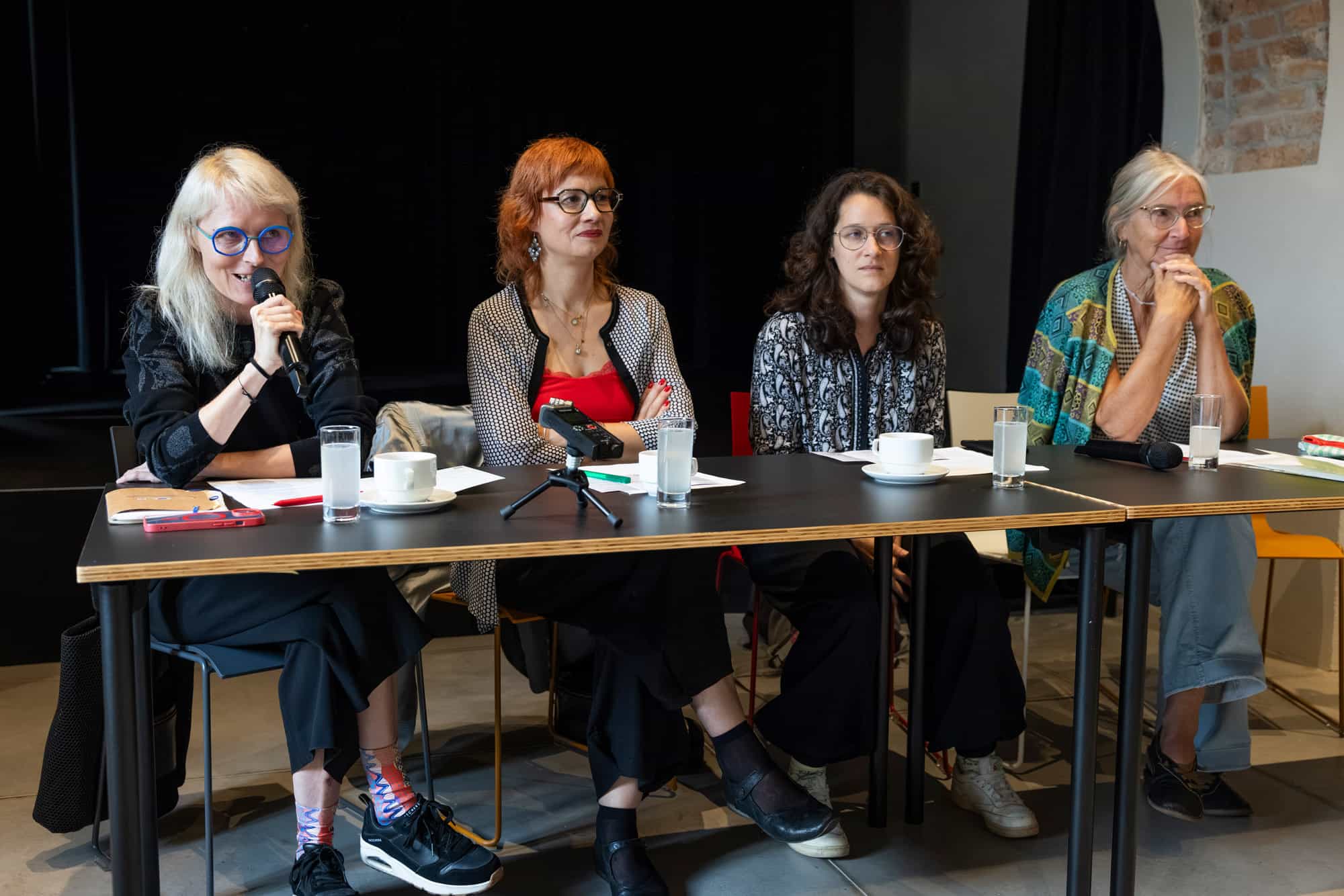 Joint Press Conference of TO)pot and City of WomenOn Thursday, 17 September, we met at BAZA, Ljubljana Youth Centre, for a joint press conference of the TO)pot Festival: …
 GIBALKA: Movement Awareness Workshop for Older Women Working in CultureLocation: Studio Cepetka, Cankarjeva 5, Ljubljana Schedule: Mondays from 18.00 to 19.30 Registration and information: +3…
 Legal Options for the Cultural SectorOn Thursday, 3 September 2026, from 10 am to 12 pm, the public forum Legal Options for the Cultural Sector will take pla…
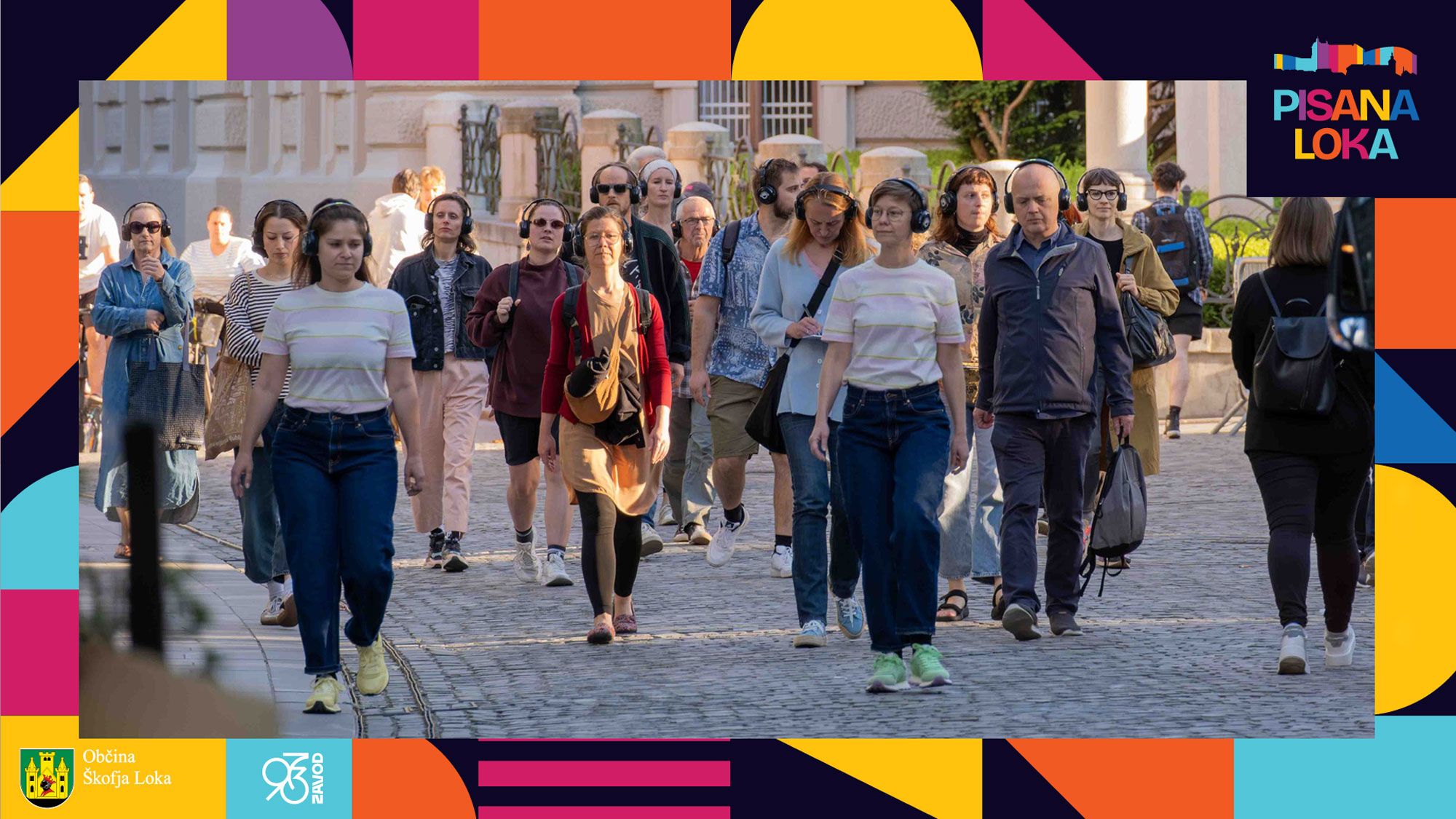 A Special Festival Edition of the Sound Walk Tu, čisto blizu in Škofja LokaOn Saturday, 29 August 2026, a special edition of the participatory sound walk Tu, čisto blizu by Aja Zupanec and Urša S…
 Cona’s Listening Room at the Mladi Levi FestivalAs part of the 29th Mladi Levi International Festival, the Cona’s Listening Room will be open for two days at ŠD T…
 Opening of Jaka Ivančič’s Photography Exhibition: Salt Is the Memory of the SeaOn Wednesday, 17 June 2026, at 20:00, the Arkade Bernardin open-air gallery will host the opening of Jaka Ivančič’s phot…
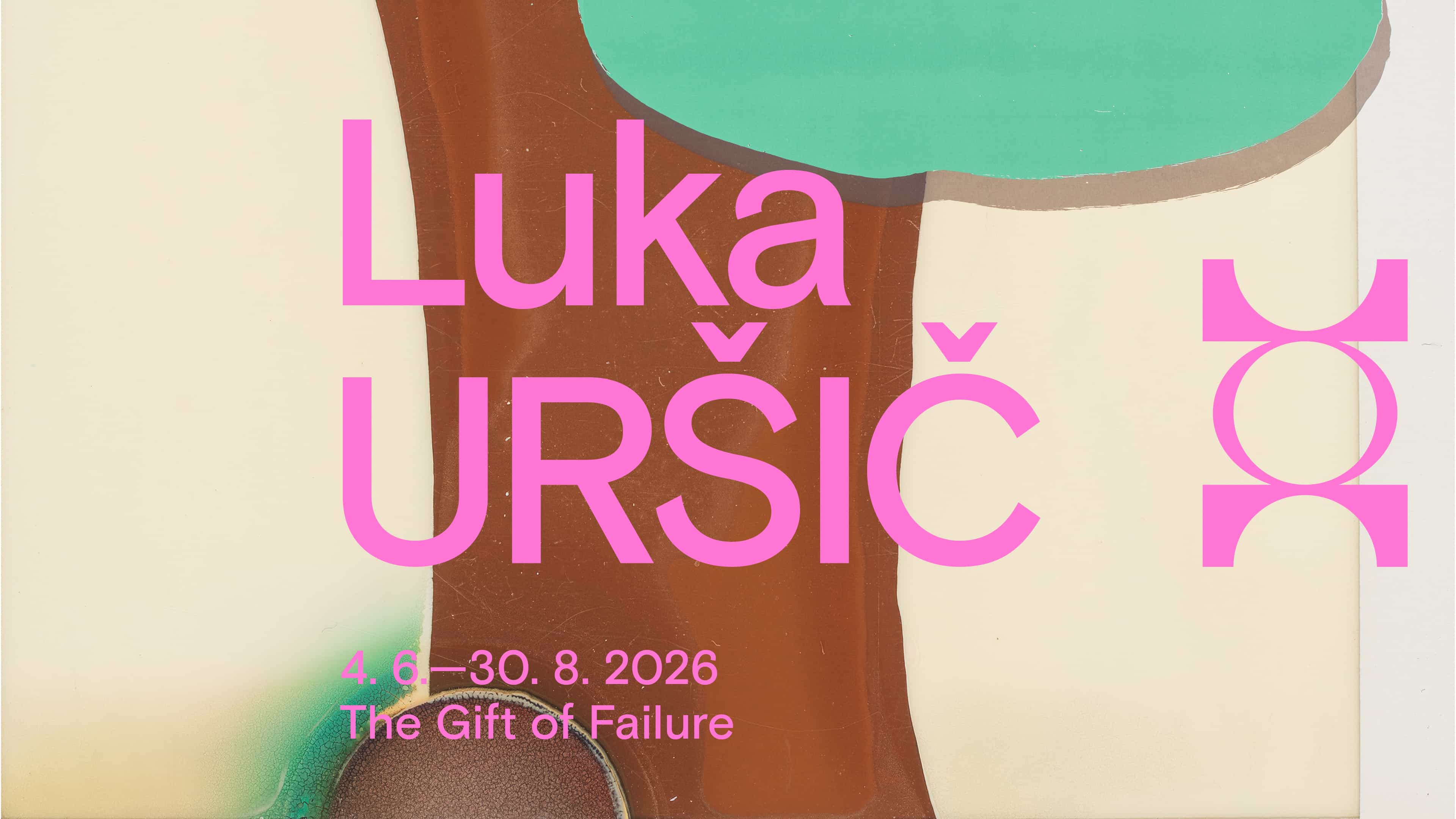 Kalu [Luka Uršič] invites visitors of the sound walk Pod(hod) to the opening of his exhibition The Gift of FailureAs part of the Season Walks programme, we invite you on Thursday, 4 June 2026, at 18:00 to the sound walk Pod(hod)by Kal…