garden GOround
PAST EVENTS
 22 Nov 2025
 meeting point: Carinarnica, Nova Gorica
 Free20 Jun 2025Tomšičev drevored, LjubljanaFree18 Jun 2025Tomšičev drevored, LjubljanaFree25 Nov 2024Tomšičev drevored, LjubljanaFree24 Nov 2024Tomšičev drevored, LjubljanaFree30 Sep 2024Apollonia (Strasbourg)Free30 Sep 2024Apollonia (Strasbourg)Free29 Sep 2024Apollonia (Strasbourg)Free29 Sep 2024Apollonia (Strasbourg)Free28 Sep 2024Apollonia (Strasbourg)Free28 Sep 2024Apollonia (Strasbourg)Free22 Sep 2024Tomšičev drevored, LjubljanaFree11 Sep 2024Tomšičev drevored, Muzejska StFree11 Sep 2024Tomšičev drevored, LjubljanaFree27 Aug 2024Tomšičev drevored, Muzejska StFree27 Aug 2024Tomšičev drevored, LjubljanaFree2 Jul 2024Tomšičev drevored, LjubljanaFree29 Sep 2023Valvasor ParkFree29 Sep 2023Valvasor Park (Ljubljana)Free20 Jul 2023Apollonia (Strasbourg)Free19 Jul 2023Apollonia (Strasbourg)Free18 Jul 2023Apollonia (Strasbourg)Free17 Jul 2023Apollonia (Strasbourg)Free16 Jul 2023Apollonia (Strasbourg)Free2 Jul 2023Apollonia (Strasbourg)Free1 Jul 2023Apollonia (Strasbourg)Free25 Jun 2023Teatri ODA (Pristina)Free24 Jun 2023Teatri ODA (Pristina)Free
The speculative story of the soundwalk performance garden GOround points to the problematic relationship between people and plants, which is geared to mainly benefit people. The colonialism itself and the human-mediated dispersal of plants capitalize on the subjection and exploitation of nature. It is vital to radically change this attitude if we want to deal effectively with the existential threat of ecological crisis and contemplate a brighter scenario for the future. To become more familiar with the world of plants, garden GOroundgoes into the temporal dimension. Through the prism of the journeys of these two utterly different temporalities of humans and plants, seemingly offering no possible point of encounter, it speculates on the development of a future solidarity-based coexistence of humans and plants. Plants, the most populous species on the planet, live at their own pace in their own time, walking the paths we cannot access. garden GOround will take us along the paths of a possible future scenario for our overstressed, noisy planet mirrored through the development of local greenways. Can we learn from plants to build a more solidarity-oriented future?
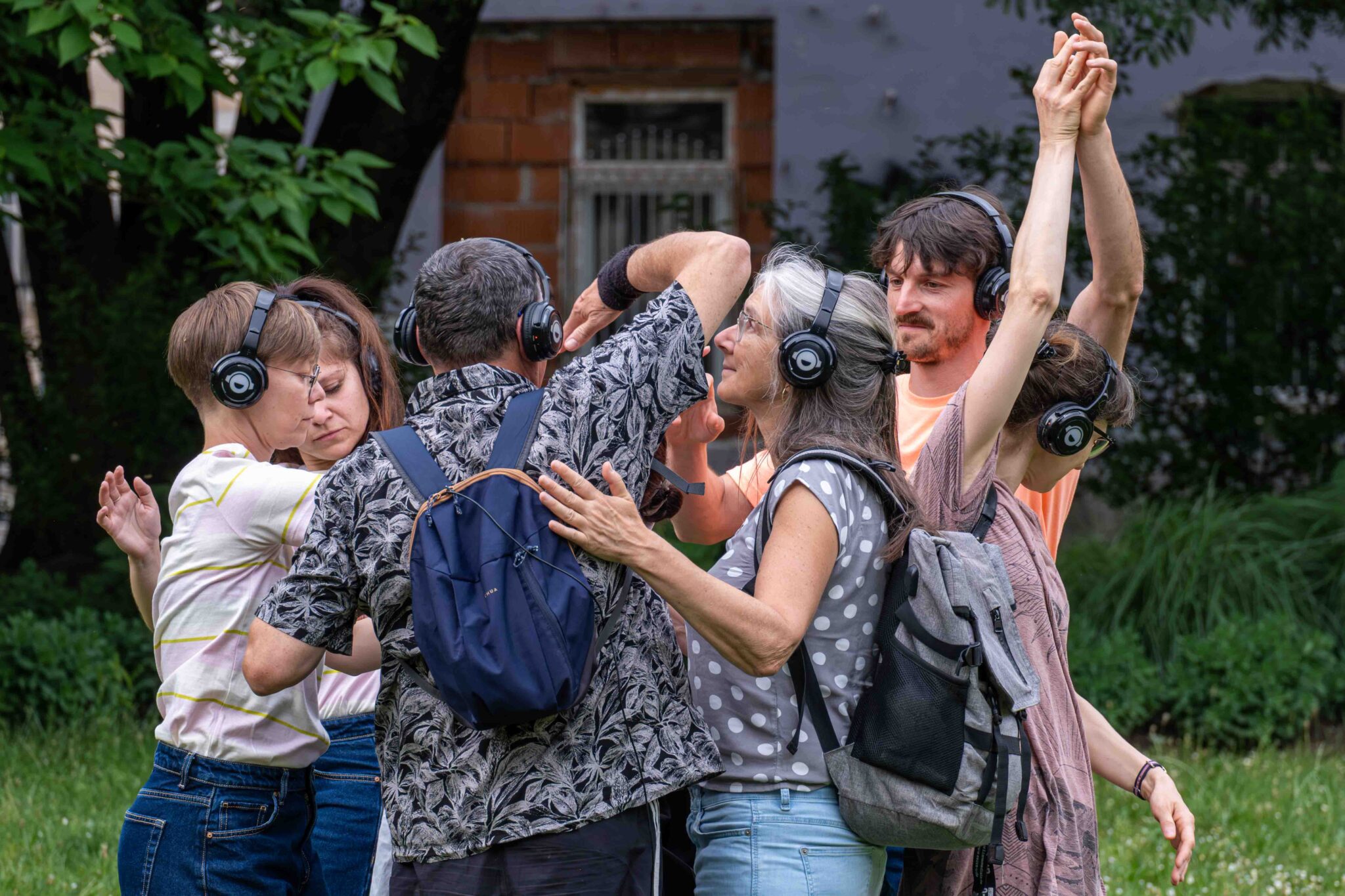
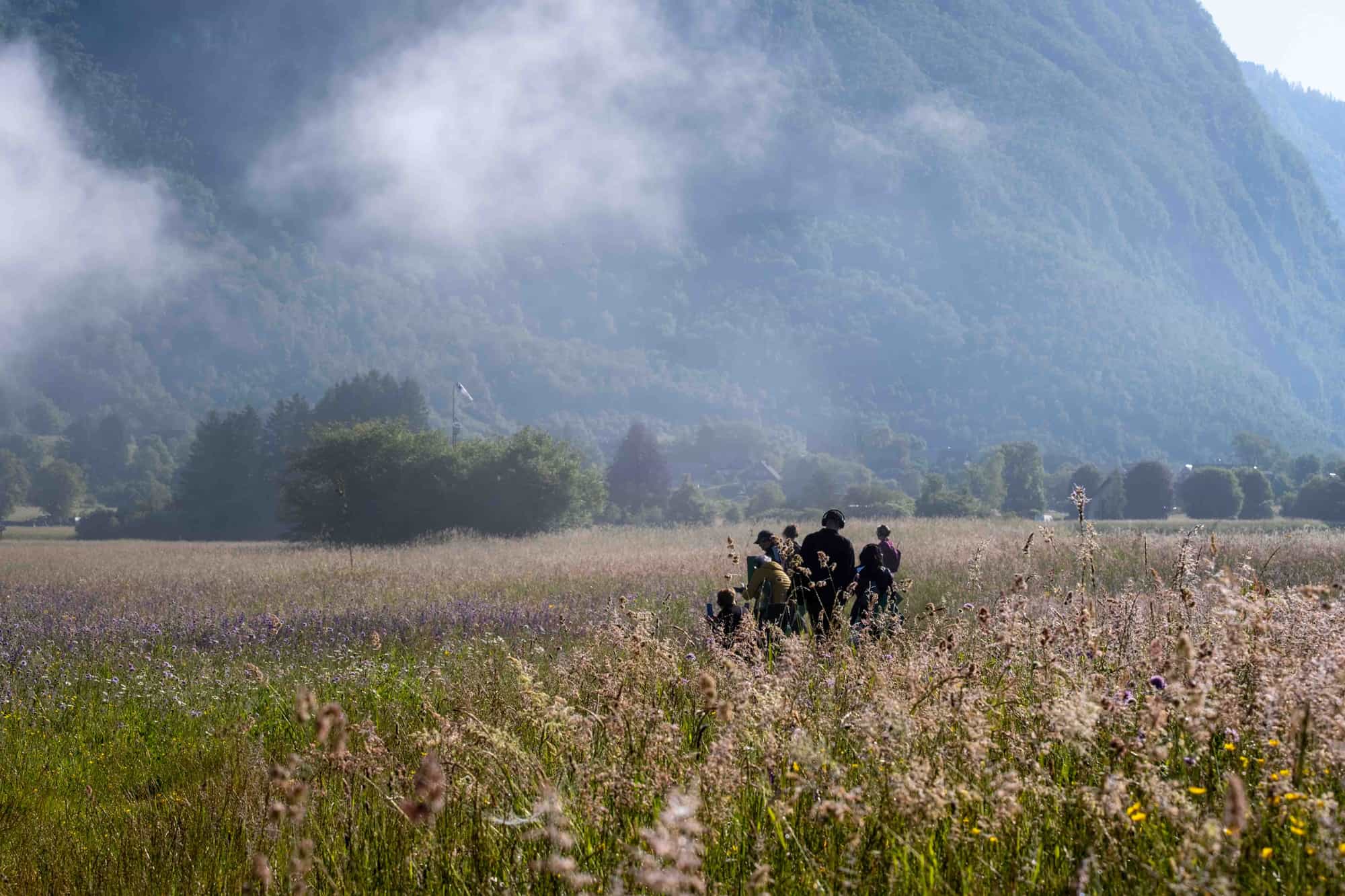
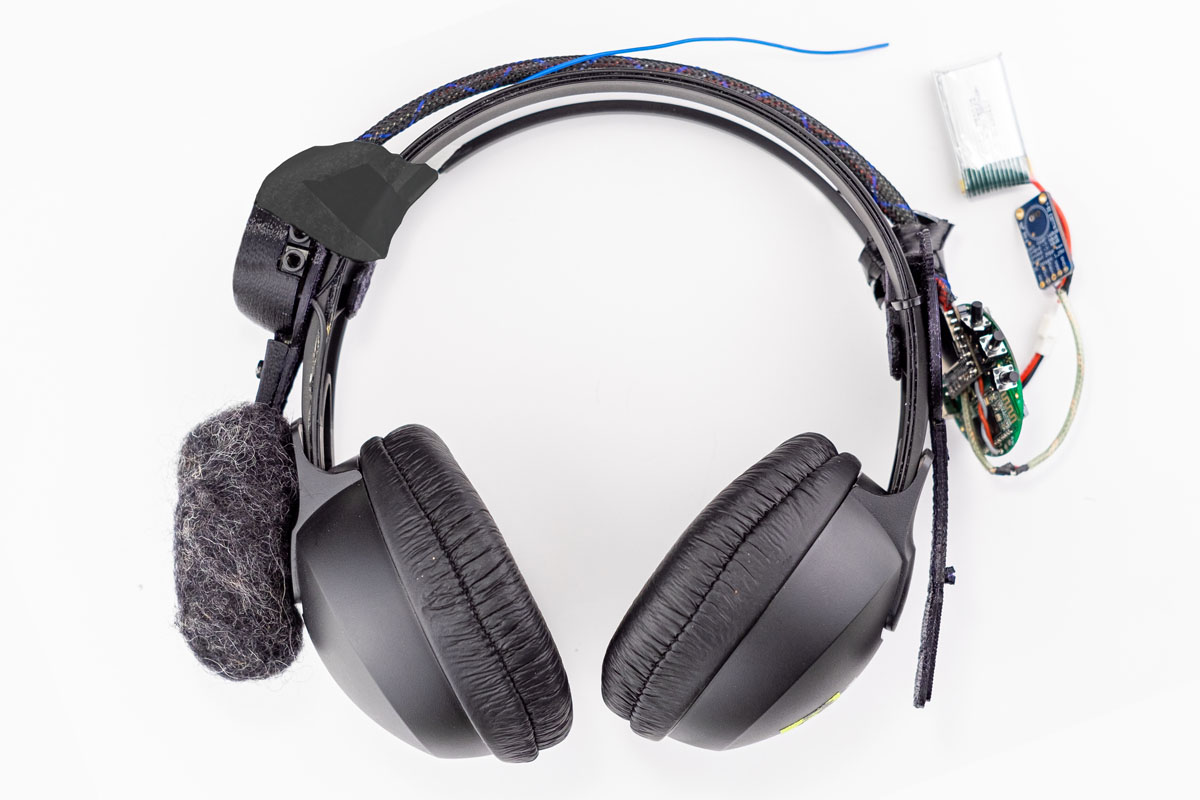
The audience experiences the soundwalk through specially developed headphones used as a tool to speculate the world and the sonic landscape of the future. The world is getting too loud and harmful for our sensitive ears, which have failed to adapt to aggressive frequencies. To survive outdoors, we will need headphones that will both mute and sharpen the sound image and, at the same time, take us into the acoustic narrative.
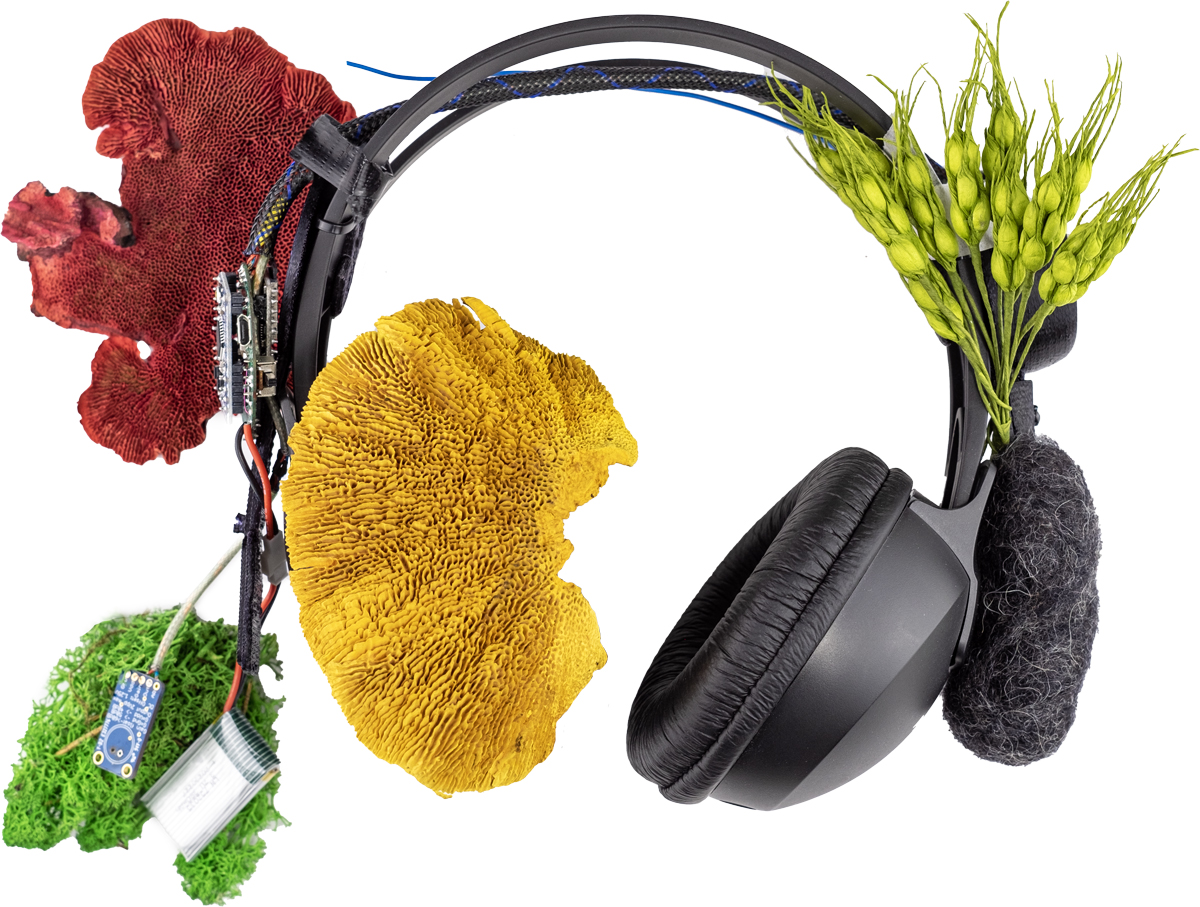
The soundwalk is broadcast on an AR (augmented reality) headset, the result of an innovative in-depth collaboration between the artist and hardware and software developers. The AR headset allows for simultaneous amplified, binaural ambient listening and audio co-composition. They also include an FM receiver module and an EMS sensor input.
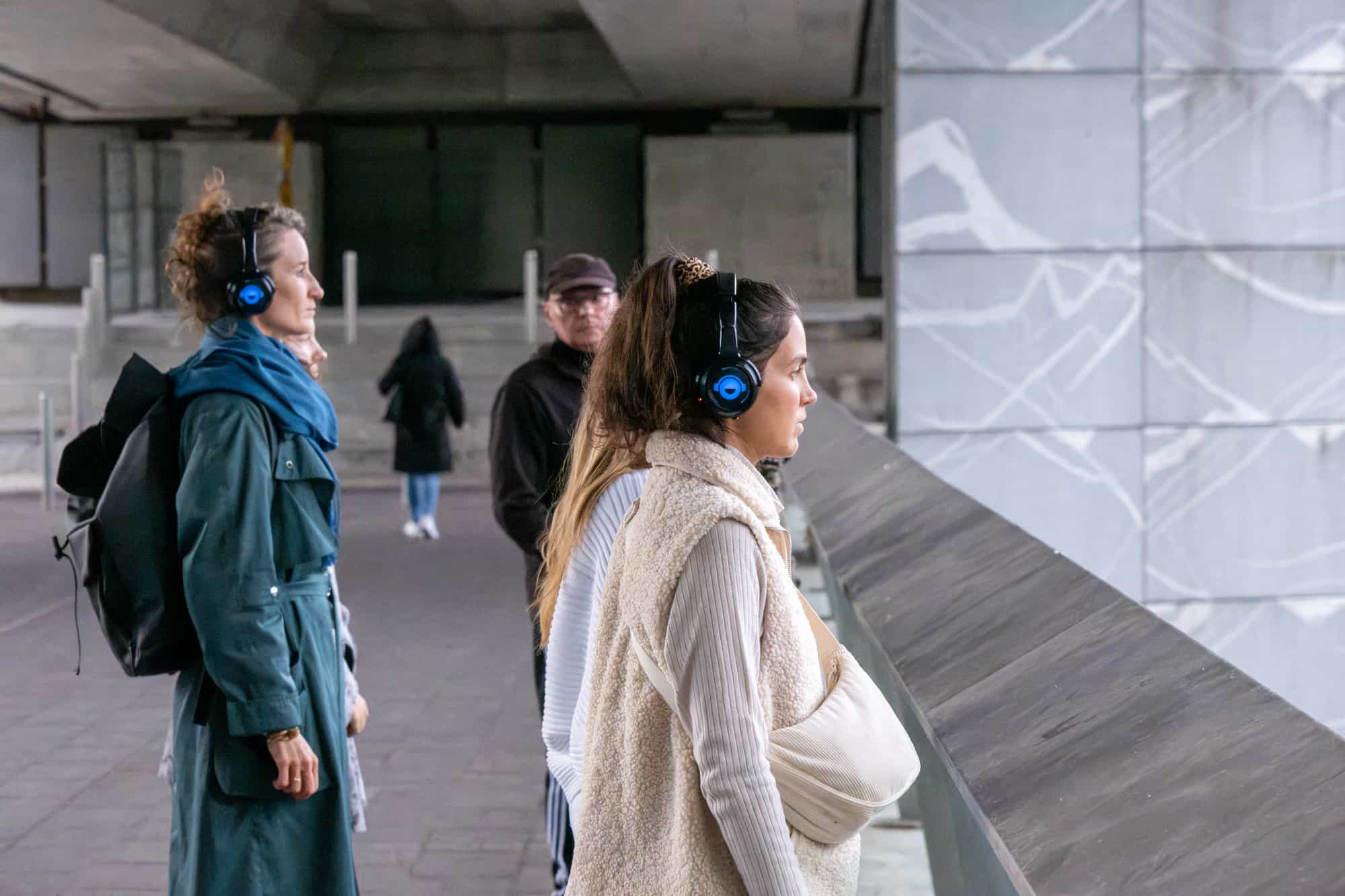
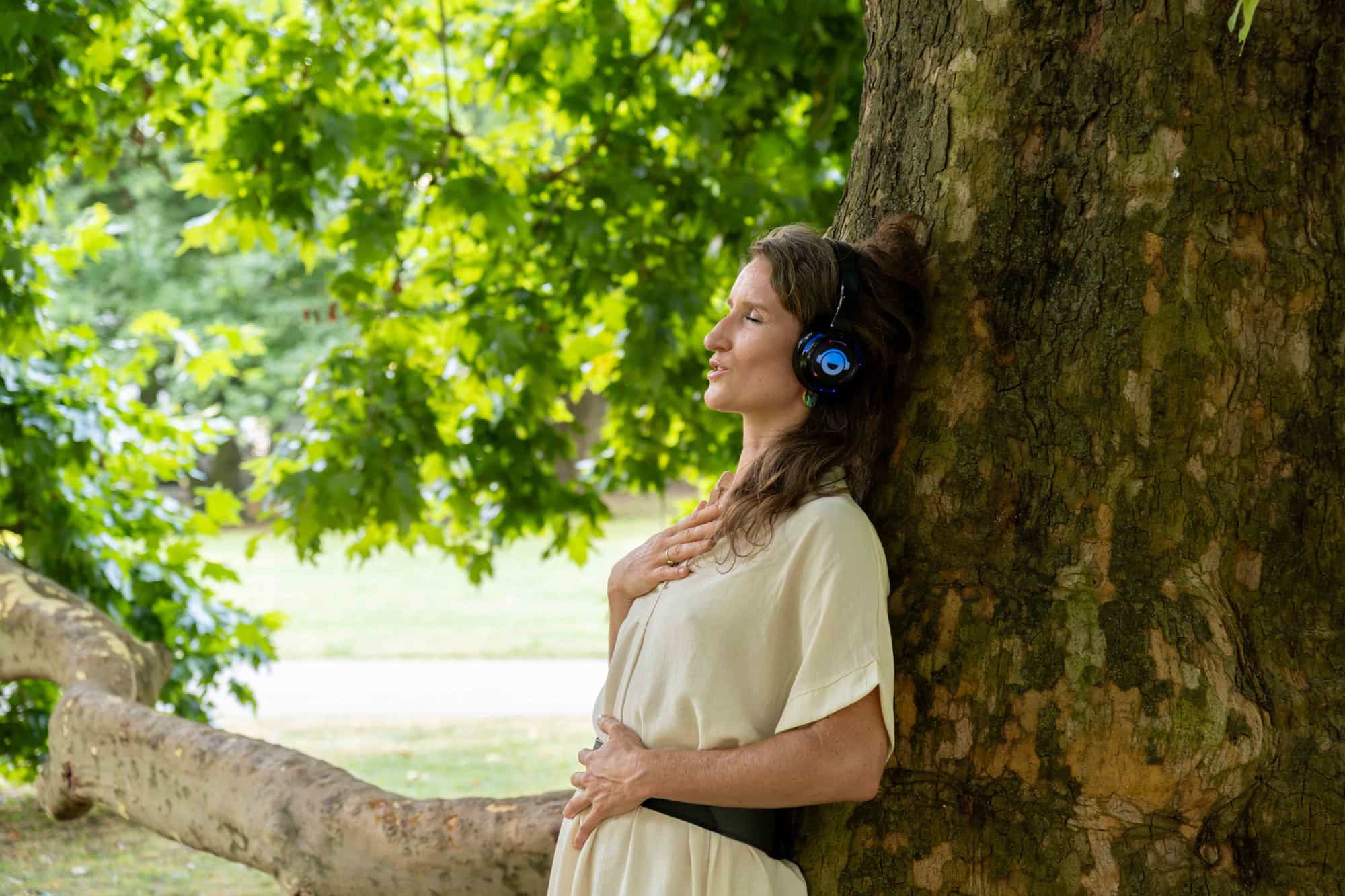
The soundwalk path connects the Orangerie Park in Strasbourg and the Tivoli Park in Ljubljana, both designed during the reign of Napoleon. The featured photograph was taken in a disrupted avenue locked today between a road and a railway. It is part of a larger avenue complex in the Tivoli Park, designed by the French at the time of the Illyrian Provinces. The vocalist, dressed in a Slovene folk costume, wears original AR headphones and listens to the landscape.
A testimony form one of the participants of the AR soundwalk:


Nada Žgank, Matej Tomažin
The speculative story of the soundwalk performance garden GOround points to the problematic relationship between people and plants, which is geared to mainly benefit people. The colonialism itself and the human-mediated dispersal of plants capitalize on the subjection and exploitation of nature. It is vital to radically change this attitude if we want to deal effectively with the existential threat of ecological crisis and contemplate a brighter scenario for the future. To become more familiar with the world of plants, garden GOroundgoes into the temporal dimension. Through the prism of the journeys of these two utterly different temporalities of humans and plants, seemingly offering no possible point of encounter, it speculates on the development of a future solidarity-based coexistence of humans and plants. Plants, the most populous species on the planet, live at their own pace in their own time, walking the paths we cannot access. garden GOround will take us along the paths of a possible future scenario for our overstressed, noisy planet mirrored through the development of local greenways. Can we learn from plants to build a more solidarity-oriented future?
The audience experiences the soundwalk through specially developed headphones used as a tool to speculate the world and the sonic landscape of the future. The world is getting too loud and harmful for our sensitive ears, which have failed to adapt to aggressive frequencies. To survive outdoors, we will need headphones that will both mute and sharpen the sound image and, at the same time, take us into the acoustic narrative.
The soundwalk is broadcast on an AR (augmented reality) headset, the result of an innovative in-depth collaboration between the artist and hardware and software developers. The AR headset allows for simultaneous amplified, binaural ambient listening and audio co-composition. They also include an FM receiver module and an EMS sensor input.
The soundwalk path connects the Orangerie Park in Strasbourg and the Tivoli Park in Ljubljana, both designed during the reign of Napoleon. The featured photograph was taken in a disrupted avenue locked today between a road and a railway. It is part of a larger avenue complex in the Tivoli Park, designed by the French at the time of the Illyrian Provinces. The vocalist, dressed in a Slovene folk costume, wears original AR headphones and listens to the landscape.
A testimony form one of the participants of the AR soundwalk:
Matej Tomažin
The audience experiences the sound work through specially developed author-designed AR headphones, which function as an artistic-technological interface between the listener, the space, and the composition. The headphones are conceived as a speculative tool that reflects on future auditory landscapes and possible modes of orientation within acoustically overloaded environments. They are based on the premise that contemporary sonic space is increasingly shaped by noise, frequency saturation, and aggressive acoustic pressures, as a result of which listening is becoming ever more a matter of perception, protection, and selection.
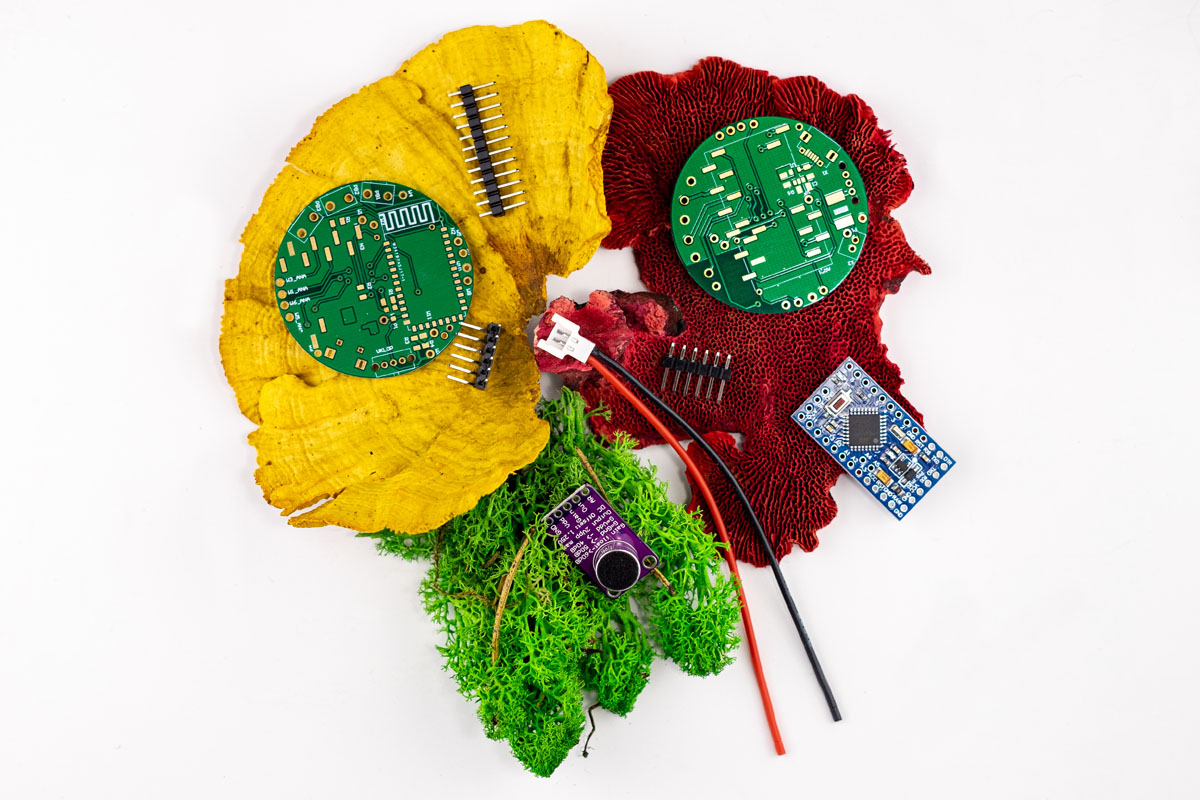
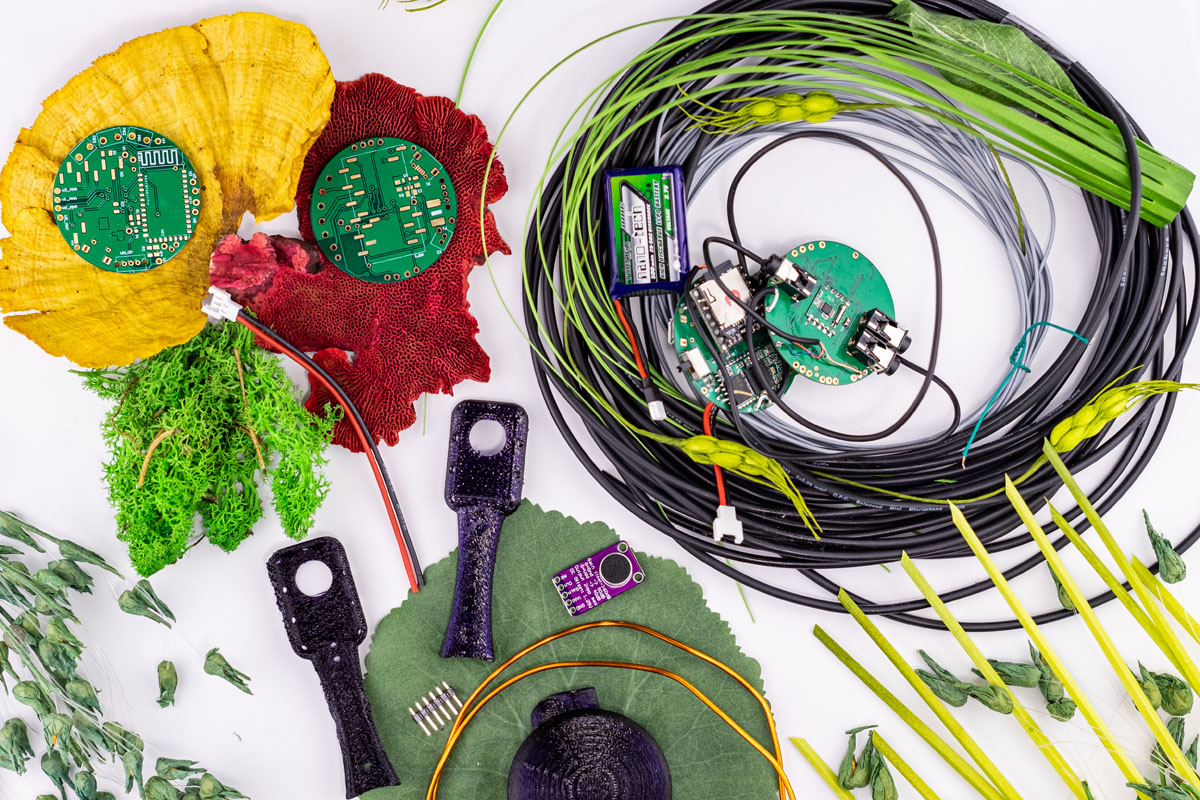
The AR headphones are the result of an in-depth collaboration between the artists and hardware and software developers. Their design enables the simultaneous binaural listening of the immediate surroundings and the playback of a sound composition, thereby creating a layered and dynamic sonic situation in which real acoustic space interweaves with an artificially generated or transmitted sonic narrative. A key feature of the system is that it does not exclude the surrounding environment, but rather acoustically modulates, filters, and accentuates it, so that listening is not separated from space, but remains actively embedded within it.
The headphones include an FM receiver module, which enables the wireless transmission and reception of audio signals, as well as an input for an EMS sensor, through which the system can also be connected to biometric or bodily impulses. The device therefore functions not merely as a playback unit, but as an expanded listening apparatus that combines environmental perception, technological mediation, and compositional layering into a unified listening experience. In this sense, the work addresses not only the future of sound, but also the future of listening as a technologically supported, situated, and selective practice.
An artist and producer. She works in the areas of new media, sound and performance arts. In recent years, she has been focusing her artistic expressions on the preparations of sound-walk performances, co-authored by Brane Zorman, which, by means of transmission tools and sound pictures, through walking and listening establish space anew and reflect social reality.
A composer, sound and radio artist. His work explores the possibilities of processing, presenting, perceiving, understanding, positioning and reinterpreting sound, space and ecology. By employing analogue and digital technologies and techniques, his work traverses the fields of music, multimedia, and visual space, using both sophisticated and simple tools, strategies, methods, and interactive interpretation models, soundscapes, evolving electronic and acoustic sound sculptures.
Sound composition and editing, sensorial headset concept: Brane Zorman
Vocal: Alja Petric
Voices: Lučka Počkaj, Alja Petric, Toni Cahunek (Slovene)Jana Wilcoxen, Alja Petric, Toni Cahunek (English)Nataša Živkovič, Suzana Koncut, Loup Abramovici (French)
Proofreading, English translation: Melita Silič
English editing and proofreading: Jana Wilcoxen
French translation: Anne-Cécile Lamy-Joswiak
French editing: Suzana KoncutPhotography, design: Matej Tomažin
Illustration: Jovana DjukićHardware and software development and testing, android application: Brane Ždralo
PCB printing, electronics assembling: Zdravko Janšovec
Electronics assembling: Ivan Kvasič
3D printing: Cveto Kunešević, 3Dimension
Headphones assembling: Staš VrenkoProduced by CONA, 2023
VITAL creates an innovative ecosystem that respects the environment and, through art, participates in the fight against global warming and air pollution.
VITAL is co-funded by the Creative Europe programme by the three-year “Strasbourg European Capital” Contract and supported by the Ministry of Public Administration of the Republic of Slovenia and the City of Ljubljana, Departmen of Culture.
Text sources:
Gray, Ros and Sheikh, Shela (ed.). “The Wretched Earth: Botanical Conflicts and Artistic Interventions”. Third Text32(2–3).Kunst, Bojana. “Rastlinsko življenje in prostori umetnosti: o nedostopnem in vzajemnem”. Ana Mizerit (ed.). Zasilni izhod [Exhibition catalogue]. Ljubljana: Moderna galerija, 2022.Thorsen, Line Marie (ed.). Moving Plants. Rønnebæksholm, Næstved: Narayana Press, 2017.Sagan, Dorion. “The Human is More than Human: Interspecies Communities and the New “Facts of Life”.” Theorizing the Contemporary. Fieldsights, 18 Nov 2011.Raja, Vicente. “Moving the Green: Plant Behavior in the Human World“. EuropeNow 45, Nov 2021.Sidebottom, Kay. “Education for a More-Than-Human World”. EuropeNow 45, Nov 2021.Marder, Michael. “Resist Like a Plant! On the Vegetal Life of Political Movements“. Peace Studies Journal 5(1), Jan 2012.Brkič, Vanja. “Mestni park Tivoli: Tivolski drevoredi so bili Ljubljančanom od nekdaj v ponos“. Dnevnik, 10 Oct 2015.Strasbourg Park, https://data.strasbourg.eu/explore/dataset/lieux_arbres-remarquables/table/
More about the work and the authors

ACCESSIBILITY
Performance language: Slovenian, English