

About
Cona connects contemporary arts with ecologies and places. The festival, concerts, sound walks, and reflective formats take place both at established partner venues and in parks, gardens, and other outdoor settings, where we foster awareness of respectful engagement with the beings and landscapes that inhabit them. Cona invites audiences into deep listening, sonic inquiry, and a distinctive narrative language.
Cona is a non-governmental organisation working across artistic and support activities that transdisciplinarily brings together music, sound, and performing arts with ecologies and places. Through its work, Cona cultivates the transformative potential of art in relation to the wider ecology of society, while also seeking to understand responsible care for the cultural field and its practitioners.
In the long term, the programme is dedicated to exploring sound, sonority, and music, and to developing listening tactics as an artistic, spatial, and social medium. It is grounded in an approach that brings ecological perspectives and environmental challenges into focus, and reflects on them through artistic practice and led by the position of acoustic ecology as a strategy for attuning to landscapes and for co-existing-with all involved actors, human and more-than-human alike. The programme brings interspecies relations into dialogue with the environment and offers a framework for thinking about ethical care as a creative, artistic practice.
Cona’s programme is recognisable in coherent thematic strands articulated as festivals and cycles (SO.UND.ING Acousmonium, the TO)pot festival, AnimotMUZIK), through the production of sound walks and sound-based exhibitions within the Steklenik project, and through education and publications. We understand these approaches as outgrowing traditional frameworks, learning from other fields as well as from nature and natural environments. We ask what landscapes can teach us, how to understand their dynamics in an inclusive way and to internalise them beyond capitalist and colonial logics, still deeply present in contemporary artistic production. In response, we work to develop new production models that foreground collaboration, process-based work, temporal cycles, openness to uncertainty, and attentive listening to one another.
Program Supporters
The Cona program is supported by the Ministry of Culture of the Republic of Slovenia and the City Municipality of Ljubljana, Department of Culture.


International Projects
International projects are supported by the Creative Europe programme and the Ministry of Public Administration of the Republic of Slovenia.


Selected Projects
Selected projects are supported by the Ministry of Culture of the Republic of Slovenia from the Climate Change Fund of the Ministry of Environment, Climate and Energy of the Republic of Slovenia, as well as by the Republic of Slovenia and the European Union through the European Regional Development Fund.


Selected Productions
Selected productions are supported by Cukrarna, Kino Šiška, the Museum of Architecture and Design, KD Cerknica / Notranjski Regional Park, Cankarjev Dom, the Ministry of Environment, Climate and Energy, and the Environmental Agency of the Republic of Slovenia.


Partners of Selected Productions
International Centre of Graphic Arts (MGLC), Natural History Museum of Slovenia (PMS), Ljubljana Castle, Radio Slovenia’s 3rd Programme – Ars, Arboretum Volčji Potok, Bohinj Tourism, Ljudmila, Slovenian Ornithological Society (DOPPS), Škocjan Lagoon, Loški Museum Škofja Loka, Botanical Garden Ljubljana, Botanical Garden Maribor, Krater, Karter, Maska, Motovila.


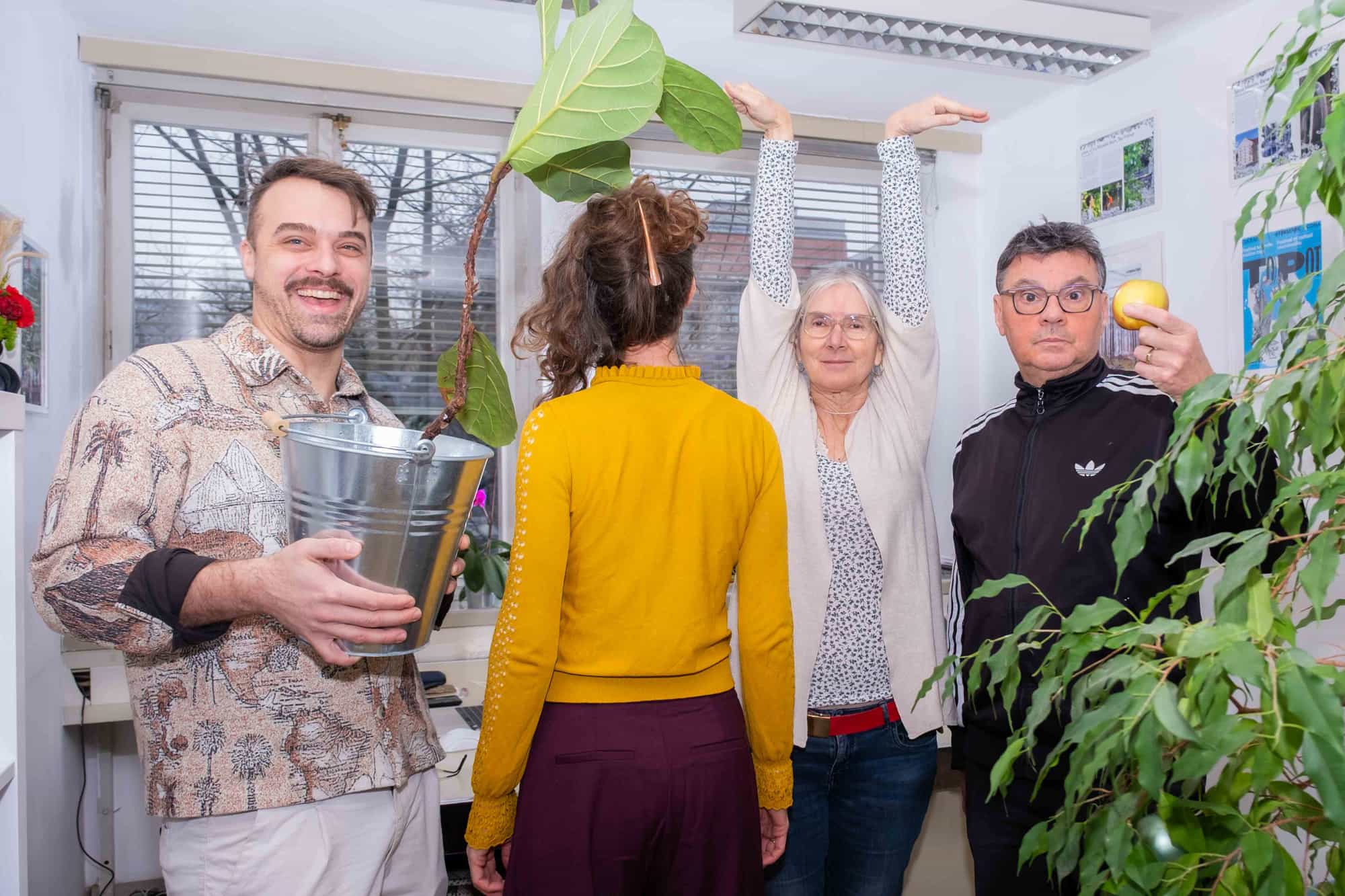
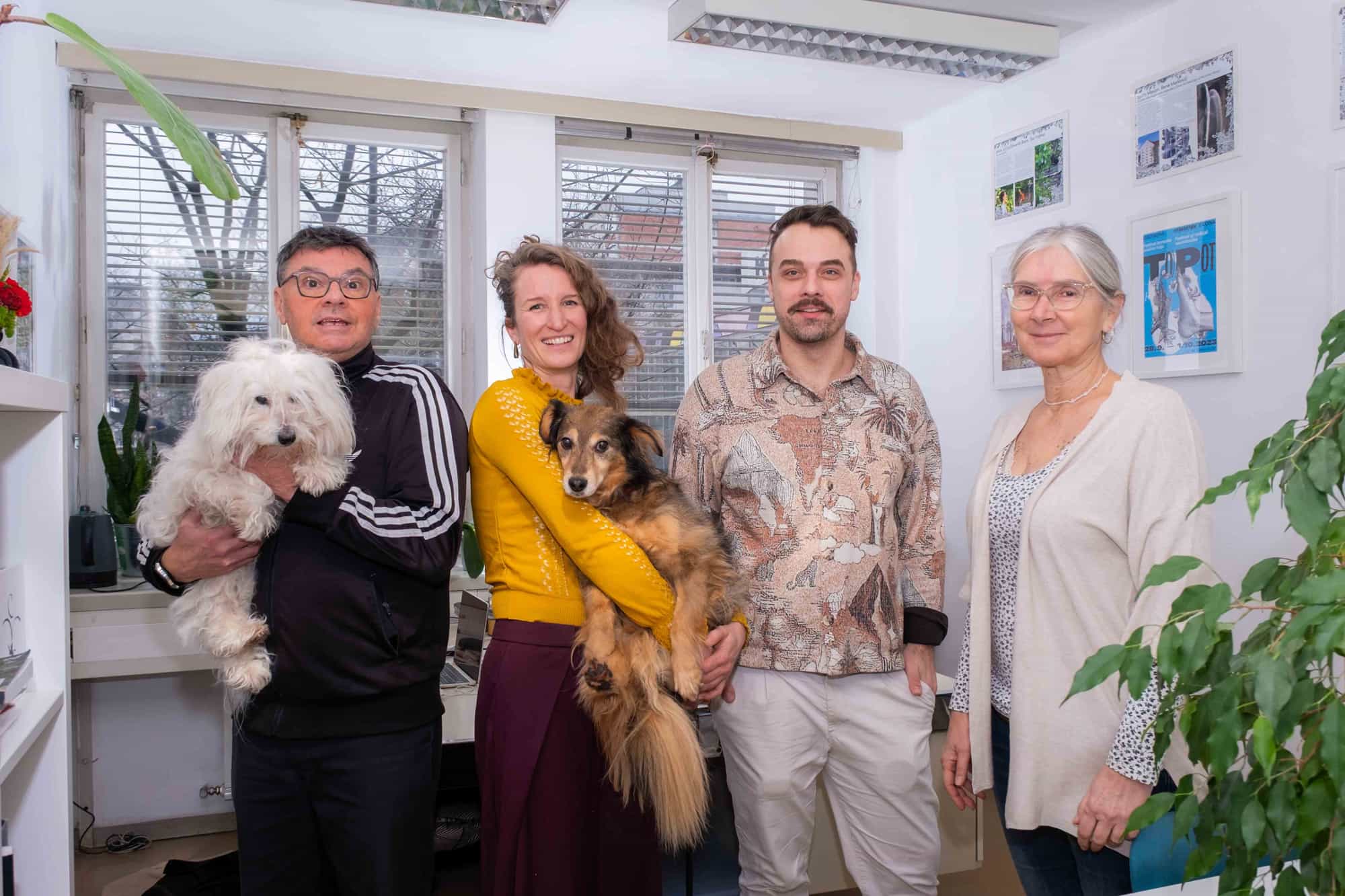
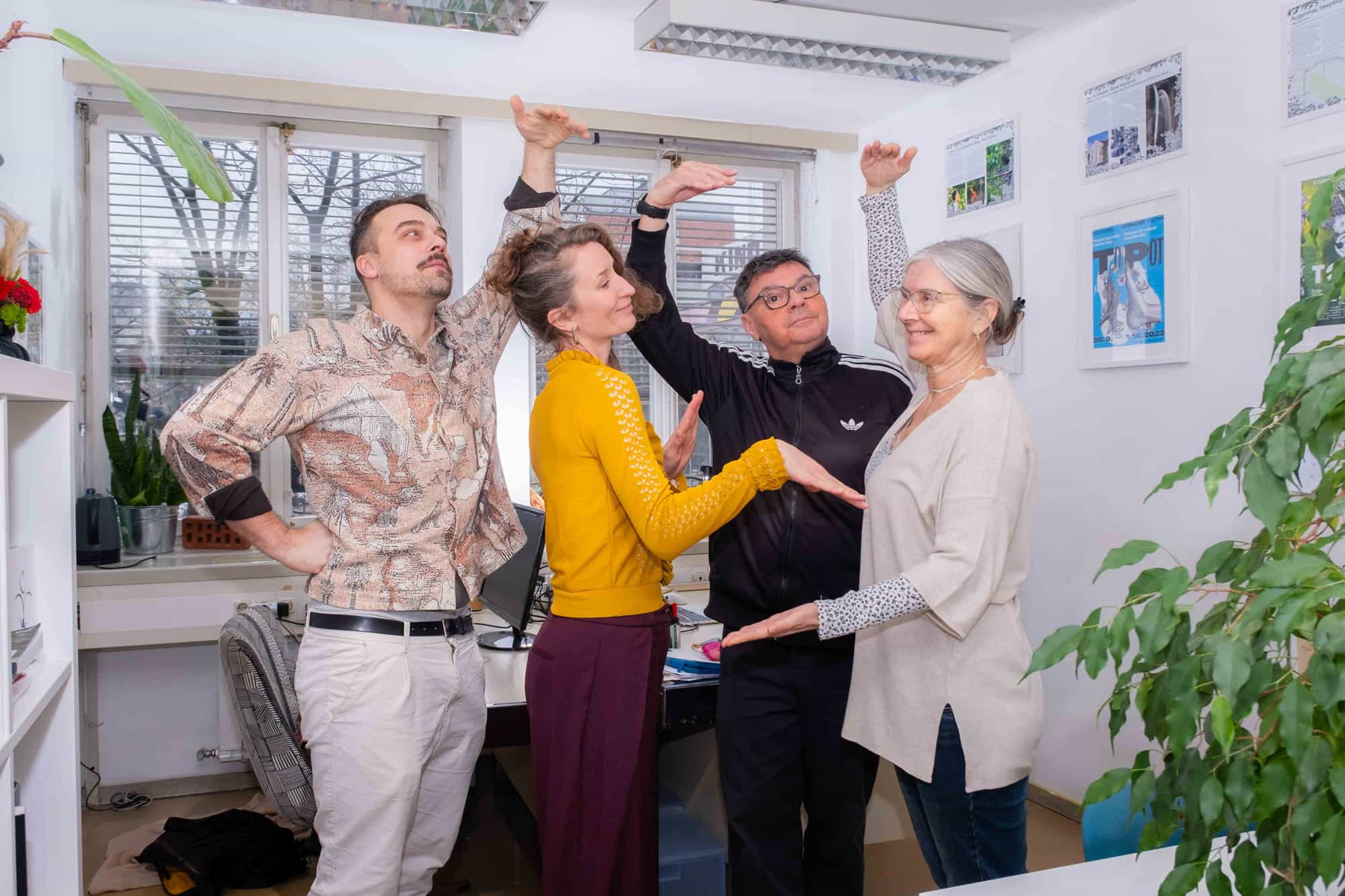
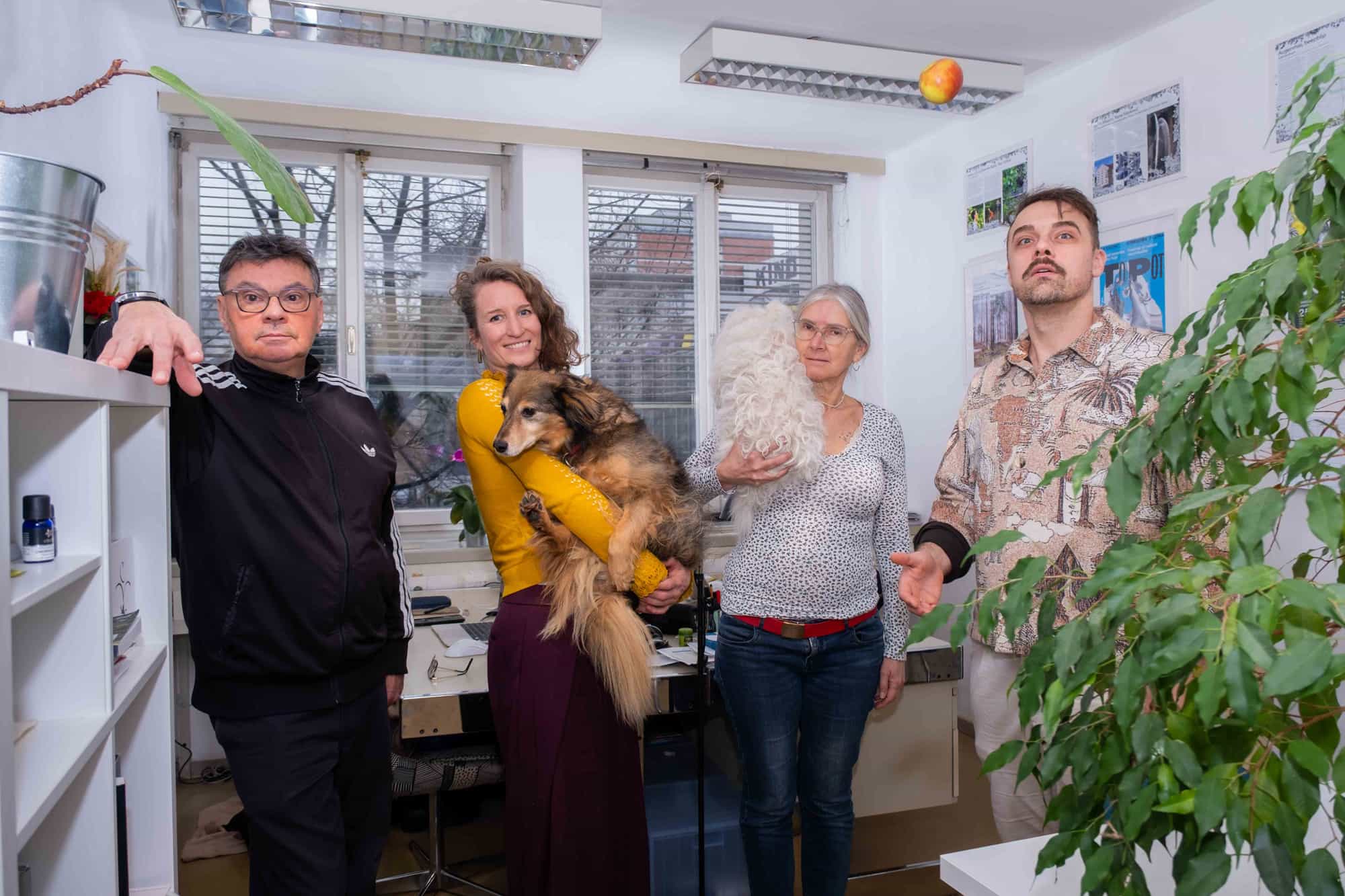
 Matej Tomažin
Brane Zormanartistic navigator and orchestrator of sonic adventuresbrane@cona.si
Irena Pivkaprogramme alchemist and collector of unusual ideasirena@cona.si
Matej Tomažinvisual storyteller and hunter of fleeting perspectivesmatej@cona.si
Alja Petricchaos balancer and stabiliser of fluid processesalja@cona.si
Deva, Pika, and Florelemore-than-human co-guides and well-being facilitators
Cona
zavod za procesiranje sodobne umetnosti
Official registered address: Peričeva ulica 7, 1000 Ljubljana, Slovenia
Office and studio: Trg prekomorskih brigad 1, 1000 Ljubljana, Slovenia
Tax ID: SI44809247
Registration number: 2343398000
Bank account number (IBAN): SI56 6100 0000 5095 660
Bank: Delavska hranilnica d.d., Miklošičeva cesta 5, 1000 Ljubljana, Slovenia
Director: Irena Pivka
Founders
Irena Pivka
Brane Zorman
Even though Cona is a non-profit cultural organisation with a minimal environmental footprint, we are fully aware that our approach, production, and working methods can make a significant contribution to the understanding and implementation of sustainable practices, particularly in the cultural sector. Our green transition is based on two key pillars: raising awareness through art and gradually transforming the organisation internally.
On one hand, we develop and share practices that highlight the importance of sustainability, particularly through sound art and out Festival of radical soundwalks TO)pot that focus on slow, deliberate walking as a means of exploring space. On the other hand, we are gradually changing our production habits, from mobility and food choices to resource and digital practices, with the goal of reducing our environmental impact.
This document outlines our current efforts and outlines the areas where we intend to further develop our environmental responsibility.
Sustainable Development of the TO)pot Festival
In 2024, we joined the national initiative Green Transition in Culture (JR-ZPK-2024-2026), which promotes the introduction of sustainable practices into the cultural sector. As part of this initiative, we are implementing the project Sejalke_ zelena sodelovanja festivala TO)pot (2024–2026), designed to strategically integrate sustainability principles into our Festival of radical soundwalks TO)pot. Through this project, we are introducing more environmentally friendly approaches to event organization and raising awareness among participating artists and our audience about environmental topics. The project continues in 2025 and serves as a foundation for shaping a broader green strategy for our institute. Based on the experience gained, we have prepared a strategic document titled “Green Transition of the TO)pot Festival” (PDF), which defines our long-term goals and measures to reduce the festival’s environmental impact. Among other things, it is based on the results of carbon footprint measurements of the festival in 2024 and 2025.
Key Areas of Sustainable Action
In our green policy, we highlight the key areas in which we will improve our sustainable practices:
Sustainable mobility – promoting the use of public transport, walking, and cycling for reaching our events and business travel.
Responsible food practices – offering locally sourced and predominantly plant-based food at our events, while reducing and properly separating food waste.
Digital sustainability – using digital tools and services efficiently with low energy consumption and responsible data management.
Sustainable use of resources – conserving energy and water, reducing single-use plastics and other non-sustainable materials, reusing and recycling equipment, and proper waste management.
Collaboration for a Green Future
We pursue our green goals in collaboration with the wider community. We work with partners and experts, and we share good practices with other cultural organizations striving for a sustainable transition.
Our Commitments
We see Cona’s green transition as a process of learning, adaptation, and collaboration. As part of the Sejalke project, we will gradually develop our own guidelines suited to our capacities and establish simple yet effective practices to reduce environmental impact. We will monitor key areas primarily through qualitative self-assessment, observations, and the search for meaningful improvements.
We will review this green policy annually and update it as needed, based on practical experience, new knowledge, and dialogue with our partners and collaborators.
What Can You Do?
Visitors and supporters of Cona can also contribute to our green transition. We invite you to help us implement this policy by:
Coming to our events using sustainable transport (walking, cycling, public transport);
Using reusable water bottles;
prevent waste, or separate waste properly if it cannot be avoided.
respecting the natural environment at our outdoor venues.
We believe that small steps by individuals and our collective engagement can lead to meaningful shifts toward a more sustainable cultural future.
Published: May 22, 2025
The video was produced in 2025 as part of the "Creative Europe Stories" series by Motovila Institute (Creative Europe Desk Slovenia). More information at www.ced-slovenia.eu. Attribution-NoDerivatives 4.0 International (CC BY-ND 4.0)